




What's Happening?
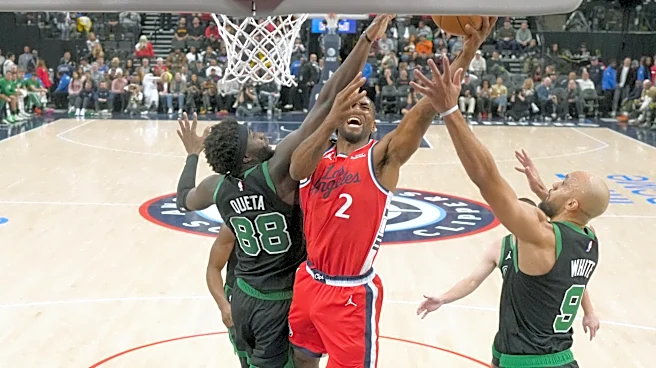
Former Philadelphia 76ers forward Robert Covington has been appointed as the Chief Basketball Officer for Tennessee State University's men's basketball program. Covington, an undrafted player out of Tennessee State, had an 11-year career in the NBA, playing
for teams including the Sixers, Houston Rockets, Minnesota Timberwolves, Portland Trail Blazers, and Los Angeles Clippers. He was recognized for his defensive prowess, earning a spot on the All-Defensive First Team in the 2017-18 season. This new role marks a transition for Covington into a post-playing career, where he will contribute to his alma mater's basketball program.
Why It's Important?
This appointment is significant for both Robert Covington and Tennessee State University. For Covington, it represents a meaningful transition from a successful playing career to a leadership role, allowing him to leverage his extensive NBA experience and knowledge of the game. His journey from an undrafted player to an All-Defensive team member provides a compelling narrative of perseverance and dedication, which can inspire current and future student-athletes. For Tennessee State, bringing an alumnus with NBA credentials into a key leadership position can elevate the men's basketball program's profile, attract talent, and provide invaluable mentorship to young players. Covington's understanding of the professional basketball landscape will be a significant asset in developing players and shaping the program's strategic direction, potentially enhancing its competitiveness and reputation.
What's Next?
As Chief Basketball Officer, Robert Covington will likely begin to implement his vision for the Tennessee State men's basketball program. This could involve working closely with the coaching staff, focusing on player development, recruitment strategies, and overall program management. His role will probably involve mentoring student-athletes, sharing insights from his professional career, and helping them navigate the challenges of collegiate and potentially professional basketball. The university will likely highlight his appointment as a testament to its athletic program's ability to produce successful professionals and attract accomplished alumni back to contribute. The impact of his leadership will be observed in the program's performance, player growth, and overall standing in collegiate basketball.
Beyond the Headlines
Covington's appointment highlights a growing trend of former professional athletes returning to their alma maters in administrative or coaching capacities. This trend offers a unique blend of professional experience and institutional loyalty, which can be highly beneficial for collegiate sports programs. Beyond the immediate impact on the basketball team, Covington's presence could also inspire broader engagement from alumni and the community, fostering a stronger sense of pride and support for Tennessee State University. His story can serve as a powerful example of how education and athletic development can lead to diverse career paths, both on and off the court. This move also underscores the increasing professionalization of collegiate sports, where programs seek to integrate high-level expertise to compete effectively and prepare athletes for future success.