

What's Happening?
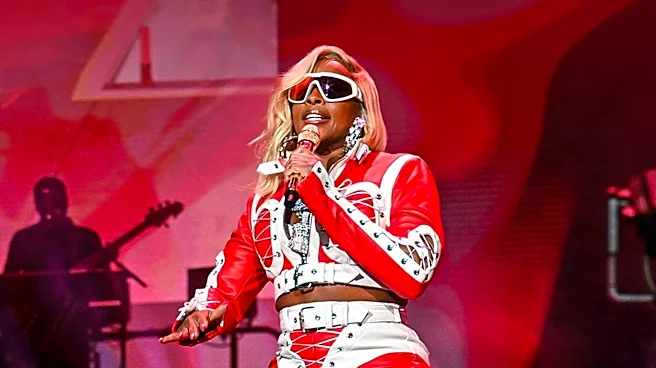
An advertising campaign featuring Mary J. Blige for AI music company Suno has been pulled after Suno discovered that the individual who arranged the deal was not authorized to represent the artist. The ad showed Blige in a recording studio reacting positively
to an AI-generated R&B track, leading many viewers to believe she was endorsing the generative AI service. Entertainment Weekly reported that the clip circulated widely, creating an impression of endorsement. However, Blige did not approve the final campaign and expressed discomfort with it. Suno stated that it entered into a business deal with someone who presented themselves as Blige's official representative and terminated the campaign as soon as it learned of the misrepresentation and Blige's discomfort. The incident sparked backlash even before the authorization issue became public, with critics questioning Blige's apparent endorsement of a technology that remains controversial within the music industry regarding consent, compensation, and the use of artists' identities.
Why It's Important?
This incident highlights significant issues within the rapidly evolving landscape of AI and celebrity endorsements, particularly in the music industry. It underscores the critical importance of verifying representation and consent when engaging with high-profile individuals for promotional campaigns. For artists, it exposes vulnerabilities related to unauthorized representation and the potential misuse of their image and likeness, especially in emerging technological fields like AI music generation. For AI companies like Suno, it emphasizes the reputational risks and legal complexities involved in navigating celebrity partnerships. The backlash generated by the ad, even before the authorization issue was known, reflects broader industry concerns about generative AI's impact on artists' rights, intellectual property, and creative control. This event could prompt stricter protocols for celebrity endorsements and greater scrutiny of third-party representatives in the entertainment sector, as well as fuel ongoing debates about the ethical deployment of AI in creative industries.
What's Next?
The immediate consequence is the termination of the advertising campaign featuring Mary J. Blige by Suno. Blige's representatives have declined further comment, and the identity of the unauthorized representative has not been publicly disclosed. This incident will likely lead to increased scrutiny and more rigorous verification processes for future celebrity endorsement deals, particularly in the AI sector. Suno, already involved in multiple lawsuits regarding copyright and the use of artists' identities, may face further reputational challenges. The broader music industry will continue to grapple with the ethical and legal implications of generative AI, with ongoing discussions and potential legislative actions concerning consent, compensation, and intellectual property rights for artists. This event could also encourage artists to be more proactive in protecting their image and brand in the face of rapidly advancing AI technologies.
Beyond the Headlines
This situation extends beyond a simple advertising mishap, touching upon profound ethical and legal questions surrounding artificial intelligence, intellectual property, and celebrity rights. The unauthorized representation highlights a growing vulnerability for public figures in the digital age, where their likeness and perceived endorsements can be manipulated or misrepresented with significant ease. Ethically, it raises questions about the responsibility of AI companies to ensure legitimate consent, especially when their technology directly impacts artists' livelihoods and creative control. Legally, it underscores the complexities of identity rights and publicity rights in the context of AI-generated content, potentially leading to new legal precedents or stronger protections for artists. Culturally, the incident reflects a broader societal anxiety about the authenticity of digital content and the blurring lines between human creation and machine generation, prompting deeper conversations about the future of art, authorship, and the value of human creativity in an AI-driven world.