




What's Happening?
Goldman Sachs strategist Ben Snider has outlined three critical conditions investors should monitor for a potential stock market bottom and subsequent recovery. These conditions include increased investor confidence in the future earnings trajectory from
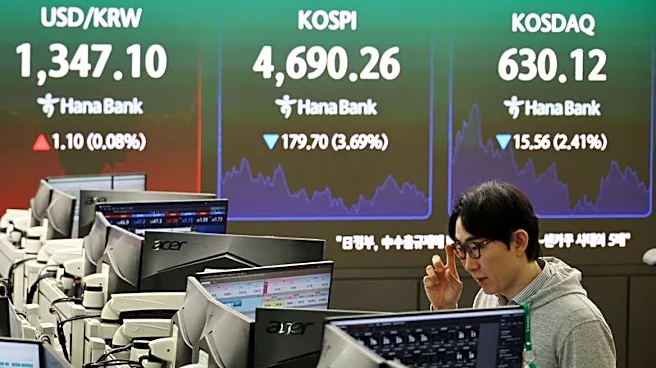
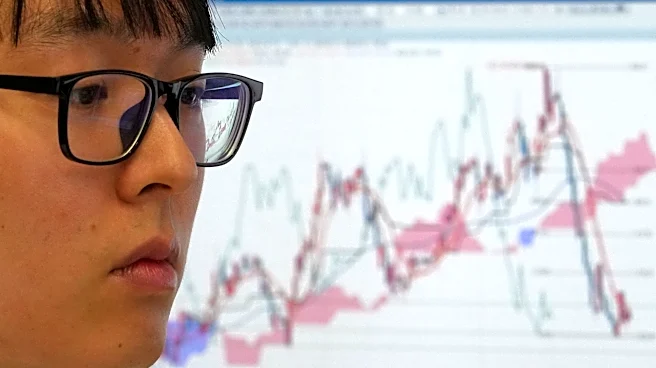
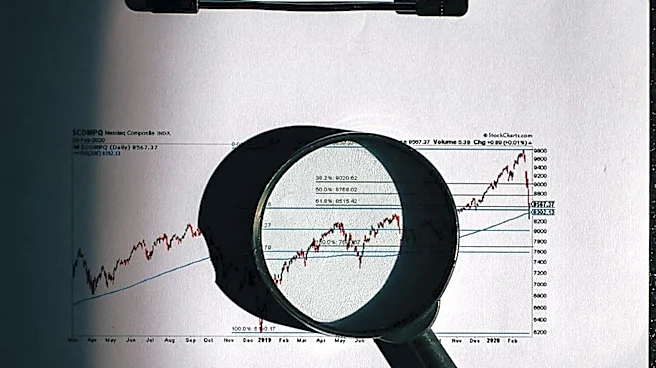
AI investments, an improvement in the macroeconomic environment such as a dovish signal from the Federal Reserve, or a significant decline in investor positioning. Snider's advice comes as the broader market experiences a downturn, with the Nasdaq, S&P 500, and Dow Jones Industrial Average all entering correction territory. The tech-heavy Nasdaq recently fell 5.1%, the S&P 500 plunged 3.7%, and the Dow shed nearly 950 points. Even the initial public offering of AI company Anthropic could not prevent a widespread sell-off, as investors began questioning the profitability of substantial AI infrastructure investments. Stocks outside the technology sector are also being impacted, indicating a broader market reality check.
Why It's Important?
This analysis from Goldman Sachs is crucial for U.S. investors and the broader financial market as it provides a framework for navigating current volatility and identifying potential turning points. The market's recent performance, characterized by significant losses across major indices and a questioning of AI investment profitability, highlights a shift in investor sentiment. Snider's suggested indicators offer a strategic approach for investors to assess when to re-engage with the market, potentially mitigating further losses or capitalizing on future upturns. The widespread nature of the sell-off, extending beyond tech stocks, underscores a systemic concern about market valuations and economic conditions. Understanding these signals can help individual and institutional investors make informed decisions, influencing capital allocation and market stability in the coming months.
What's Next?
Investors are advised to remain cautious and diversify portfolios with defensive assets and companies demonstrating strong buybacks, according to Snider. The market will likely continue to react to developments concerning AI investment profitability, Federal Reserve policy signals, and overall investor positioning. Future market movements will depend on whether any of the three conditions identified by Goldman Sachs materialize. A dovish shift in Fed policy, for instance, could signal a more favorable lending environment, potentially boosting corporate earnings and investor confidence. Conversely, continued uncertainty regarding AI returns or a further decline in investor sentiment could prolong the market correction. Stakeholders will closely monitor economic data, corporate earnings reports, and central bank communications for clues on the market's direction.
Beyond the Headlines
The current market correction and the strategist's insights reveal a deeper re-evaluation of investment paradigms, particularly concerning the rapid growth in artificial intelligence. The initial euphoria surrounding AI investments is now being tempered by questions about tangible returns and sustainable profitability, suggesting a maturation of the AI investment cycle. This shift could lead to a more discerning approach to technology investments, prioritizing companies with clear monetization strategies over speculative growth. Furthermore, the broad market sell-off indicates a potential recalibration of risk appetite among investors, moving away from high-growth, high-risk assets towards more stable, defensive options. This could have long-term implications for capital markets, potentially fostering a more balanced and less speculative investment environment in the U.S.