






What's Happening?
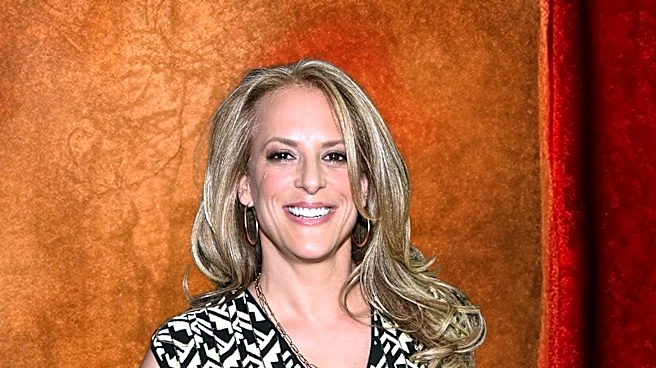
Lilly Wachowski, co-director of The Matrix, is encountering difficulties in securing financing for her new film, The Hunted, which features a predominantly trans cast. During an interview on KCRW's The Business podcast, Wachowski highlighted the industry's
reluctance to fund projects with underrepresented voices, particularly those with a trans focus. The Hunted, a dystopian political thriller with a budget of approximately $10 million, has struggled to find backers despite positive feedback on the script. Wachowski, who co-wrote the script with her partner Mickey Ray Mahoney, expressed the personal significance of the project, describing it as a response to the current societal challenges faced by trans individuals. In light of the funding obstacles, Wachowski has explored alternative methods to present the story, such as a live table read at Los Angeles' Dynasty Typewriter theater.
Why It's Important?
The challenges faced by Wachowski in financing The Hunted underscore broader issues within Hollywood regarding the representation of marginalized communities. The reluctance to invest in films with trans narratives reflects a systemic bias that limits opportunities for diverse storytelling. This situation highlights the ongoing struggle for inclusivity in the entertainment industry, where financial backing often dictates which stories are told. The success or failure of projects like The Hunted could influence future decisions by studios and investors regarding films that center on underrepresented voices. For the trans community, increased visibility in media can foster greater understanding and acceptance, making Wachowski's efforts significant in the broader context of social change.
What's Next?
Wachowski's pursuit of alternative avenues to showcase The Hunted suggests a potential shift in how films with diverse casts and narratives are produced and distributed. As traditional funding routes prove challenging, filmmakers may increasingly turn to independent platforms, live events, and digital releases to reach audiences. The response to Wachowski's table read and any subsequent developments could inform future strategies for filmmakers facing similar obstacles. Additionally, the industry's reaction to these efforts may prompt discussions about the need for more inclusive financing practices and the importance of supporting diverse voices in storytelling.