



What's Happening?
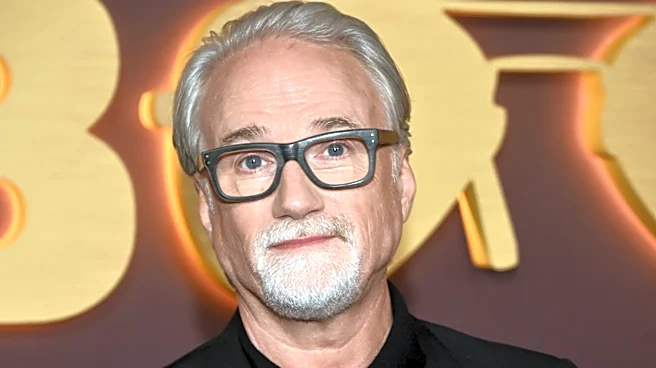
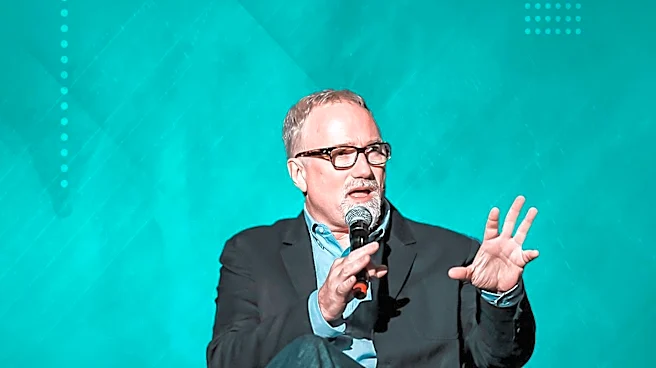
Filmmaker David Fincher held discussions with Kathleen Kennedy about a potential Star Wars movie and the possibility of taking Lucasfilm public prior to its acquisition by Disney. According to Star Wars News Net, these conversations occurred early in Kennedy's
tenure as Lucasfilm's leader, when George Lucas was preparing for retirement and the company was seeking a buyer. Fincher proposed the idea of taking Lucasfilm to Wall Street. He also pitched a Star Wars film concept that would explore the original trilogy's events from the perspective of C-3PO and R2-D2, viewing them as 'slaves who would bear witness to the folly of man,' as reported by Jedi News. Fincher, who began his career as an assistant director on 'Return of the Jedi,' later had further discussions about directing a Star Wars film after the Disney purchase but ultimately did not proceed due to his contractual demand for final cut. No David Fincher-directed Star Wars movie is currently in development at Lucasfilm.
Why It's Important?
This revelation offers insight into the strategic considerations and creative directions Lucasfilm explored before its monumental sale to Disney. Fincher's suggestion of a public offering highlights an alternative path the company could have taken, potentially altering the landscape of major film studio ownership and content control. The discussions also underscore the creative vision George Lucas had for the future of Lucasfilm, entrusting Kennedy with leadership during a pivotal transition. Fincher's proposed film concept, focusing on the droids' perspective, represents a unique narrative approach that could have offered a darker, more philosophical take on the Star Wars saga, diverging from the direction the franchise ultimately took under Disney. This glimpse into pre-acquisition negotiations reveals the complex interplay of business strategy and creative ambition at the highest levels of Hollywood.
What's Next?
While no David Fincher-directed Star Wars project is currently in development, the disclosure of these past discussions could reignite interest among fans and industry observers in alternative creative directions for the franchise. The ongoing evolution of the Star Wars universe under Disney continues to be a subject of public and critical scrutiny, and Fincher's previously unfulfilled vision might serve as a point of comparison for future projects. The broader context of corporate consolidation in Hollywood, which Fincher himself commented on, remains a significant trend. Future developments in the entertainment industry may see more independent filmmakers like Fincher engaging in similar high-level discussions with major studios, potentially leading to new creative partnerships or further consolidation as companies seek to adapt to changing market dynamics and audience preferences.
Beyond the Headlines
Fincher's perspective on corporate consolidation in Hollywood, where he noted a 'horrible constricting of the business,' points to a larger industry trend impacting creative freedom and diverse storytelling. His concern about protecting the 'individual voice' in cinema, especially in a mass market dominated by large corporations, raises critical questions about the future of filmmaking. The idea of exploring the Star Wars narrative through the eyes of C-3PO and R2-D2 as 'slaves' offers a profound ethical and philosophical lens on the saga, potentially transforming it into a commentary on power, servitude, and the human condition. This approach could have pushed the franchise into more mature and thought-provoking territory, challenging conventional interpretations of its heroes and villains. The unmade film serves as a hypothetical example of how different creative leadership could steer established intellectual properties toward vastly different thematic explorations.