




What's Happening?
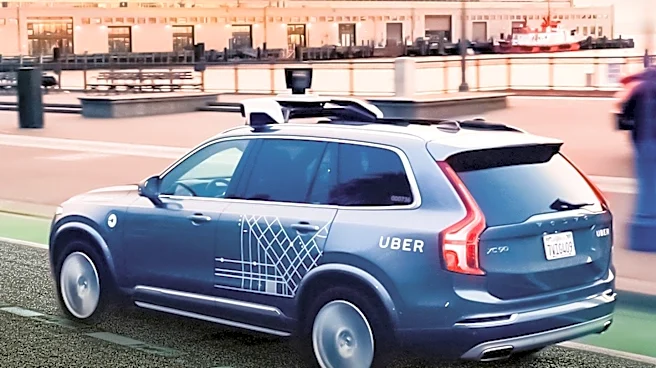
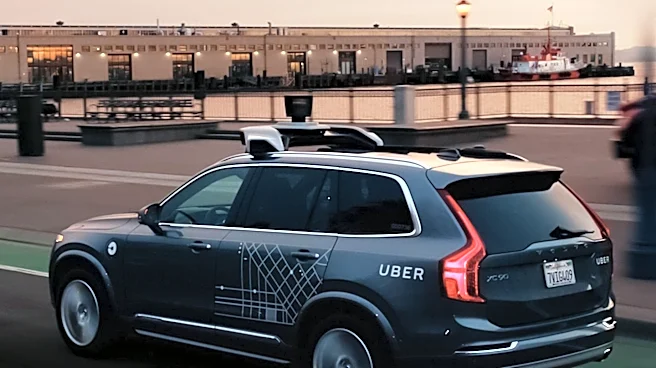
Lucid, in collaboration with Uber and self-driving technology company Nuro, has commenced driverless testing of its Gravity SUVs in the San Francisco Bay Area. This marks a significant step towards the commercial launch of these robotaxis, which are expected
to offer rides through the Uber app in the first quarter of 2027. The initial phase of on-road driverless testing is taking place in Palo Alto, Mountain View, Los Altos, and Sunnyvale, with plans to expand to more Bay Area cities next year. A fleet of over 100 modified Gravity SUVs, equipped with Nuro’s autonomous driving system, high-resolution cameras, lidar, and radar sensors, are part of this testing phase. Previously, these vehicles had been testing on public roads in San Francisco and Houston since January, but with human safety operators present. The removal of human supervisors signifies a major advancement in their development.
Why It's Important?
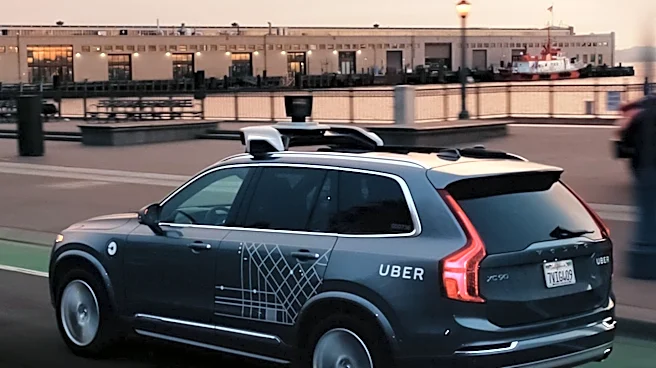
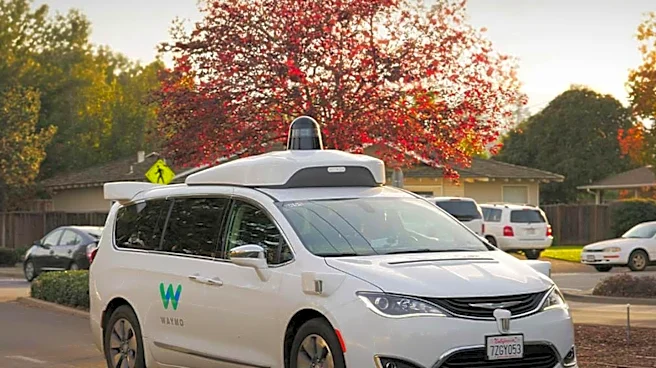
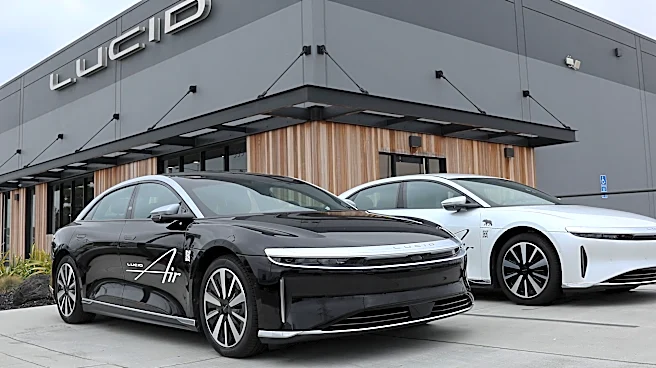
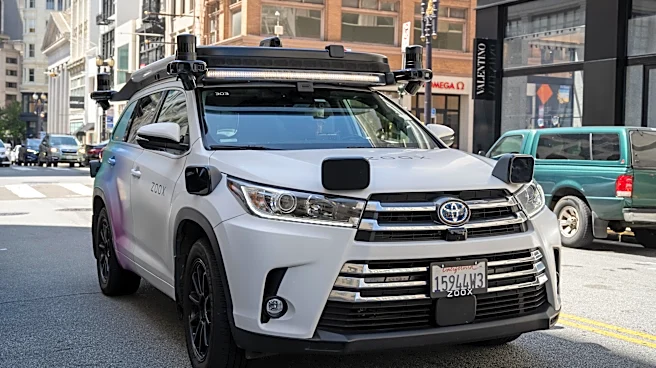
This development is crucial for Lucid as the luxury automaker seeks to diversify its revenue streams and scale up vehicle sales beyond its Air and Gravity passenger models. The company has invested heavily and is now targeting the burgeoning robotaxi market, with plans to deploy tens of thousands of robotaxis in the U.S. and Europe. For Uber, this initiative reinforces its strategy to become a leading platform for driverless vehicles, integrating autonomous services from various providers. The Gravity robotaxis boast competitive advantages, including a long range of up to 450 miles and fast charging capabilities, which could lead to higher utilization rates and increased profitability. The success of this venture could position Lucid, Uber, and Nuro alongside established players like Waymo and Zoox in the U.S. driverless ride-hailing market, offering consumers more options for autonomous transportation.
What's Next?
The current driverless testing phase in the San Francisco Bay Area will continue, with plans to expand to additional cities in the region next year. The primary goal is to refine the autonomous driving system and ensure safety and reliability before the commercial launch. Paid rides for the public through the Uber app are anticipated to begin in the first quarter of 2027. Lucid also plans to introduce a robotaxi version of its upcoming midsize platform, further expanding its presence in the autonomous vehicle sector. The companies will need to address regulatory approvals and public acceptance as they scale up their operations. Maintaining a high utilization rate will be critical for Lucid to recoup the significant investment in these vehicles, especially given the Gravity's premium starting price for the passenger version.
Beyond the Headlines
The entry of Lucid into the robotaxi market, in partnership with Uber and Nuro, highlights a broader industry trend towards autonomous mobility as a service. This collaboration could accelerate the adoption of electric, self-driving vehicles, potentially transforming urban transportation by reducing traffic congestion, lowering emissions, and increasing accessibility. However, it also raises questions about the long-term impact on traditional ride-sharing drivers and the labor market. The integration of various autonomous vehicle providers onto a single platform like Uber could create a more competitive and efficient ecosystem, but also poses challenges related to data privacy, cybersecurity, and liability in the event of accidents. The success of these driverless operations will depend not only on technological advancements but also on public trust and robust regulatory frameworks.