
What's Happening?
Hermès reported a mixed third quarter, with sales increasing by 4% at constant exchange rates to €4.1 billion, slightly below analyst expectations of 5.2%. Despite this, the luxury brand demonstrated robust
financial health, with its operating margin holding steady at 41.0%, a slight decrease from 41.4% a year earlier, even after currency fluctuations reduced revenue by over €360 million. The company's gross margin also rose to 71.1% from 70.7% in the first half of the year, attributed to tight inventory management and strong sell-through. Leather goods and saddlery were the primary drivers of growth, with sales in this category increasing by 10.8% to €1.91 billion, outpacing the 10% growth seen in the first half. In contrast, ready-to-wear and accessories sales declined by 2%, and perfume, beauty, and watches also saw decreases. Hermès reaffirmed its full-year outlook, citing its resilience despite the deteriorating macroeconomic and geopolitical environment.
Why It's Important?
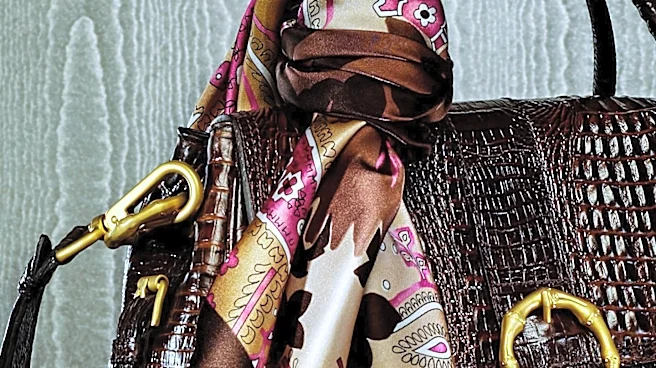
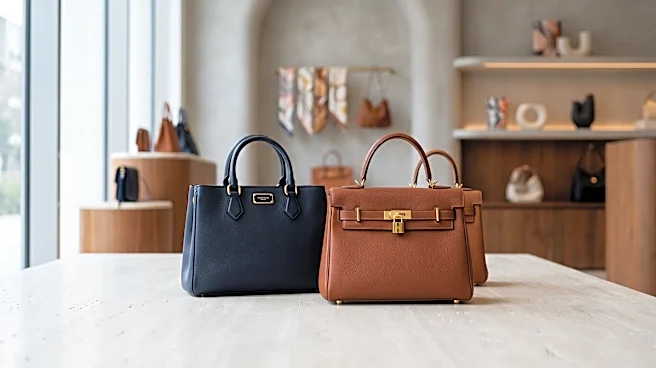
Hermès' ability to maintain high operating and gross margins, even as other luxury brands face difficulties, underscores its unique position and pricing power in the high-end market. The continued strong demand for its leather goods, particularly iconic items like the Birkin and Kelly bags, highlights the brand's enduring appeal to affluent consumers who appear undeterred by price increases or broader economic uncertainties. This performance contrasts sharply with competitors like Kering's Gucci, which has experienced twelve consecutive quarters of sales declines. Hermès' success in navigating currency headwinds and a challenging global environment suggests a strong brand equity and a loyal customer base, making it a benchmark for resilience in the luxury sector. Its financial stability also indicates a potential safe haven for investors seeking consistent returns in volatile markets.
What's Next?
Hermès management anticipates that next year's price increases will be slightly smaller than those implemented this year. The company's full-year report, expected in February, will provide further insights into its financial performance and the sustainability of its margins. Investors and market analysts will closely monitor this report for indications of continued strength in leather goods and any potential recovery in other categories like ready-to-wear and accessories. The brand's strategy of maintaining tight inventory and focusing on high-demand, high-margin products is likely to continue. Hermès' ability to uphold its full-year outlook despite global economic and geopolitical challenges suggests a cautious but confident approach to the future, with a continued emphasis on preserving its exclusive brand image and profitability.
Beyond the Headlines
Hermès' sustained success in a challenging economic climate points to a broader trend in the luxury market where ultra-high-net-worth individuals remain largely insulated from economic downturns. The brand's strategy of creating scarcity and maintaining long waitlists for its most coveted products, such as the Birkin and Kelly bags, not only drives demand but also reinforces their status as investment pieces. This approach cultivates an aura of exclusivity and desirability that transcends typical consumer purchasing patterns. The resilience of Hermès' margins, even with slower top-line growth, highlights the effectiveness of its business model, which prioritizes profitability and brand integrity over rapid expansion. This could lead other luxury brands to re-evaluate their strategies, potentially shifting towards more controlled production and a greater emphasis on core, high-value products to emulate Hermès' success.