





What's Happening?
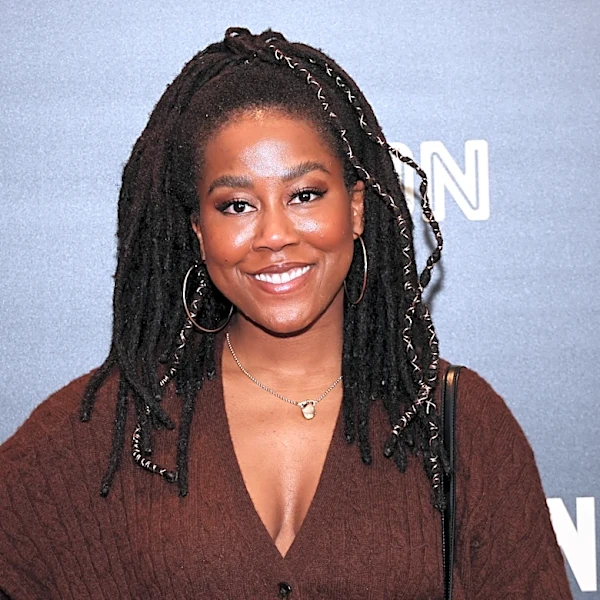
Kelly Clarkson, the Grammy-winning singer, recently shared her perspective on artificial intelligence (AI) in the music industry during an appearance on the 'Las Culturistas' podcast. Clarkson stated she is 'obsessed' with AI and finds its artistic applications
'really cool and creative.' However, she also voiced concerns about AI-generated artists competing with human artists on music charts. She suggested that there should be a separate chart for AI artists, likening the current situation to robots competing with humans in the Olympics. Clarkson emphasized that while AI isn't going away and can be fun to watch, its use should not come at the expense of human achievement or replace human artists. Her comments have generated significant discussion and some criticism online, with some social media users noting her focus on how AI might affect established artists.
Why It's Important?
Clarkson's comments highlight a growing tension within the entertainment industry regarding the role of AI. Her stance reflects a common sentiment among artists and creators who acknowledge the technological advancements of AI but fear its potential to devalue human creativity and labor. The call for separate charts for AI-generated music could set a precedent for how various creative industries categorize and regulate AI output, potentially influencing intellectual property laws and compensation models for artists. This debate is crucial for the future of the music industry, as it grapples with balancing innovation with the protection of human artistry. The discussion also touches upon broader societal implications of AI, particularly concerning job displacement and the definition of 'art' in an increasingly automated world.
What's Next?
The ongoing debate surrounding AI's role in creative fields is likely to intensify as the technology advances. Discussions about regulation and ethical guidelines for AI in music and other arts are expected to continue among industry stakeholders, policymakers, and artist unions. It is possible that calls for separate categorization or labeling of AI-generated content, similar to Clarkson's suggestion, could gain traction. This could lead to new industry standards or even legislative efforts to differentiate between human and AI creations. The music industry may also explore new business models that integrate AI tools while still ensuring fair compensation and recognition for human artists. The reactions to Clarkson's comments indicate that public opinion on this matter is divided, suggesting a complex path forward for AI integration.
Beyond the Headlines
The conversation initiated by Kelly Clarkson extends beyond the immediate concerns of the music charts, touching upon fundamental questions about creativity, authenticity, and the future of human endeavor in an AI-driven world. The ethical implications of AI's ability to mimic and potentially surpass human artistic output raise philosophical questions about what constitutes art and who deserves credit and compensation. This debate could lead to a re-evaluation of intellectual property rights in the digital age, particularly concerning AI-generated content. Furthermore, the discussion highlights a broader societal anxiety about technological progress and its impact on human identity and purpose. As AI becomes more sophisticated, society will need to confront how to integrate these powerful tools without diminishing the value of human creativity and the unique contributions of individual artists.