


What's Happening?
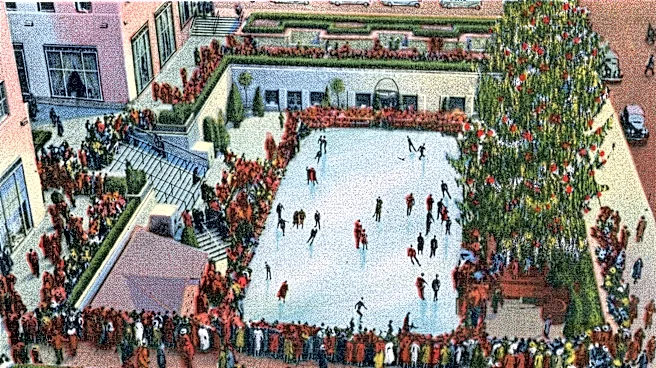
The Rockefeller Center ice skating rink in New York City is celebrating its 90th anniversary this December, marking nine decades since its opening on Christmas Day 1936. To commemorate this milestone, Rockefeller Center has launched a campaign titled
'90 Years of Winter Tradition,' honoring the numerous New Yorkers and visitors who have skated beneath the gilded Prometheus statue over the years. The rink, which attracts over a quarter of a million skaters annually, began almost by accident. The sunken plaza was initially designed to draw shoppers to lower-level stores, but when this proved ineffective, developers in 1936 decided to install an ice skating rink. This idea was an immediate success, leading to its continuous operation every year since. E.B. Kelly, the managing director and head of Rockefeller Center at Tishman Speyer, the company that owns the complex, emphasizes the emotional connection people have with the venue, describing it as a place where 'magic and memories' are created. The rink has also hosted various other events, including tennis, soccer, fashion shows, and roller skating during warmer months.
Why It's Important?
The 90th anniversary of the Rockefeller Center ice skating rink highlights its enduring cultural and economic significance to New York City and the broader U.S. tourism industry. As a beloved landmark, the rink serves as a major draw for both local residents and international tourists, contributing significantly to the city's winter economy through increased foot traffic for surrounding businesses, restaurants, and shops. Its continued popularity, even after nine decades, underscores the value of traditional attractions in an evolving urban landscape. The '90 Years of Winter Tradition' campaign not only celebrates its history but also reinforces its status as a quintessential New York experience, potentially boosting tourism and local spending during the holiday season. The rink's ability to adapt and innovate, such as implementing timed tickets and renovating facilities, ensures its relevance and accessibility for future generations, demonstrating a successful model for maintaining historical landmarks as vibrant community and commercial hubs.
What's Next?
Rockefeller Center is introducing several enhancements to the ice skating experience. This season features a new Skate House at ice level, which includes a heated VIP lounge, offering a more comfortable and exclusive experience for visitors. Additionally, the returning Holiday Chalets will provide private rinkside booths for small groups, catering to those seeking a more intimate setting. Chef Greg Baxtrom of 5 Acres Restaurant and Bar will oversee the menus, which will include gourmet treats such as truffle prime rib sandwiches and s’mores, further elevating the culinary offerings available to skaters and spectators. These improvements aim to enhance visitor experience and maintain the rink's appeal for its next 90 years. The focus on convenience, comfort, and premium amenities suggests a strategy to continue attracting a diverse range of visitors, from casual skaters to those seeking a luxury experience, ensuring the rink remains a central part of New York City's winter traditions.
Beyond the Headlines
The Rockefeller Center ice skating rink's journey from an accidental attraction to a 90-year-old institution reflects broader themes of urban development, cultural preservation, and the power of public spaces. Its origin story—a solution to a commercial problem—illustrates how innovative thinking can transform underutilized areas into iconic landmarks. The rink's resilience, particularly its operation during the COVID-19 pandemic, underscores the importance of maintaining traditions and providing spaces for joy and community, even in challenging times. The emotional connection people feel to the rink, as noted by E.B. Kelly, speaks to the human need for shared experiences and nostalgic touchstones in a rapidly changing world. This landmark's continued success also highlights the economic benefits of investing in public attractions that foster a sense of place and belonging, demonstrating how cultural heritage can be a powerful engine for local economies and community well-being.