





What's Happening?
Retirement can significantly impact an individual's sense of identity, especially for those who have spent decades building their careers. The transition from being a sought-after expert to a retiree can challenge one's self-worth, as the validation from professional
achievements diminishes. However, retirement does not mean the end of contribution. Many retirees find new ways to engage, such as through board work, mentoring, or community service. The shift requires adapting to new roles and finding meaning beyond professional success, emphasizing the importance of psychological and social preparation for retirement.
Why It's Important?
The transition to retirement is not just a financial challenge but also a psychological and social one. As the retirement age increases, understanding how to maintain a sense of purpose and identity becomes crucial. This shift has implications for public policy and societal norms, as it highlights the need for support systems that address the non-financial aspects of retirement. Encouraging lifelong learning and active engagement in community roles can help retirees maintain a fulfilling life, reducing the risk of isolation and depression. This approach can lead to healthier, more engaged senior populations, benefiting society as a whole.
What's Next?
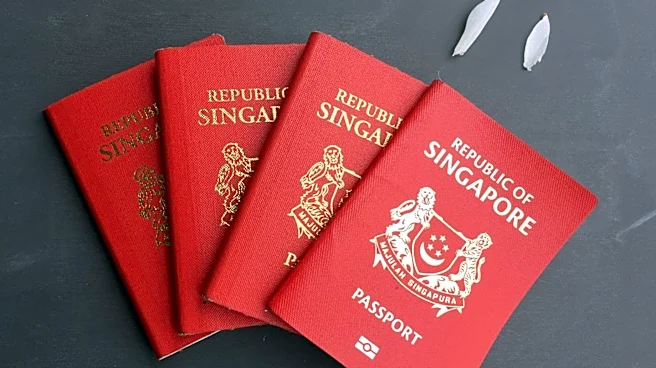
As societies like Singapore raise the retirement age, there is a growing need to redefine retirement as a stage of social and psychological redesign. This involves creating opportunities for retirees to continue contributing in meaningful ways, whether through volunteer work, part-time employment, or community involvement. Policymakers and organizations may need to develop programs that support this transition, ensuring that retirees have access to resources that help them adapt to their new roles. The focus will likely shift towards creating environments that foster active aging and lifelong learning, promoting a more inclusive and supportive society for older adults.