




What's Happening?
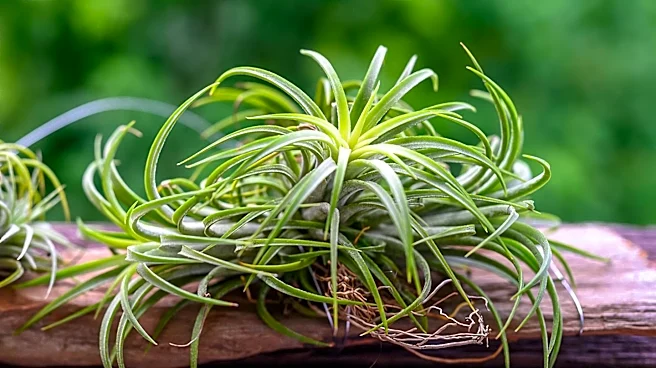
Successful air plant (Tillandsia) care requires specific attention to light, moisture, and airflow, as these plants do not grow in soil. According to Plantedwell, air plants need bright, diffused light and dependable moisture. The frequency of watering
depends on the species, warmth, humidity, light, and airflow of the environment. After watering, it is crucial to ensure the plant drains thoroughly and dries with good airflow to prevent rot. Open arrangements that allow air circulation around the leaves are recommended, and removable holders facilitate easier watering. Avoiding permanently wet moss or tight, water-holding containers is essential for the plant's health. Rainwater is beneficial, especially in areas with hard tap water. Proper drying involves gently removing trapped water and positioning the plant to allow moisture to drain from its crown, followed by exposure to moving air.
Why It's Important?
The detailed care instructions for air plants highlight the importance of understanding specific plant needs beyond general gardening practices. For enthusiasts and commercial growers in the U.S., this information is vital for maintaining healthy collections and ensuring the longevity of these unique plants. Misconceptions, such as relying solely on occasional misting, can lead to plant decline. The emphasis on proper drainage and airflow directly impacts plant health, preventing issues like rot and fungal infections, which can be costly for businesses involved in selling or cultivating air plants. Adhering to these guidelines can reduce plant loss, improve customer satisfaction for retailers, and contribute to the sustainable growth of the air plant market within the U.S. horticultural industry.
What's Next?
Individuals and businesses involved in air plant cultivation or sales should continue to educate themselves and their customers on these specific care requirements. Implementing best practices for watering, drying, and display can lead to healthier plants and more successful outcomes. Further research into species-specific needs and environmental adaptations could provide even more tailored care advice. The horticultural industry may see a trend towards more specialized products designed to support optimal air plant care, such as improved display options that facilitate airflow and drainage. Educational workshops and online resources focusing on these detailed care methods could also become more prevalent to support the growing interest in air plants.
Beyond the Headlines
The meticulous care required for air plants underscores a broader shift in gardening towards specialized and niche plant varieties. This trend reflects a growing consumer interest in unique botanical aesthetics and a desire for plants that can thrive in diverse indoor environments. The emphasis on understanding a plant's natural habitat and adapting care accordingly highlights a more scientific and informed approach to horticulture. This could lead to a greater appreciation for biodiversity and the specific ecological needs of various plant species. Furthermore, the aesthetic appeal of air plants, often displayed in creative, non-traditional ways, influences interior design trends, promoting a minimalist and naturalistic approach to home decor.