

What's Happening?
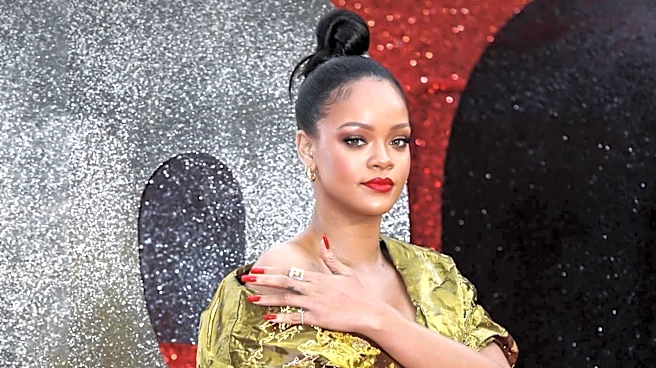
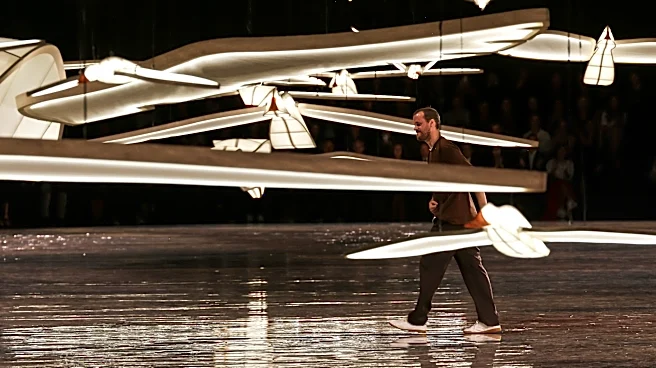
During Paris Fashion Week, a moment involving Rihanna and EJ Johnson at a Christian Dior runway show garnered significant online attention. EJ Johnson, in an Instagram recap, criticized the show's approximately hour-long delay, implying Rihanna's late
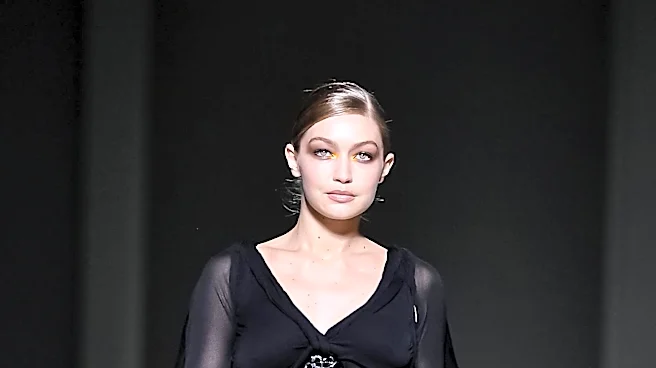
arrival was the cause. Johnson praised the collection but expressed frustration over the extended wait. The situation escalated when a separate video surfaced showing Johnson outside a hotel, seemingly locked out after posing for photographers. Rihanna later commented 'Damn' on this video, which was widely interpreted as a subtle response to Johnson's earlier remarks, though she did not directly address the complaint. Rihanna attended the Dior show dressed in an all-black ensemble and was among several high-profile guests present throughout Paris Fashion Week.
Why It's Important?
This incident highlights the significant influence of celebrities and social media on public perception and the dynamics of high-profile events like Paris Fashion Week. The immediate and widespread online reaction to EJ Johnson's comments and Rihanna's subsequent reply demonstrates how quickly celebrity interactions can become viral content, shaping narratives around major cultural events. For brands like Dior, such public exchanges, even if not directly involving the brand, can inadvertently draw additional attention, both positive and negative, to their events. This underscores the challenges and opportunities brands face in managing their image in an era of constant digital scrutiny. The incident also reflects the power of individual voices on social media to critique and influence public discourse, even when challenging established norms or celebrity behavior. This dynamic can impact how future fashion events are organized and how celebrity attendance is managed, potentially leading to stricter protocols or more controlled environments to mitigate unforeseen public relations issues.
What's Next?
The immediate aftermath of such an online interaction typically involves continued discussion and speculation across social media platforms, with fans and commentators dissecting every detail. For Rihanna and EJ Johnson, this particular exchange may fade as new news cycles emerge, but it contributes to their public personas and how they are perceived within the entertainment and fashion industries. Brands and event organizers will likely continue to monitor social media sentiment closely during high-profile events, potentially adjusting their strategies for guest management and public relations. This incident could serve as a case study for how celebrity attendance and punctuality are handled at future fashion shows, with an increased awareness of the potential for public scrutiny and online commentary. The broader trend of real-time social media commentary on live events is expected to continue, influencing how public figures and brands navigate their presence at major gatherings.
Beyond the Headlines
Beyond the immediate celebrity drama, this event touches upon deeper implications regarding the evolving nature of celebrity culture and public accountability. The expectation of punctuality, even for global icons, and the public's willingness to call out perceived transgressions, reflect a shift in power dynamics between celebrities and their audience. Social media platforms have empowered individuals to act as instant critics, blurring the lines between private and public conduct. This incident also subtly highlights the immense pressure on event organizers to manage complex logistics, including the arrivals of high-profile guests, under intense public and media scrutiny. The 'Damn' comment from Rihanna, while brief, exemplifies the nuanced and often indirect ways public figures engage with criticism, leaving much to interpretation and further online discussion. This constant interplay between celebrity actions, public reaction, and social media amplification shapes contemporary cultural discourse and influences how events are experienced and remembered.