





What's Happening?
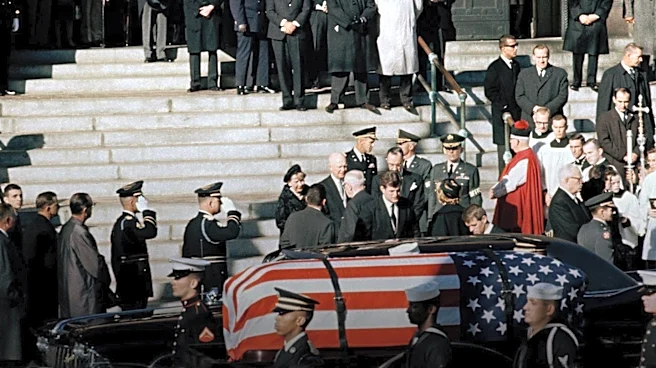
The 1963 Met Gala, then known as the 'Party of the Year,' was canceled due to the assassination of President John F. Kennedy. The event, founded in 1948 by publicist Eleanor Lambert to raise funds for the Costume Institute, was traditionally held in late
autumn or early December. Following President Kennedy's assassination on November 22, 1963, the United States entered a period of national mourning. The Costume Institute decided to cancel the 1963 gala entirely, with no postponement, and the event did not resume until its annual edition in 1964. This cancellation is a lesser-known instance compared to more recent ones, such as the 2002 cancellation after the 9/11 attacks and the 2020 cancellation due to the COVID-19 pandemic. The gala's format in 1963 was also different, lacking a specific theme or creative dress code, and primarily served as an elegant gathering for New York's high society and local fashion industry.
Why It's Important?
The cancellation of the 1963 Met Gala underscores the profound impact of national tragedies on cultural and social events in the U.S. The decision to cancel, rather than postpone, highlights the depth of national mourning and the immediate shift in public priorities following President Kennedy's death. This event illustrates how significant national moments can override even established social traditions, reflecting a collective sentiment of respect and somber reflection. For the fashion and cultural industries, it demonstrates the vulnerability of even high-profile events to external societal forces. The historical context also reveals the evolution of the Met Gala itself, from a more localized social gathering to the global spectacle it is today, largely influenced by figures like Diana Vreeland and Anna Wintour, who later transformed its scope and timing.
What's Next?
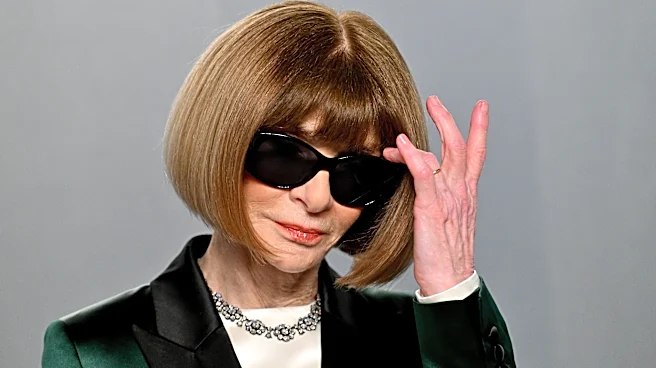
While the 1963 cancellation was a singular event tied to a specific national tragedy, the Met Gala has since evolved significantly. Under Anna Wintour's leadership, the event moved from December to the first Monday in May, becoming a global phenomenon with a highly curated guest list and thematic exhibitions. Future Met Galas are likely to continue this tradition, adapting to contemporary cultural and social landscapes. However, the historical precedent of cancellations due to national crises remains a reminder of the event's susceptibility to broader societal impacts. The focus will continue to be on maintaining its status as a premier fashion and cultural event, while also being prepared to respond to unforeseen circumstances that could necessitate changes to its schedule or format.
Beyond the Headlines
The 1963 cancellation of the Met Gala offers a glimpse into the cultural fabric of the U.S. during a period of immense national grief. It highlights how public sentiment and collective mourning can influence even seemingly apolitical events. The absence of a 'theme' or 'dress code' in 1963, compared to today's elaborate productions, also reflects a broader shift in how fashion and art are presented and consumed. The event's transformation over decades, particularly under Anna Wintour, from a local fundraiser to a global media spectacle, signifies the increasing commercialization and celebrity-driven nature of high-profile cultural events. This evolution also raises questions about the balance between artistic expression, fundraising, and public relations in contemporary cultural institutions.