




What's Happening?
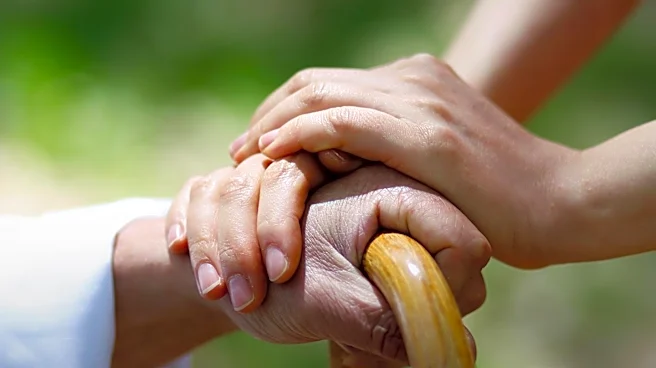
A growing body of research underscores the importance of social connections for seniors, equating its impact on health to that of diet and exercise. According to a report by the World Health Organization's Commission on Social Connection, loneliness is linked
to approximately 100 deaths every hour worldwide. Social isolation has been associated with increased risks of stroke, heart disease, diabetes, and cognitive decline. Harvard researchers have found that individuals with stronger social ties exhibit lower rates of chronic conditions. The study highlights the need for families to monitor social connections as closely as they do other health indicators.
Why It's Important?
The findings highlight a critical aspect of senior health that is often overlooked: the role of social connections. As the population ages, understanding and addressing social isolation becomes increasingly important for public health. The research suggests that fostering social ties can significantly reduce healthcare costs by preventing chronic conditions. It also emphasizes the need for community programs and policies that promote social engagement among seniors. For families, recognizing the signs of social isolation can lead to early interventions that improve the quality of life for elderly relatives.
What's Next?
Communities and healthcare providers may need to develop more robust programs to facilitate social interactions among seniors. This could include expanding access to community centers, organizing social events, and providing resources for families to engage with their elderly members. Additionally, technology could play a role in bridging the gap for those who are physically isolated, through video calls and social media platforms. Policymakers might consider integrating social health metrics into routine health assessments for seniors.