




What's Happening?
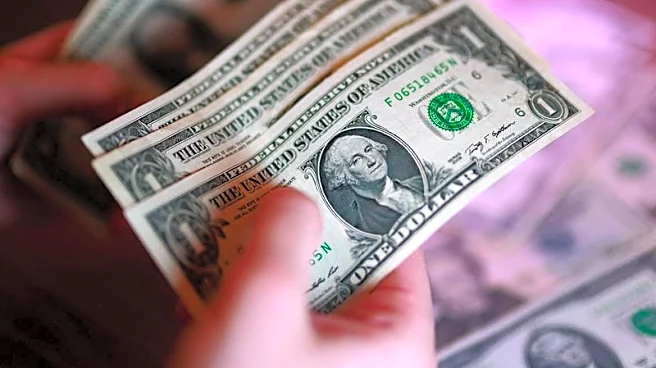
The U.S. dollar is on track for its largest monthly gain in nearly a year, driven by expectations of Federal Reserve rate hikes and positive economic sentiment. The dollar index, which measures the currency against six others, remains near a 13-month
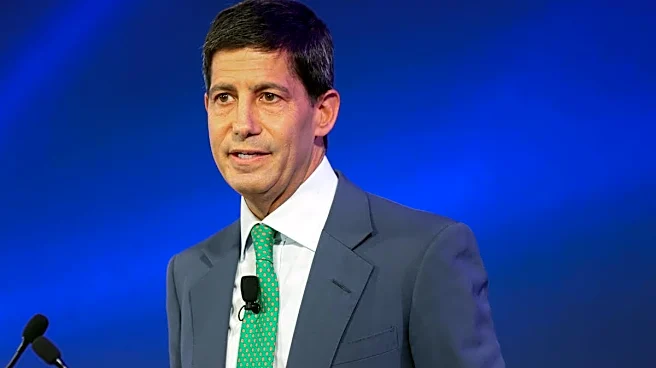
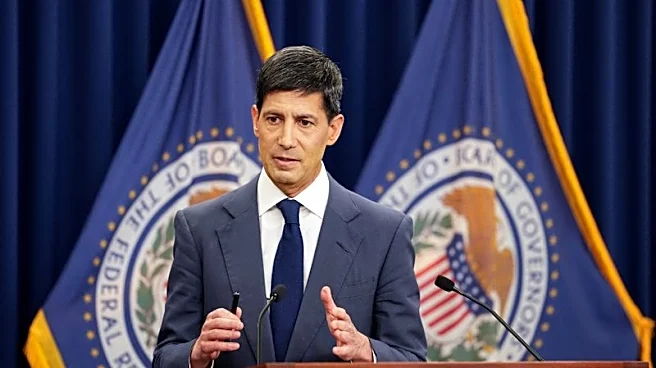
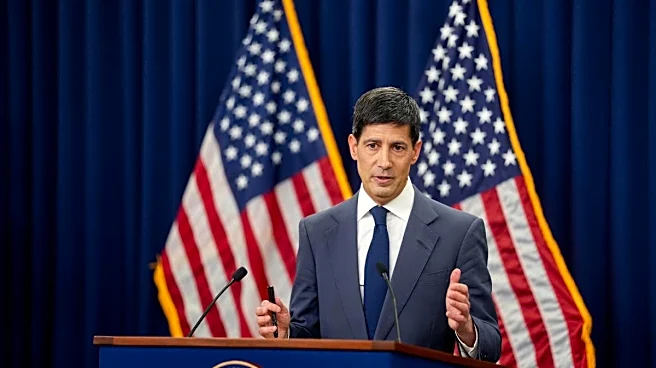
high. Rising inflationary pressures and a hawkish stance from Federal Reserve Chair Kevin Warsh have shifted market expectations, reducing the likelihood of rate cuts. Additionally, the U.S. equity market's AI-driven boom is attracting significant capital inflows. The dollar's strength is evident against major currencies, with notable gains against Scandinavian and Antipodean currencies.
Why It's Important?
The dollar's robust performance highlights investor confidence in the U.S. economy and the Federal Reserve's monetary policy. A stronger dollar can impact global trade, making U.S. exports more expensive and affecting international competitiveness. It also influences global financial markets, as many commodities and international transactions are dollar-denominated. The currency's strength could lead to shifts in investment strategies, with potential implications for emerging markets and global economic stability. As the dollar gains, it may also affect inflation dynamics and the purchasing power of U.S. consumers.
What's Next?
Investors are closely watching upcoming U.S. employment data, which could provide further insights into the Federal Reserve's rate hike trajectory. The ECB's annual forum and comments from key policymakers will also be scrutinized for indications of future monetary policy directions. As the dollar continues to strengthen, global markets may adjust their strategies, potentially leading to increased volatility. The ongoing geopolitical tensions and economic developments will remain critical factors influencing the dollar's trajectory and broader market dynamics.