





What's Happening?
August 24 has been identified as the most common day for U.S. employees to call in sick, according to an analysis of five years of sick-leave records by Flamingo. This late-August date surpasses all other days on the calendar for employee absences. The
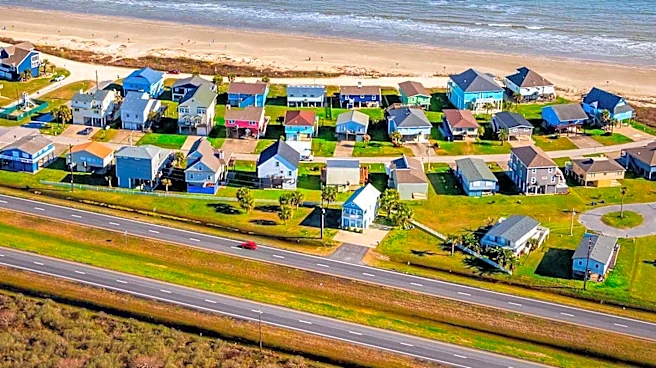
primary reason for this trend appears to be the pleasant weather conditions across much of the northern U.S., where average high temperatures are in the low 80s and nights in the mid-60s. This period also coincides with the final stretch of summer break for many school districts in the Northeast and Midwest, creating an ideal window for outdoor activities before the return to school.
Why It's Important?
This phenomenon highlights a significant aspect of workforce behavior and productivity. The tendency for employees to take sick days during periods of good weather and leisure opportunities, rather than actual illness, can impact business operations and resource allocation. For employers, understanding this pattern can inform staffing strategies and policies regarding flexible work arrangements or vacation scheduling. It also underscores the psychological impact of weather and leisure time on employee motivation and attendance. The data suggests that factors beyond physical health, such as the desire for recreation and family time, play a substantial role in absenteeism, particularly in late summer.
What's Next?
Businesses and HR departments might consider analyzing their own sick leave data around August 24 to assess the impact on their operations. This insight could lead to adjustments in company policies, such as encouraging employees to take planned vacation days during this period or implementing more flexible work-from-home options to accommodate the desire for outdoor activities. Further research could explore the correlation between specific weather patterns, regional school calendars, and employee absenteeism to develop more nuanced strategies for workforce management. The trend also opens discussions about work-life balance and how companies can better support employee well-being while maintaining productivity.
Beyond the Headlines
The identification of August 24 as America's 'sickest day' delves into the broader cultural relationship between work, leisure, and environmental factors. It suggests a collective inclination to prioritize personal enjoyment and family time when conditions are optimal, even if it means bending the rules of sick leave. This trend could reflect a societal shift towards valuing personal well-being and experiences over strict adherence to work schedules, especially in an era where work-life balance is increasingly emphasized. It also subtly points to the limitations of traditional sick leave policies, which may not fully account for the diverse reasons employees take time off. The phenomenon could spark conversations about creating more adaptive and empathetic workplace cultures that acknowledge these human tendencies.