
What's Happening?
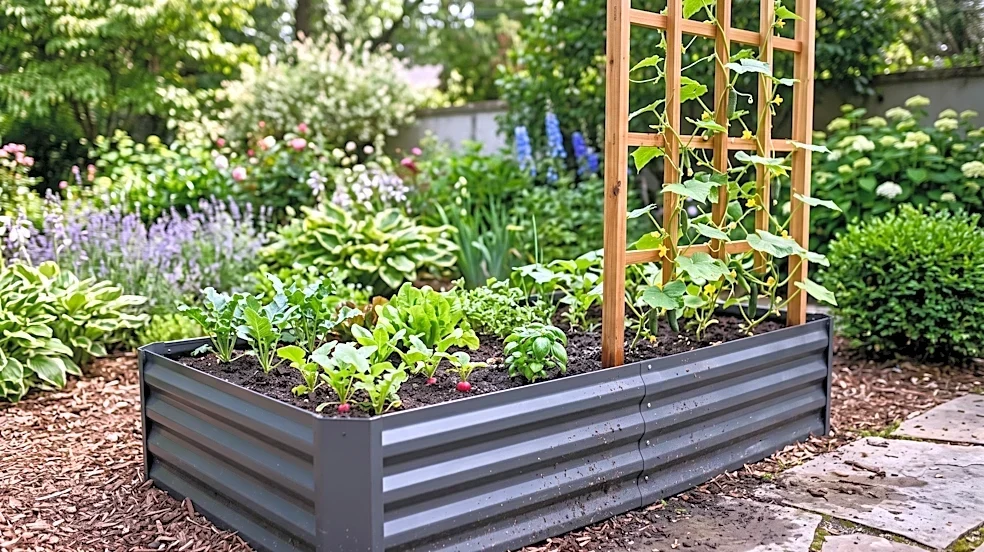
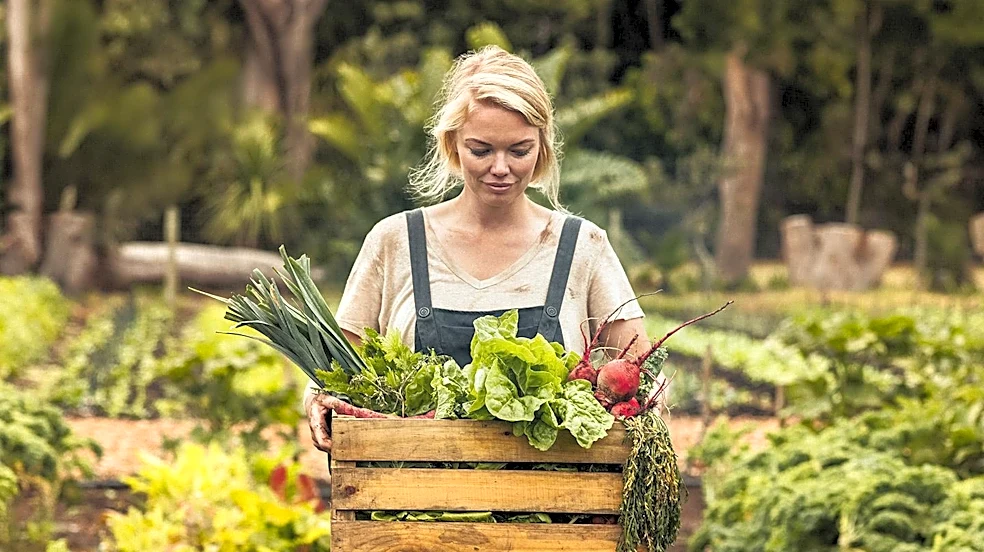
East Harlem's Diversity Edible Farm Garden (DEFG), located at 1673 Madison Avenue, has been revitalized by Angela Maull since July 2023. The garden, which grows kale, collard greens, cucumbers, and tomatoes,
now provides fresh food to the community. The DEFG is a 3,000-square-foot, city-owned site supported by NYC Parks GreenThumb, an initiative that began in 1978 to support community gardens. The garden features individual plots for members who pay for their beds to purchase supplies, ensuring its maintenance and aesthetic appeal without relying on external funding. This effort continues a long tradition in East Harlem of residents transforming neglected land into productive green spaces. The garden also partners with the East Harlem Community Partnership and hosts monthly pantries, making food accessible to anyone, regardless of their proximity to the garden.
Why It's Important?
The revitalization of the Diversity Edible Farm Garden is important for several reasons. It directly addresses food insecurity in East Harlem by providing fresh, locally grown produce, which can be particularly beneficial in urban areas often characterized by limited access to healthy food options. The garden also serves as a vital community hub, offering opportunities for outdoor learning, cultural exchange, and social gatherings, thereby strengthening neighborhood bonds. The self-sustaining model, where gardeners pay for their plots to cover supply costs, demonstrates a community-driven approach to urban agriculture, fostering a sense of ownership and collective responsibility. This initiative aligns with the broader urban gardening movement supported by NYC Parks GreenThumb, highlighting the role of such spaces in promoting environmental justice and local food production within metropolitan environments.
What's Next?
The Diversity Edible Farm Garden is expected to continue its operations, providing fresh produce and serving as a community gathering space. The ongoing commitment of volunteer gardeners and the self-funding model through plot payments suggest a sustainable future for the garden. Its partnerships with organizations like the East Harlem Community Partnership and its involvement in monthly food pantries indicate a continued focus on food distribution and community outreach. The success of DEFG could inspire similar initiatives in other urban areas, potentially leading to the expansion of community-led urban agriculture projects. The model of community self-sufficiency in maintaining these green spaces may also influence future urban planning and resource allocation for public gardens.
Beyond the Headlines
Beyond its immediate benefits, the Diversity Edible Farm Garden represents a deeper narrative of resilience and community empowerment in urban settings. The garden's revival, following the displacement of an older garden due to building developments, underscores the persistent efforts of residents to reclaim and cultivate green spaces amidst urban expansion. Angela Maull's personal motivation, celebrating the memory of her daughter through the garden, adds a poignant human element, illustrating how these spaces can become sites of healing and remembrance. The garden challenges conventional notions of urban development by prioritizing community well-being and environmental sustainability. It also highlights the often-overlooked role of local initiatives in addressing systemic issues like food access and social cohesion, demonstrating that grassroots efforts can create significant positive change.