




What's Happening?
Air travel costs are projected to stay elevated throughout the upcoming holiday season. Thanksgiving airfares have seen an increase of nearly 40% compared to the same period last year, while tickets for the Christmas season are up more than 20% year-over-year.
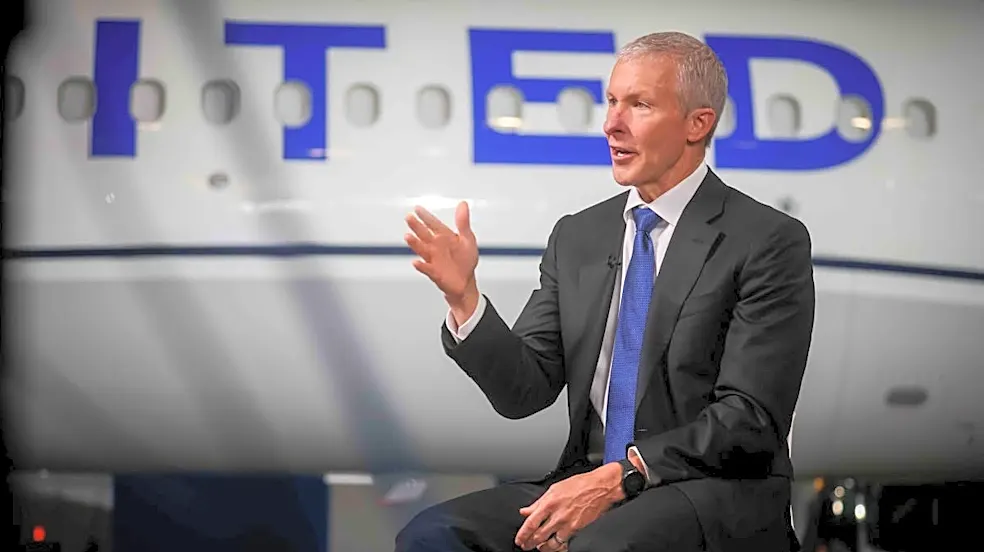
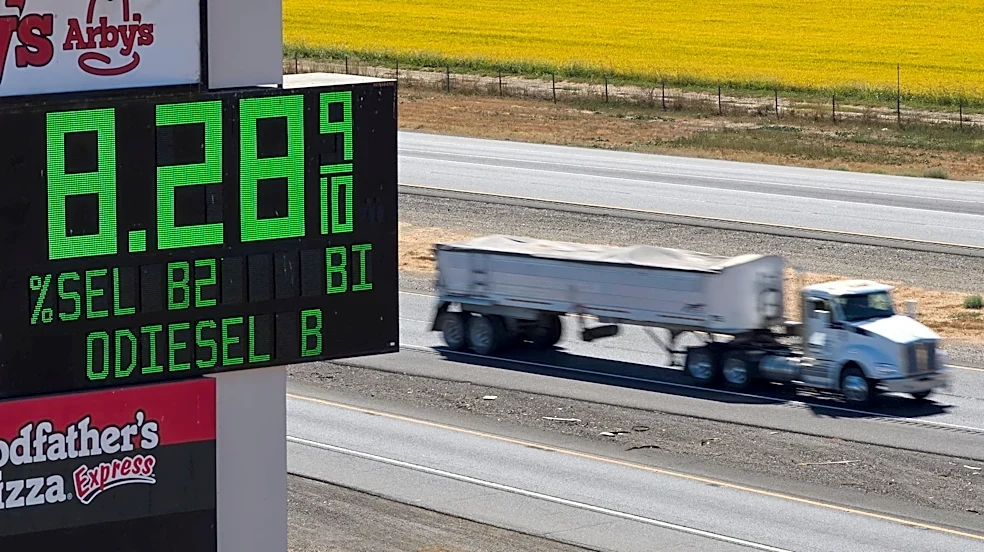
This surge in prices is attributed to a combination of higher fuel costs and sustained consumer demand for air travel. Despite the significant price increases, airline executives report that bookings remain steady. They have indicated that travelers should not anticipate any price reductions during this holiday period, suggesting that airfares are more likely to continue rising.
Why It's Important?
The sustained high airfare prices will significantly impact holiday travel plans for many U.S. families and individuals. Increased costs could force some to alter or cancel their travel, potentially affecting family gatherings and holiday traditions. For the airline industry, these higher prices, driven by fuel costs and demand, indicate a strong revenue period, helping to offset operational expenses. However, it also presents a challenge in balancing profitability with consumer affordability, especially if demand begins to wane due to price sensitivity. The trend reflects broader economic pressures, including inflation and energy costs, which are being passed on to consumers in various sectors, not just travel.
What's Next?
Travelers planning to fly for the holidays are advised to purchase their tickets immediately, as prices are expected to continue increasing. Airlines will likely monitor fuel prices and booking trends closely to adjust capacity and pricing strategies. The ongoing demand, despite higher costs, suggests that consumers are prioritizing travel, at least for now. However, if economic conditions tighten further, or if fuel costs continue to escalate, airlines might face a tipping point where demand begins to soften. Industry analysts will be watching for any shifts in consumer behavior or operational costs that could influence pricing strategies beyond the holiday season.
Beyond the Headlines
The persistent high airfares highlight a complex interplay of economic factors and consumer behavior. Beyond the immediate impact on holiday travel, these prices reflect the broader inflationary environment and the volatility of global energy markets. For the travel industry, it signals a period of recalibration where airlines are testing the elasticity of demand. This could lead to long-term shifts in travel patterns, with some consumers opting for alternative modes of transportation or choosing to travel less frequently. Environmentally, higher fuel costs could indirectly incentivize airlines to accelerate investments in more fuel-efficient aircraft and sustainable aviation fuels, though this is a long-term prospect. The situation also underscores the economic resilience of a segment of consumers willing to pay premium prices for travel experiences, even amidst broader economic uncertainties.