


What's Happening?
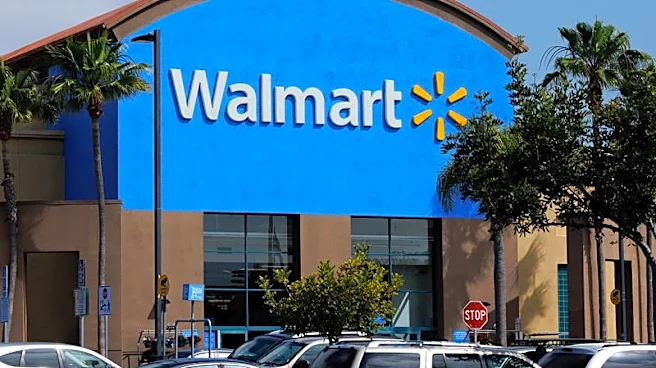
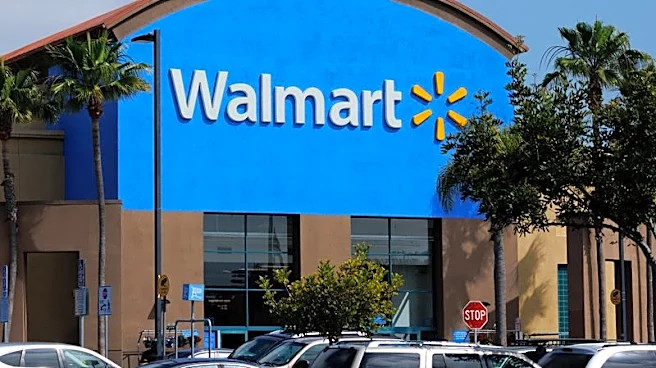
Walmart has received nearly $3 billion in tariff refunds, which it is leveraging to keep prices low for consumers and significantly boost its quarterly profit growth. The company stated it 'prioritized investment in price' after receiving these refunds, which are
tied to tariffs imposed under the International Emergency Economic Powers Act (IEEPA). This strategy resulted in over 11,000 price rollbacks across its U.S. stores during the quarter. The tariff refunds contributed a 750-basis-point net benefit to Walmart’s adjusted operating income, which rose approximately 17% on a constant-currency basis. Even without this benefit, underlying operating income growth reached the high end of its 7% to 10% guidance.
Why It's Important?
Walmart's decision to use tariff refunds to lower prices directly impacts U.S. consumers, particularly those who are value-conscious. In an economic environment where inflation and cost of living are significant concerns, Walmart's ability to offer lower prices can provide much-needed relief to households. This strategy also strengthens Walmart's competitive position against other retailers, especially as it continues to expand its e-commerce and marketplace businesses. The substantial boost to operating income demonstrates how external factors, like tariff policies, can significantly influence corporate profitability and strategic decisions, ultimately affecting both shareholders and the broader economy. This move highlights the retailer's commitment to its value proposition and its agility in responding to economic incentives.
What's Next?
Walmart plans to continue its investment in pricing and technology, driven by stronger sales and improving business economics. The company has raised its sales and operating-income growth guidance for the year, indicating confidence in its current strategy. Consumers can expect continued efforts from Walmart to offer competitive pricing, especially as it competes for value-conscious shoppers. The company's focus on expanding its digital businesses, including e-commerce, marketplace, and store-fulfilled delivery, suggests further integration of online and in-store shopping experiences. The utilization of tariff refunds provides Walmart with additional financial flexibility to pursue these growth initiatives and maintain its market leadership.
Beyond the Headlines
The story of Walmart utilizing tariff refunds to lower prices and boost profits reveals a complex interplay between government trade policies, corporate strategy, and consumer welfare. While the refunds provide a direct financial benefit to Walmart, the company's choice to pass some of this benefit to consumers through lower prices has broader economic implications. It can help mitigate inflationary pressures, increase consumer purchasing power, and potentially influence other retailers to adjust their pricing strategies. This situation also underscores the impact of trade policies on domestic businesses and their ability to compete. The long-term effects could include a shift in consumer spending habits and a re-evaluation of supply chain strategies by companies seeking to optimize costs and leverage policy changes.