





What's Happening?
Japandi style is gaining significant traction in U.S. interior design, characterized by its fusion of Japanese minimalism and Scandinavian functionality. This aesthetic emphasizes natural materials, clean lines, and a serene atmosphere. Key elements include
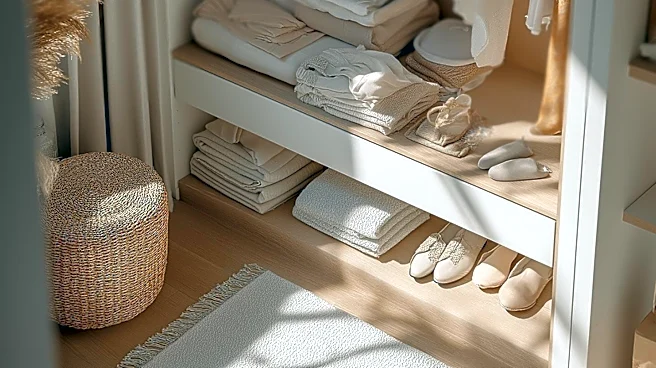
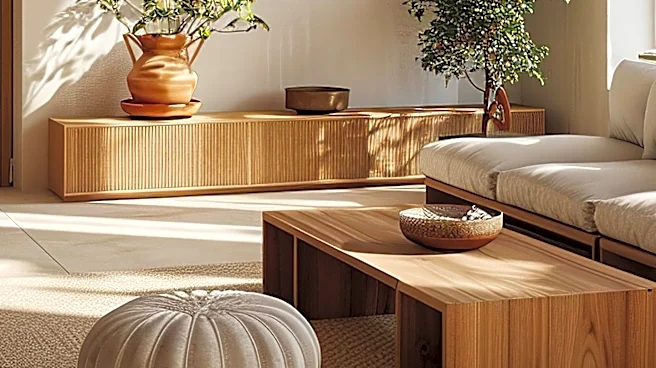
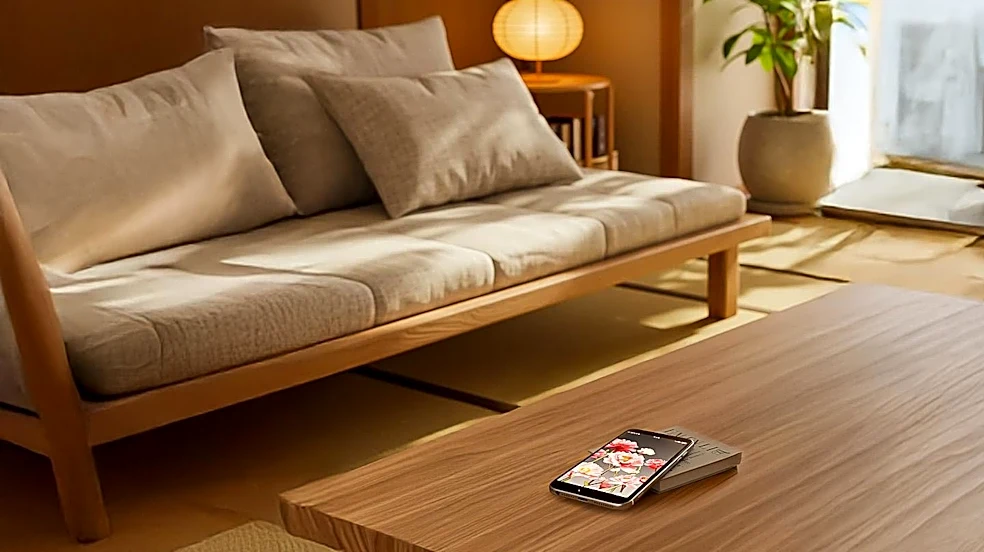
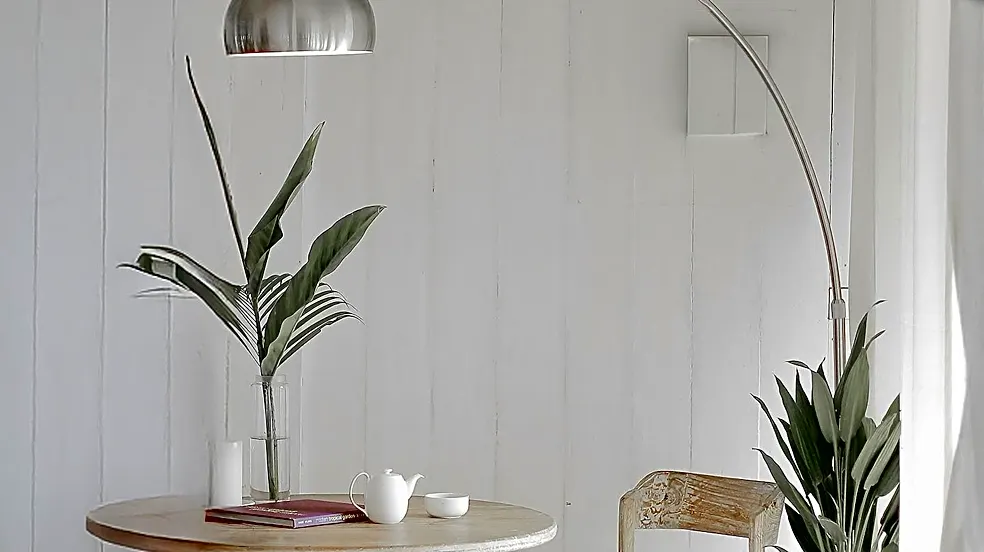
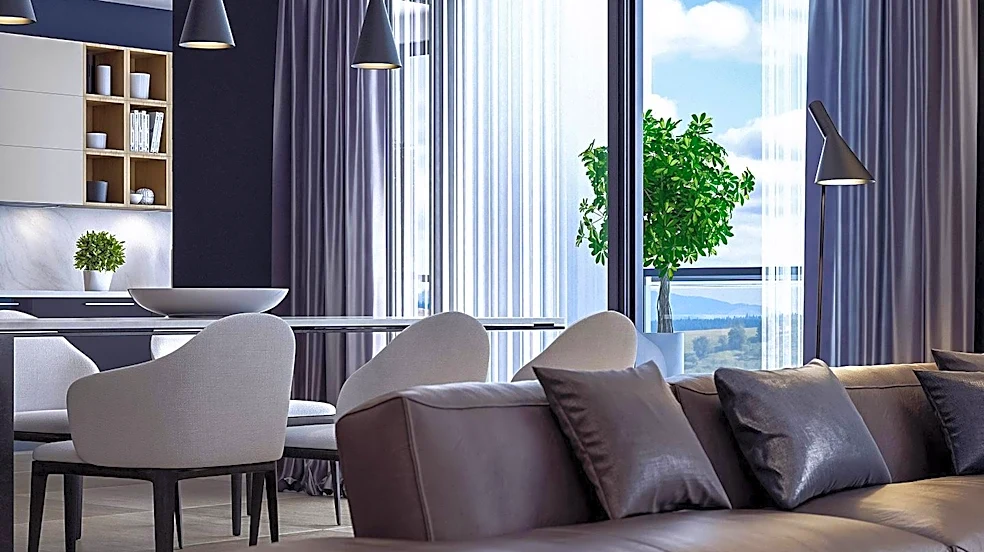
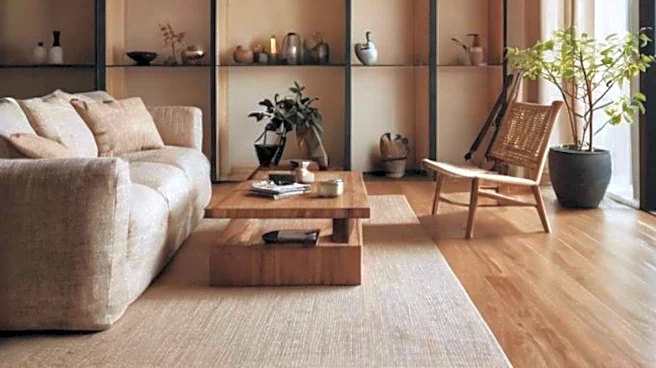
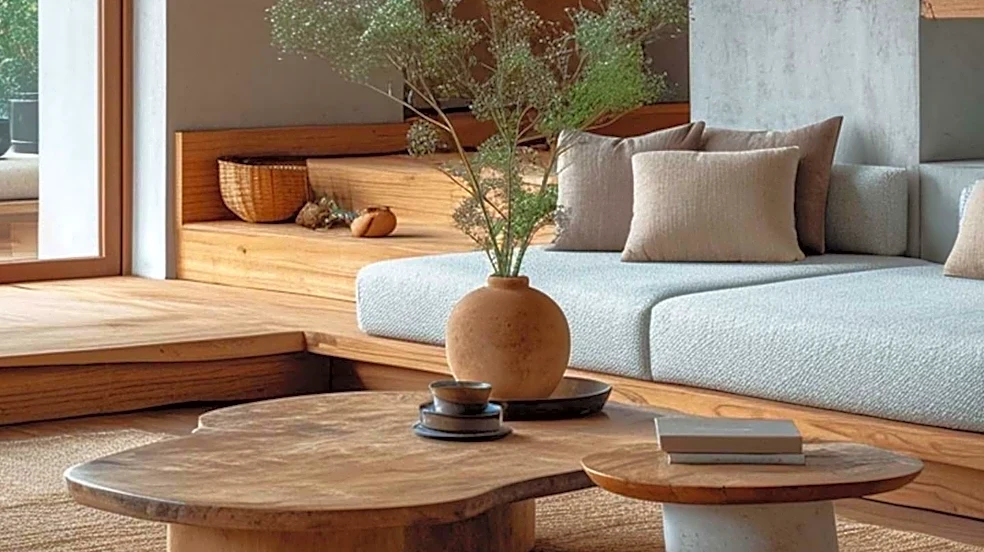
neutral color palettes, such as whites, greys, browns, and blacks, which create a calming environment. Natural materials like light-toned wood (oak, birch, ash) are prominently featured in furniture and flooring, often left unfinished or lightly treated to highlight their natural grain. The style prioritizes functional furniture with minimalistic designs, low-profile sofas, and streamlined storage solutions to maintain a clutter-free space. The Wabi-Sabi philosophy, which celebrates imperfections and the beauty of age, is also incorporated through vintage or distressed items. Organic shapes inspired by nature, such as curved lines and rounded edges, soften the aesthetic. Accessories are kept simple and purposeful, utilizing natural materials like ceramics, stone, or glass in earthy tones. Japandi wall art often features minimalist Asian landscapes, contributing to a tranquil and mindful living space.
Why It's Important?
The rise of Japandi style in the U.S. reflects a broader cultural shift towards mindfulness, simplicity, and well-being in home environments. This design trend offers consumers a way to create peaceful sanctuaries amidst increasingly busy lives, aligning with growing interests in decluttering and intentional living. For the U.S. home decor and furniture industries, this trend presents significant market opportunities. Manufacturers and retailers can capitalize on the demand for Japandi-inspired products, including furniture made from natural woods, minimalist decor items, and specific types of wall art. Interior designers and stylists who specialize in this aesthetic are likely to see increased demand for their services. The emphasis on natural, sustainable materials also resonates with environmentally conscious consumers, potentially driving innovation in eco-friendly product development. Furthermore, the style's focus on functionality and timelessness may lead to a shift away from fast-changing decor trends, encouraging more thoughtful and long-lasting purchases.
What's Next?
As Japandi style continues to grow in popularity, several developments are anticipated in the U.S. market. We can expect to see an increased availability of Japandi-specific product lines from major home goods retailers and furniture brands. Design publications and home improvement shows will likely feature more Japandi-themed content, further solidifying its presence in mainstream decor. There may also be a rise in specialized workshops and online courses focused on achieving the Japandi aesthetic, catering to both professionals and DIY enthusiasts. Collaborations between U.S. designers and international brands, particularly those from Japan and Scandinavia, could emerge to bring authentic elements of the style to a wider audience. Additionally, the integration of AI in design, as seen with AI Product Concept Designers and Interior Stylists, will likely play a role in visualizing and refining new Japandi-inspired products and room settings, making the style more accessible and customizable for consumers.
Beyond the Headlines
Beyond its aesthetic appeal, the widespread adoption of Japandi style in the U.S. signifies deeper cultural and psychological implications. It suggests a collective yearning for calm and order in a world often perceived as chaotic and overstimulating. The philosophy behind Japandi, rooted in Japanese concepts like Ma (the beauty of empty space) and Wabi-Sabi (finding beauty in imperfection), encourages a more mindful approach to consumption and living. This could lead to a re-evaluation of consumer habits, promoting quality over quantity and fostering an appreciation for craftsmanship and natural elements. Ethically, the demand for natural materials might spur more sustainable sourcing practices within the furniture and decor industries. Culturally, it represents a continued global exchange of design philosophies, where Eastern and Western aesthetics converge to create new, harmonious expressions of living spaces. This trend could also influence architectural design, promoting open-plan layouts and a greater connection between indoor and outdoor environments.