
What's Happening?
Resistance bands are being highlighted as highly versatile fitness tools suitable for a wide range of applications, including rehabilitation, strength training, and general fitness. These bands are effective
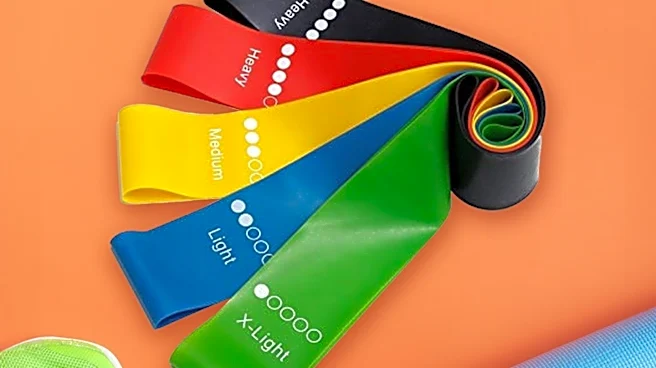
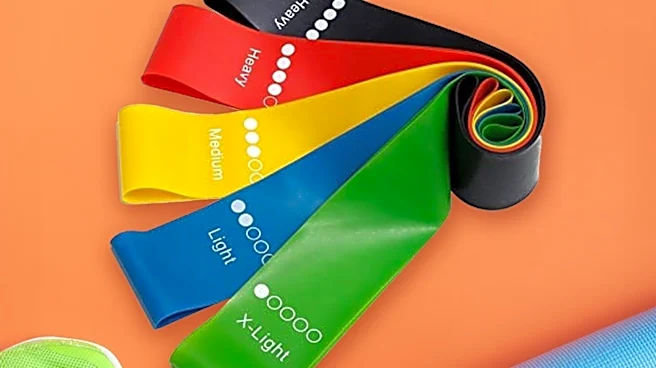
in targeting multiple muscle groups, enhancing flexibility, and building strength. They are particularly beneficial for beginners and older adults due to their ability to provide safe physical therapy and support muscle recovery. The compact and durable nature of resistance bands makes them convenient for both home and commercial use, and they are trusted by various fitness professionals and institutions globally. The multicolor sets available often correspond to different resistance levels, allowing users to easily select the appropriate band for specific exercises. Their portability eliminates the need for heavy weights, making them an accessible option for fitness on the go.
Why It's Important?
The growing emphasis on accessible and adaptable fitness solutions in the U.S. underscores the importance of resistance bands. As health and wellness trends shift towards home-based workouts and inclusive exercise options, resistance bands offer a cost-effective and space-saving alternative to traditional gym equipment. For the healthcare sector, particularly in physical therapy and rehabilitation, these bands provide a safe and effective method for patients to regain strength and mobility, reducing recovery times and improving overall patient outcomes. In the broader fitness industry, their versatility allows for diverse applications, from individual strength training to group fitness classes and corporate wellness programs, catering to a wider demographic. This accessibility can lead to improved public health outcomes by encouraging more individuals to engage in regular physical activity, thereby potentially reducing healthcare costs associated with sedentary lifestyles.
What's Next?
The continued integration of resistance bands into various fitness and rehabilitation programs is expected. Manufacturers may focus on developing more innovative designs and materials to enhance durability and user experience. Fitness professionals are likely to incorporate resistance bands more extensively into personalized training plans and online workout content, further expanding their reach. Educational initiatives promoting the correct and safe use of resistance bands could also become more prevalent, especially for older adults and individuals undergoing rehabilitation. The market for resistance bands is anticipated to grow as more people seek convenient and effective ways to maintain their fitness and health, potentially leading to increased product availability and specialized training programs.
Beyond the Headlines
Beyond their immediate utility, resistance bands represent a broader shift in fitness culture towards functional and sustainable exercise practices. Their low impact nature and adaptability challenge the traditional perception that effective strength training requires heavy weights and gym memberships. This democratizes fitness, making it more attainable for individuals with physical limitations, busy schedules, or limited access to conventional gyms. The emphasis on gradual progression and controlled movements inherent in resistance band training also promotes a mindful approach to exercise, fostering a deeper understanding of body mechanics and injury prevention. This cultural shift could lead to a more holistic view of health, where consistent, accessible movement is prioritized over intense, sporadic workouts, ultimately contributing to long-term well-being across diverse populations.