




What's Happening?
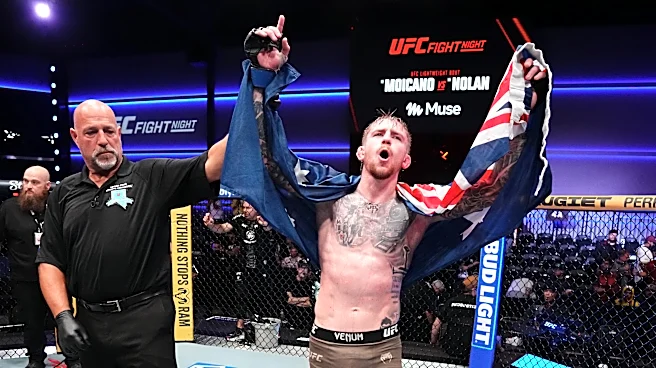
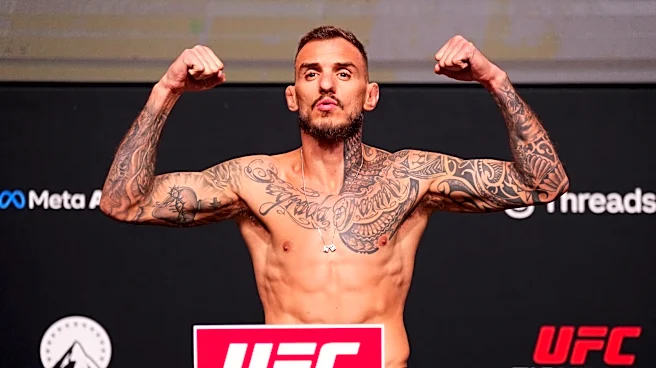
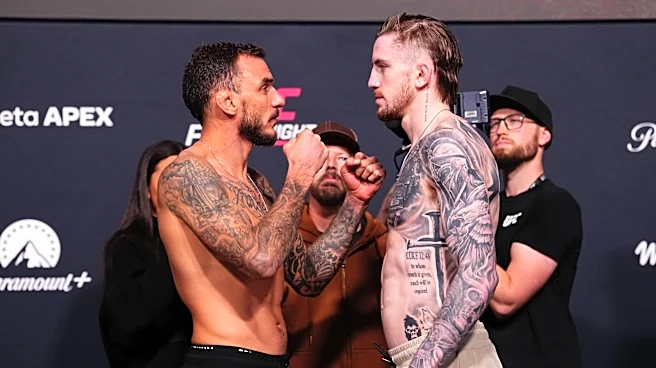
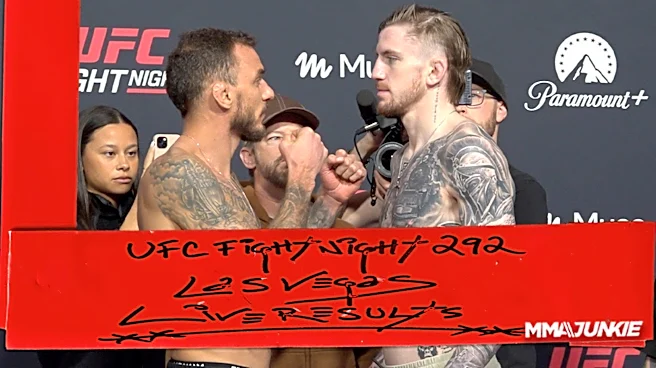
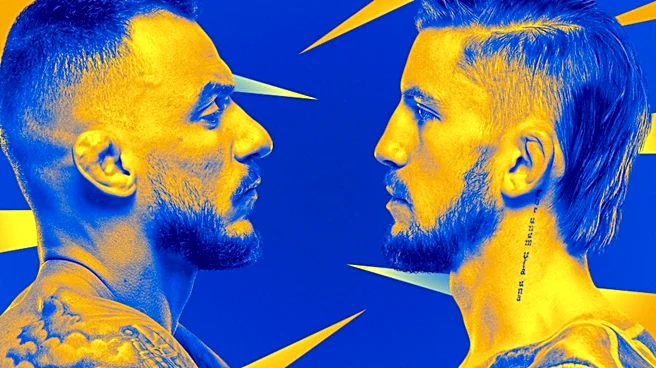
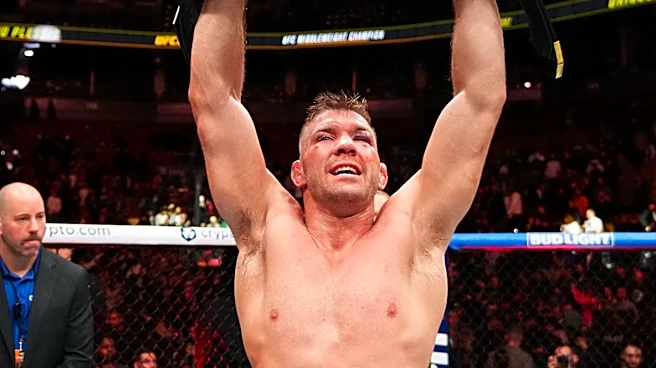
Referee Dan Miragliotta has drawn significant criticism from the MMA community for a controversial decision during the main event of UFC Vegas 123. In the fight between Tom Nolan and Renato Moicano, Miragliotta called for a stand-up near the end of Round
2, while Moicano was in a dominant back control position on the mat. This decision forced Moicano to relinquish his advantageous position. Shortly after the restart, Nolan landed a damaging knee that shifted the momentum of the fight in his favor. Nolan subsequently secured a third-round knockout victory over an exhausted Moicano with ground strikes. Many professional fighters and commentators have condemned Miragliotta's intervention, suggesting it directly influenced the outcome of the bout.
Why It's Important?
The controversy surrounding Dan Miragliotta's officiating at UFC Vegas 123 highlights critical issues within mixed martial arts refereeing. Such decisions can significantly impact fighter careers, fight outcomes, and the integrity of the sport. When a referee's intervention is perceived as arbitrary or incorrect, it can undermine the fairness of competition and erode fan confidence. For fighters like Renato Moicano, a premature stand-up can negate strategic advantages earned through skill and effort, potentially costing them a win, ranking points, and future opportunities. This incident reignites debates about referee training, consistency in rule application, and the need for clear guidelines to minimize subjective calls that alter the course of a fight. The widespread condemnation from within the MMA community underscores the seriousness of the perceived error.
What's Next?
Following the widespread criticism, there may be calls for a review of Dan Miragliotta's performance or a re-evaluation of refereeing standards within the UFC. While immediate changes to the fight result are unlikely, the incident could prompt discussions among athletic commissions and UFC officials regarding referee accountability and training protocols. Fighters and their teams may become more vocal about perceived officiating inconsistencies, potentially leading to increased scrutiny of referees in future events. The controversy will likely remain a talking point in MMA circles, influencing how fans and analysts view similar situations in upcoming fights. This event could serve as a catalyst for broader discussions on how to ensure fair play and minimize human error in high-stakes combat sports.
Beyond the Headlines
This incident touches upon the inherent tension between human judgment and the objective application of rules in sports. In MMA, where fights can turn on a single moment, a referee's decision carries immense weight. The controversy also raises questions about the psychological impact on fighters who feel a victory was unjustly taken from them, potentially affecting their morale and future performance. Beyond the immediate outcome, such officiating errors can fuel narratives about favoritism or incompetence, which can damage the sport's reputation. It also highlights the subjective nature of 'active fighting' or 'stalling' criteria, which often lead to stand-up calls. Ensuring consistent and justifiable refereeing is crucial for maintaining the sport's credibility and ensuring that athletic performance, not officiating, determines the victor.