



What's Happening?
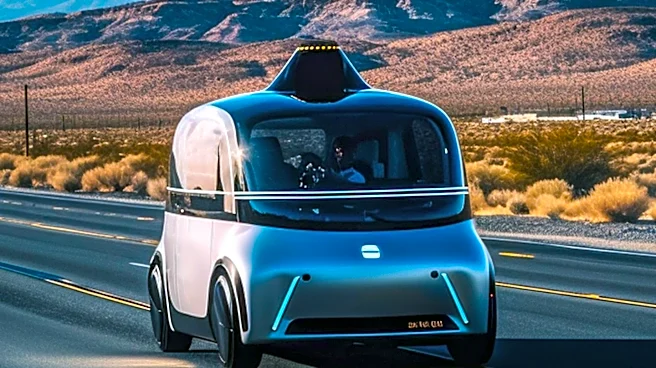
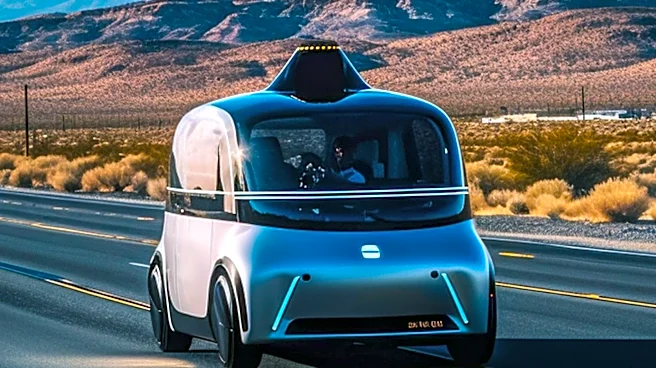
Zoox, the Amazon-owned autonomous mobility company, has announced that its steering wheel-free robotaxi service has surpassed one million riders. This significant milestone was shared by Zoox on November 24, with the company acknowledging the role of
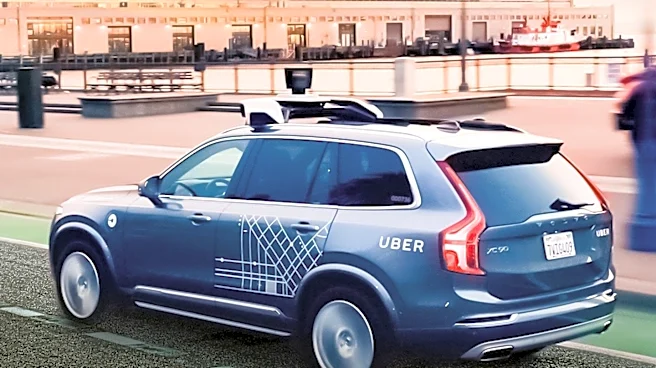
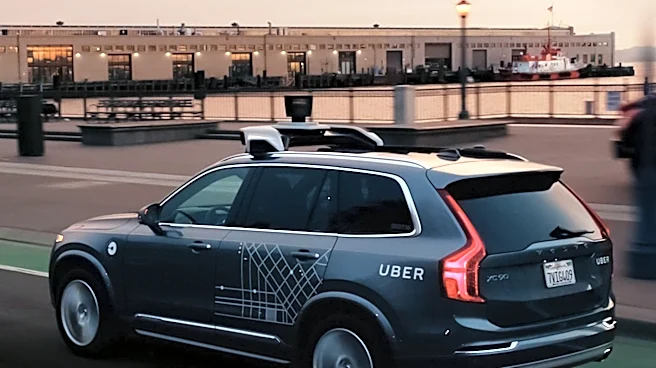
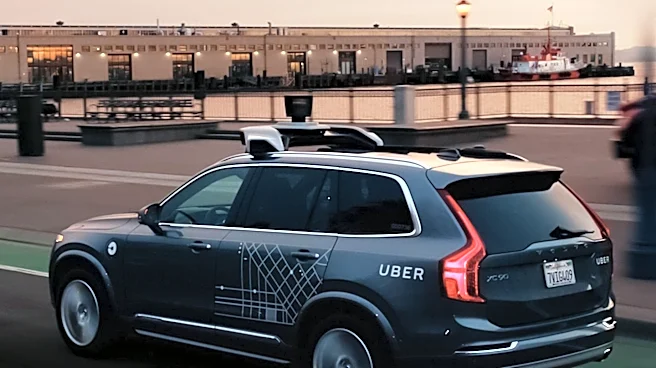
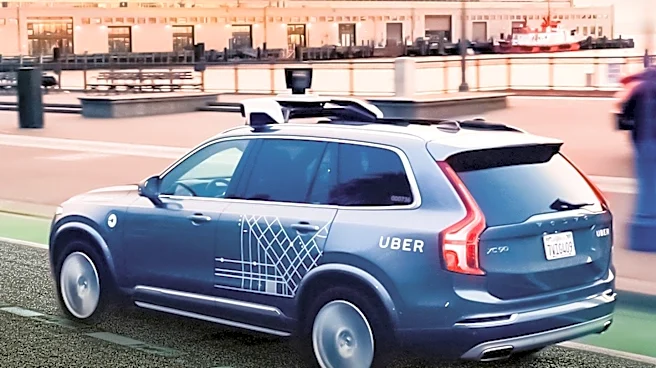
riders in Las Vegas and San Francisco in shaping its operations. Currently, Zoox charges fares only in Las Vegas, where it received clearance from NHTSA in July for paid rides and recently became available on Uber as part of a partnership with MGM Resorts. The company is rapidly expanding its presence, having launched employee rides in Atlanta this month near Atlantic Station and commencing operations in Los Angeles on November 19, starting with employee, family, and friend rides in Santa Monica. Looking ahead, Zoox plans to introduce its test fleet to Europe and Asia in early 2027.
Why It's Important?
This achievement by Zoox signifies a crucial step forward for the autonomous vehicle industry in the U.S., demonstrating increasing public acceptance and operational scalability of robotaxi services. Reaching one million riders, particularly with a vehicle designed without a steering wheel or driver's seat, underscores the technological maturity and safety protocols Zoox has implemented. The expansion into major U.S. cities like Atlanta and Los Angeles indicates a strategic move to broaden market penetration and gather diverse operational data, which is vital for refining autonomous driving systems. The partnership with Uber and MGM Resorts in Las Vegas highlights the potential for integration with existing transportation and hospitality sectors, paving the way for wider adoption and new business models in urban mobility. This progress could accelerate regulatory frameworks and public trust in driverless technology, influencing future urban planning and transportation infrastructure.
What's Next?
Zoox is poised for continued expansion within the U.S. and internationally. The company's ongoing rollout in Atlanta and Los Angeles will likely involve a phased approach, starting with employee rides before opening to the public, similar to its Las Vegas model. Further integration with ride-sharing platforms and local businesses could be anticipated as Zoox seeks to establish its services as a viable transportation option. The planned deployment of test fleets in Europe and Asia by early 2027 indicates Zoox's ambition to become a global player in autonomous mobility, which will require navigating diverse regulatory landscapes and consumer preferences. Continued data collection from its growing rider base will be critical for refining its AI and vehicle performance, potentially leading to more advanced features and broader operational design domains.
Beyond the Headlines
The success of Zoox's robotaxi service carries broader implications for urban development, employment, and the future of personal transportation. As autonomous vehicles become more prevalent, there could be significant shifts in urban infrastructure, with potential reductions in parking demand and changes in public transit systems. The widespread adoption of robotaxis might also impact the traditional taxi and ride-sharing industries, potentially leading to job displacement for human drivers but creating new opportunities in vehicle maintenance, remote monitoring, and software development. Ethical considerations surrounding autonomous decision-making in complex traffic scenarios and data privacy for passengers will become increasingly central to public discourse and regulatory oversight. Zoox's progress contributes to a larger societal conversation about how autonomous technology will reshape daily life and the urban environment.