









What's Happening?
An anti-inflammatory diet focuses on consuming whole, minimally processed foods to reduce chronic inflammation in the body. Key components of this dietary approach include omega-3 fatty acids, found in fatty fish like salmon and sardines, and polyphenols
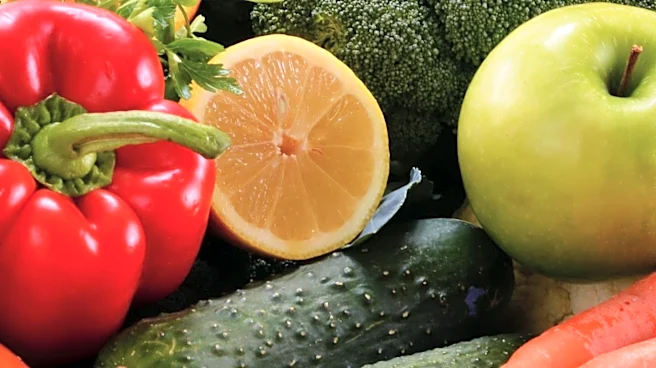
and antioxidants, abundant in colorful produce, herbs, and spices. Fiber, which supports gut health, is also a crucial element. Foods encouraged in this diet include extra-virgin olive oil, leafy greens, berries, walnuts, almonds, turmeric, and tomatoes. Conversely, foods to limit or avoid are added sugars, fried foods, processed and deli meats, refined white bread and pasta, and highly processed snacks. This dietary pattern is particularly beneficial for managing autoimmune diseases such as lupus, rheumatoid arthritis, and psoriasis, and may also aid in the healing process for conditions like celiac disease and thyroid disease. The Mediterranean diet is often cited as a prime example of an anti-inflammatory eating pattern due to its emphasis on these beneficial food groups.
Why It's Important?
Chronic, low-grade inflammation, often influenced by daily dietary choices, is linked to a range of long-term health issues, including heart disease and type 2 diabetes. Adopting an anti-inflammatory diet can significantly impact public health by offering a proactive approach to managing and potentially preventing these conditions. For individuals with autoimmune diseases, this diet provides a non-pharmacological method to gain better control over symptoms and improve their quality of life. The emphasis on whole, unprocessed foods also promotes overall nutritional intake, potentially reducing reliance on processed foods that contribute to inflammation. This shift in dietary habits could lead to reduced healthcare costs associated with chronic disease management and a healthier, more productive population. The accessibility of many anti-inflammatory foods also makes this a viable strategy for a broad demographic.
What's Next?
Individuals interested in adopting an anti-inflammatory diet can start by incorporating more fatty fish, extra-virgin olive oil, leafy greens, berries, walnuts, almonds, turmeric, and tomatoes into their meals. Simultaneously, they should aim to reduce their intake of added sugars, fried foods, processed meats, refined grains, and highly processed snacks. For those with chronic conditions, consulting with healthcare professionals or registered dietitians is recommended before making significant dietary changes. Further research is ongoing to solidify the long-term benefits and specific mechanisms of various anti-inflammatory foods. The continued promotion of dietary guidelines that align with anti-inflammatory principles by health organizations could lead to broader public adoption and improved health outcomes.
Beyond the Headlines
The concept of an anti-inflammatory diet extends beyond mere food choices; it represents a broader shift towards understanding food as medicine and recognizing the profound impact of nutrition on chronic health. This dietary approach highlights the interconnectedness of gut health, immune function, and systemic inflammation, suggesting that a healthy gut microbiome, supported by fiber-rich foods, plays a critical role in overall well-being. The focus on whole foods also encourages sustainable eating practices and a return to traditional dietary patterns, such as the Mediterranean diet, which have been proven beneficial over centuries. This movement challenges the modern reliance on highly processed foods and offers a pathway to empower individuals to take a more active role in managing their health through informed dietary decisions, potentially reducing the burden of chronic diseases on healthcare systems.