








What's Happening?
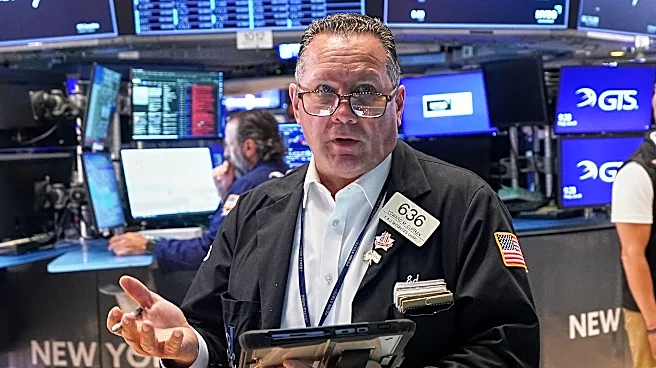
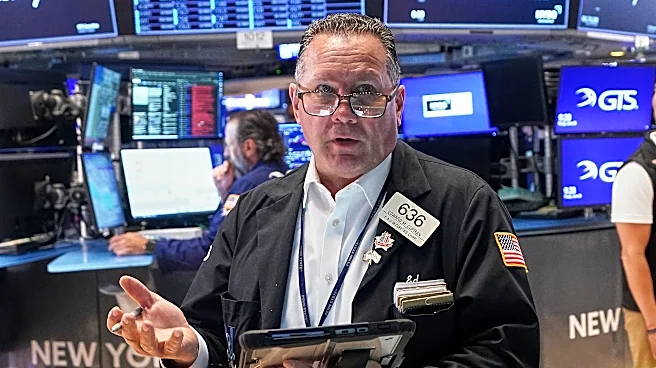
ON Semiconductor's shares experienced a significant drop, marking their worst performance since March 2020, following the announcement of its largest acquisition to date. The company plans to acquire Synaptics, a provider of edge AI and wireless connectivity
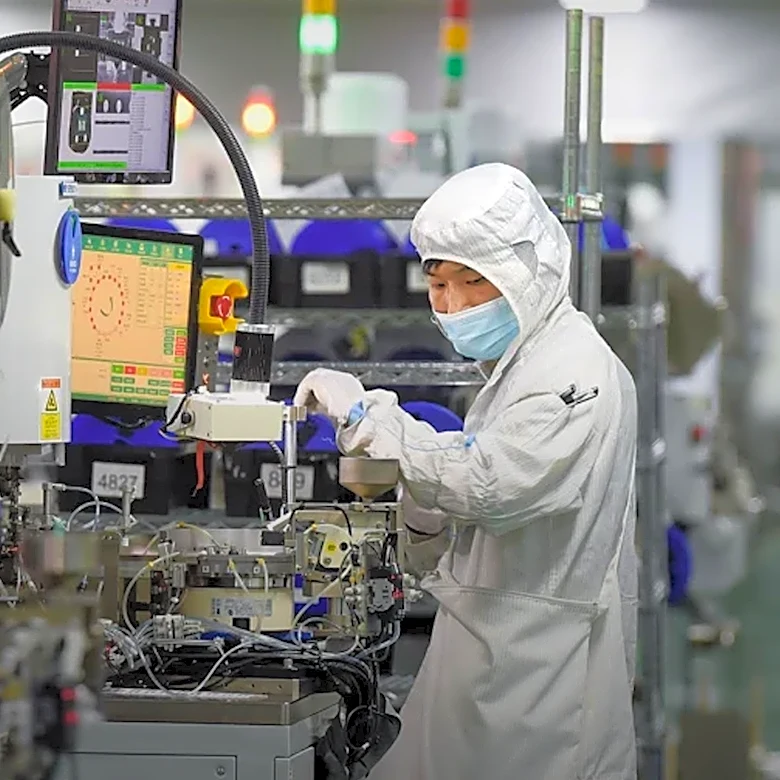
solutions, in an all-stock deal. This strategic move aims to expand ON Semiconductor's market reach into physical artificial intelligence, which is expected to increase its addressable market by an additional $30 billion, reaching $243 billion by 2030. CEO Hassane El-Khoury emphasized the complementary nature of the acquisition, highlighting its potential to enhance the company's capabilities in AI-centric compute platforms. The acquisition is also expected to generate $200 million in annual synergies within 18 months of closing, anticipated in mid-2027.
Why It's Important?
The acquisition of Synaptics by ON Semiconductor is a strategic effort to capitalize on the growing demand for physical AI technologies, which are crucial for the development of autonomous systems and real-time decision-making devices. This move positions ON Semiconductor to tap into new markets and expand its product offerings, potentially leading to significant revenue growth. However, the immediate negative reaction from the stock market reflects investor concerns about the risks associated with such a large acquisition and its impact on the company's financial stability. The success of this acquisition could set a precedent for similar deals in the tech industry, influencing how companies approach expansion into AI and connectivity solutions.
What's Next?
ON Semiconductor will focus on integrating Synaptics' technologies to enhance its edge AI capabilities, particularly in sectors like robotics and autonomous vehicles. The company aims to leverage Synaptics' Astra platform to strengthen its position in the AI market. As the deal progresses towards closure in mid-2027, stakeholders will closely monitor the integration process and the realization of projected synergies. The company's ability to deliver on its strategic goals will be critical in restoring investor confidence and stabilizing its stock performance.