





What's Happening?
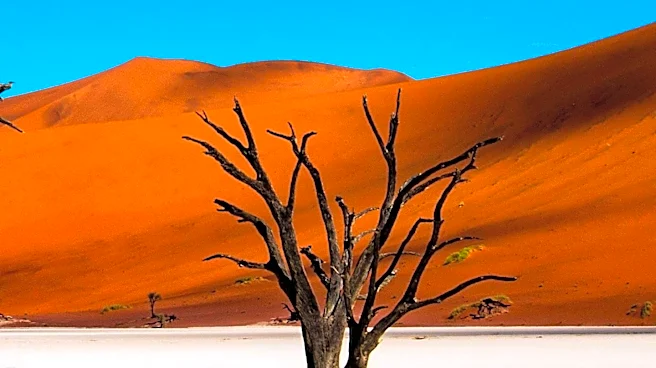
A recent article outlines two unique honeymoon destinations, Namibia and Tasmania, offering adventurous and luxurious experiences for couples. Namibia is described as a remote and wild destination, featuring the world's oldest desert, the dramatic Atlantic
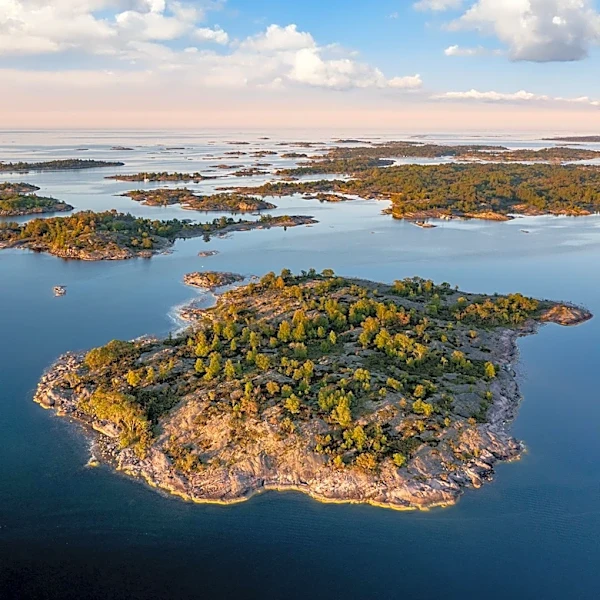
coastline, and exclusive safari experiences. The itinerary suggests starting in Windhoek, traveling to the towering dunes of Sossusvlei, exploring the Skeleton Coast, and concluding in Etosha National Park for wildlife sightings. Tasmania, on the other hand, is presented as a luxury escape with rugged coastlines, ancient forests, and cool-climate vineyards. The itinerary combines Hobart's food scene with the natural beauty of the east coast, including Freycinet National Park and boutique wineries.
Why It's Important?
These itineraries highlight the growing trend of experiential travel, where couples seek unique and memorable experiences rather than traditional honeymoon destinations. Namibia's offering of exclusive safaris and dramatic landscapes appeals to those looking for adventure and seclusion. Meanwhile, Tasmania's combination of natural beauty and culinary experiences caters to luxury travelers seeking comfort and exploration. This trend reflects a shift in the travel industry towards personalized and diverse travel experiences, impacting how destinations market themselves and how travel agencies curate packages.
What's Next?
As the demand for unique travel experiences grows, destinations like Namibia and Tasmania may see increased interest from honeymooners and other travelers seeking adventure and luxury. Travel agencies might expand their offerings to include more personalized and off-the-beaten-path itineraries. Additionally, these destinations could invest in sustainable tourism practices to accommodate the influx of visitors while preserving their natural and cultural heritage.
Beyond the Headlines
The focus on Namibia and Tasmania also underscores the importance of sustainable tourism. As these destinations attract more visitors, there is a need to balance tourism growth with environmental conservation. This could lead to increased efforts in promoting eco-friendly travel options and supporting local communities. Furthermore, the emphasis on unique experiences may encourage other destinations to innovate and diversify their tourism offerings.