


What's Happening?
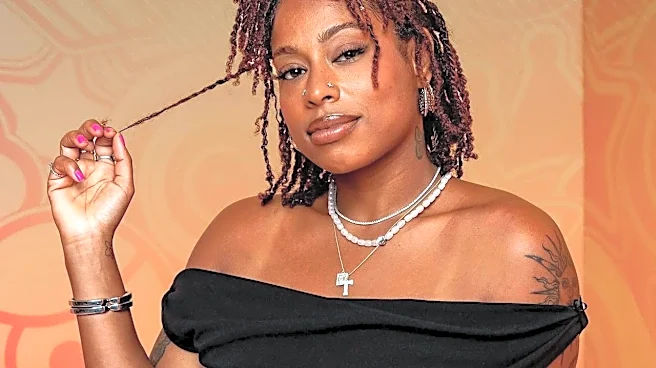
Neutrogena has issued a humorous response to criticism regarding a viral video featuring its brand ambassador, singer Tate McRae. The original TikTok video showed McRae using Neutrogena Makeup Remover face wipes as part of her post-show routine, but viewers
noted that she appeared to barely touch her skin with the product, leading to a backlash on social media. Comments from users questioned the effectiveness of the product's promotion and expressed disbelief that Neutrogena approved the video. In response, Neutrogena posted a tongue-in-cheek video on its official Instagram account, narrated from the perspective of the animated makeup wipes. The wipes humorously acknowledged the '9 million notifications' and the 'sudden attention,' reflecting on whether they are 'better at causing a scene' than cleansing faces. This creative approach has been praised by social media users for its wit and self-awareness.
Why It's Important?
This incident highlights the evolving dynamics of brand endorsements and influencer marketing in the digital age, particularly within the U.S. beauty industry. The immediate and widespread criticism of McRae's video underscores consumers' increasing scrutiny of authenticity and product efficacy in sponsored content. For brands like Neutrogena, maintaining credibility is paramount, and a misstep in influencer campaigns can quickly lead to reputational damage. Neutrogena's swift and humorous response demonstrates an effective strategy for crisis management in the social media era, turning potential negative publicity into positive engagement. This approach could set a precedent for how other U.S. companies handle similar situations, emphasizing transparency and a willingness to engage with consumer feedback, even when it's critical. It also reinforces the power of social media as a direct channel for both consumer critique and brand communication.
What's Next?
Following this successful response, Neutrogena may continue to leverage humor and self-awareness in its future marketing campaigns, potentially influencing other beauty brands to adopt similar strategies when facing online criticism. The incident could also lead to more rigorous guidelines for influencer content, with brands and influencers working more closely to ensure product usage is depicted authentically. For Tate McRae, this event might prompt a re-evaluation of her approach to sponsored content, focusing on more genuine demonstrations of products. The broader beauty industry in the U.S. might see an increased emphasis on transparency and consumer education in marketing, as brands strive to build trust in a highly competitive and digitally-driven market. This could also lead to a greater demand for influencers who prioritize authenticity over mere promotional reach.
Beyond the Headlines
Beyond the immediate marketing implications, this event touches upon the broader cultural phenomenon of 'digital detox' and the constant pressure on public figures to maintain an online presence. The makeup wipes' line, 'Hey. Wow, I have been off the grid. Little digital detox after a big festival weekend,' subtly acknowledges the societal conversation around disconnecting from technology. This narrative choice by Neutrogena suggests an awareness of the mental health aspects associated with constant digital engagement, even within a promotional context. It also highlights the fine line influencers walk between personal branding and commercial obligations, and how easily perceived inauthenticity can lead to public backlash. The incident underscores the evolving relationship between celebrities, brands, and their audiences, where authenticity and relatability are increasingly valued over polished, aspirational imagery.