




What's Happening?
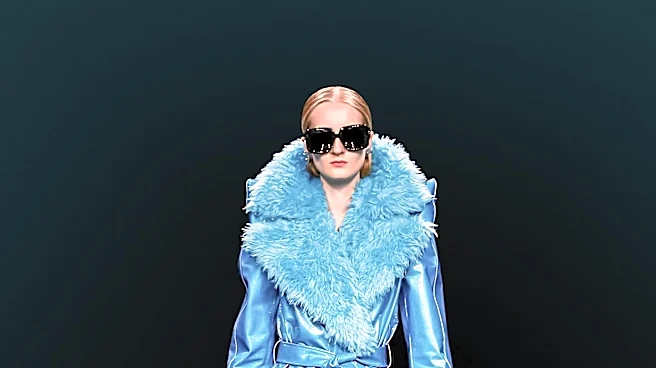
OOTD, an informal internet abbreviation for 'Outfit of the Day,' has become a widely recognized term in casual online communication and fashion-related content. It is frequently used across various digital platforms such as text messages, Instagram posts,
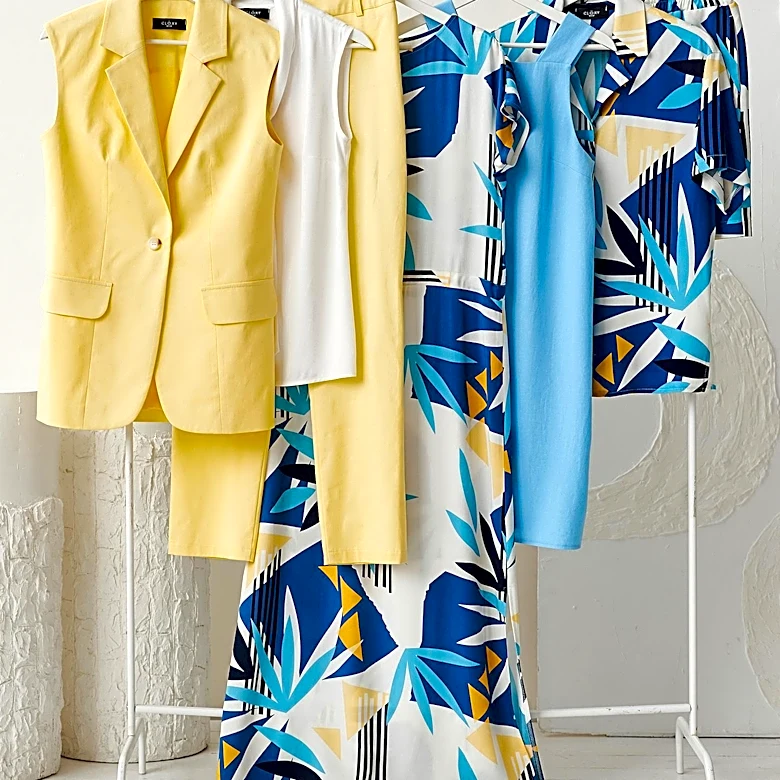
TikTok videos, and group chats. The abbreviation allows individuals to share, discuss, or compliment an outfit they are wearing or have seen. The term gained significant traction through social media, where users began posting daily outfit photos and videos. OOTD does not necessitate an expensive wardrobe or a meticulously planned fashion shoot; even a simple everyday ensemble can be designated as an OOTD. It is commonly written in uppercase, though lowercase 'ootd' is also seen in casual online contexts. The flexibility of the term means it can apply to any outfit, from casual wear like jeans and a T-shirt to more formal attire, without implying a specific style or price point.
Why It's Important?
The widespread adoption of OOTD highlights the evolving nature of digital communication and its impact on cultural trends, particularly in fashion and personal expression. This abbreviation simplifies and streamlines conversations about clothing, making it easier for individuals to engage in fashion-related dialogue across diverse online communities. For businesses and fashion influencers, understanding and utilizing terms like OOTD is crucial for connecting with target audiences and participating in relevant online trends. The term's informality and broad applicability have democratized fashion sharing, allowing anyone, not just influencers, to participate. This shift impacts how fashion is consumed and discussed, moving it from exclusive circles to a more accessible, everyday phenomenon. The ease of sharing outfits through OOTD also contributes to the rapid dissemination of style ideas and trends, influencing consumer behavior and purchasing decisions in the fashion industry.
What's Next?
The continued evolution of social media platforms and communication tools suggests that abbreviations like OOTD will remain prevalent and potentially expand in usage. As new platforms emerge and existing ones adapt, the ways in which people share and discuss their daily outfits may become even more integrated into digital interactions. We can anticipate further innovations in how OOTD content is created and consumed, possibly through more interactive features, augmented reality filters for virtual try-ons, or AI-driven style recommendations based on shared OOTDs. Fashion brands and retailers are likely to continue leveraging OOTD and similar hashtags in their marketing strategies to engage with consumers and promote their products. The informal nature of OOTD also indicates a trend towards more authentic and relatable content, which could influence future content creation strategies in the fashion and lifestyle sectors.
Beyond the Headlines
The phenomenon of OOTD extends beyond mere fashion sharing; it reflects deeper societal trends related to self-presentation, identity construction, and community building in the digital age. By regularly sharing their 'Outfit of the Day,' individuals engage in a form of daily self-expression, curating their public image and seeking validation or connection from their online peers. This practice can foster a sense of belonging within online fashion communities, but it also raises questions about the pressures of constant self-monitoring and the pursuit of an idealized image. The emphasis on 'daily' outfits, regardless of their cost or formality, underscores a cultural shift towards celebrating everyday style and personal comfort over aspirational, high-fashion ideals. Furthermore, the use of OOTD as a hashtag contributes to the vast amount of data available on fashion preferences and trends, which can be analyzed to understand broader shifts in consumer tastes and cultural aesthetics.