



What's Happening?
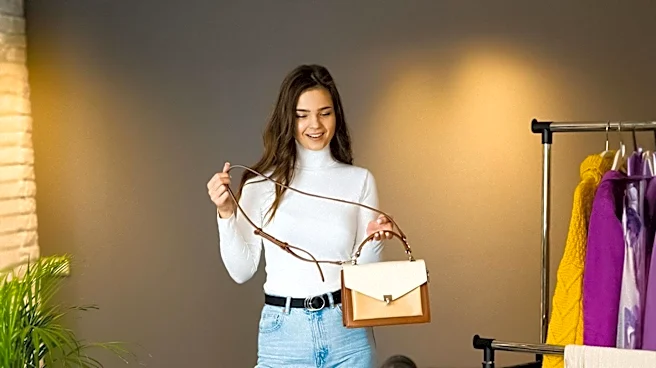
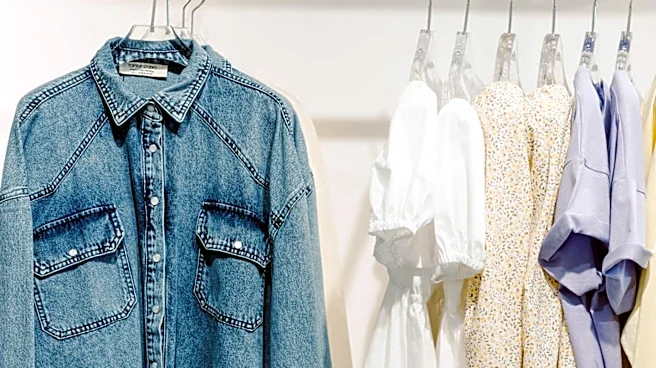
Boutique owners with frequent new inventory are encouraged to integrate their daily arrivals into a consistent social media content strategy to boost engagement and sales. The core idea is to view new products not just as inventory, but as a ready-made
content calendar. This approach helps overcome the challenge of content creation burnout and repetition. Social commerce data indicates that boutiques posting consistently (five or more times per week across platforms) achieve significantly higher engagement. Short-form video content continues to outperform static posts for reach, particularly in apparel and accessories. Additionally, email and SMS marketing, when used consistently, can contribute a substantial portion of boutique revenue, often surpassing paid advertisements for smaller resellers. The strategy emphasizes matching content types to the platforms where they perform best, such as Instagram for styling and community building, and TikTok for speed and personality.
Why It's Important?
This strategy is crucial for U.S. boutique resellers operating in a highly competitive e-commerce landscape. By transforming daily inventory into a structured content flow, businesses can maintain a dynamic online presence without constant struggle, directly impacting their sales and brand visibility. The emphasis on platform-specific content ensures that marketing efforts are optimized, reaching target demographics effectively. For instance, Instagram's visual-first format and shopping integrations are ideal for premium and luxury brands, while TikTok's viral potential caters to Gen Z and impulse purchases. This tailored approach helps businesses maximize their return on investment in social media, fostering customer loyalty and driving direct e-commerce traffic. The integration of email and SMS marketing further diversifies customer touchpoints, reducing reliance on algorithm-driven social feeds and building more direct, reliable sales channels.
What's Next?
Boutique resellers are advised to implement a weekly content framework that aligns with their inventory flow. This includes creating unboxing reels for new arrivals, styling content, social proof posts, live selling events, and behind-the-scenes glimpses. Repurposing live sale highlights into reels and using email/SMS for recaps and urgent alerts are also recommended. The strategy suggests focusing on two primary platforms where their customers are most active, treating others as secondary. For example, a typical week could involve an unboxing reel on Day 1, a styling poll on Day 2, an email roundup on Day 3, a live sale on Day 4, an SMS alert for low stock on Day 5, a customer try-on reel on Day 6, and a weekly recap post on Day 7. This systematic approach aims to build audience habits and consistent engagement.
Beyond the Headlines
The shift from viewing content creation as a separate task to an inherent part of inventory management represents a deeper evolution in retail marketing. This approach highlights the increasing importance of authenticity and speed in engaging modern consumers, particularly on platforms like TikTok where polished content is less valued than genuine, immediate updates. The strategy also underscores the growing power of direct communication channels like email and SMS, which offer a more controlled and reliable way to reach customers compared to the unpredictable nature of social media algorithms. This integrated content and inventory management system could set a new standard for small to medium-sized fashion businesses, enabling them to compete more effectively with larger retailers by fostering stronger community connections and leveraging their unique agility in bringing new products to market.