





What's Happening?
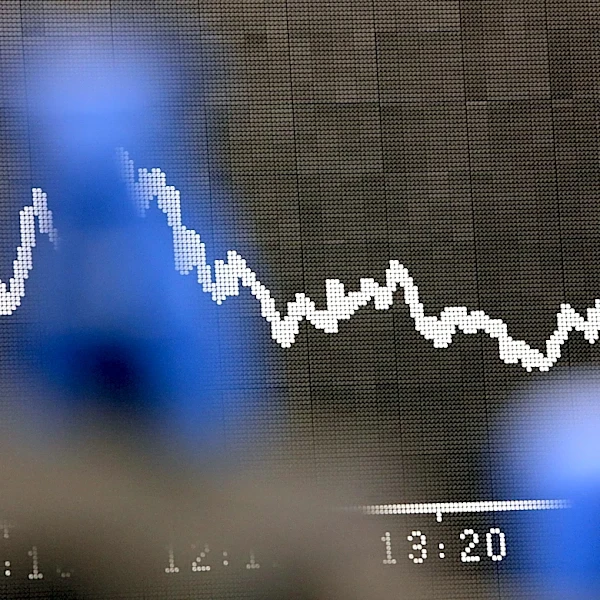
The Canadian dollar reached a 10-day high against the U.S. dollar following the release of U.S. employment data that showed a significant slowdown in job growth. In June, the U.S. added 57,000 jobs, a sharp decline from previous months and below expectations.
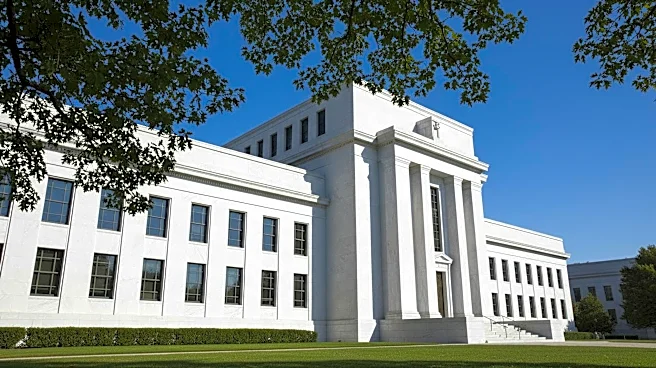
This has led financial markets to adjust their expectations for a near-term interest rate hike by the Federal Reserve. The U.S. dollar weakened against major currencies, while oil prices, a major Canadian export, rose slightly. Additionally, Canada's manufacturing sector showed growth, with the PMI increasing to 53.0 in June.
Why It's Important?
The slowdown in U.S. job growth and the subsequent impact on the Canadian dollar highlight the interconnectedness of the North American economies. A weaker U.S. dollar can benefit Canadian exports by making them more competitive. The data also influences monetary policy decisions, as the Federal Reserve may reconsider its stance on interest rates, affecting global financial markets. For Canada, the strengthening of the loonie and growth in manufacturing are positive signs, potentially boosting economic confidence and investment.
What's Next?
The Federal Reserve's upcoming decisions on interest rates will be closely monitored, as they will have significant implications for currency markets and economic policy. In Canada, continued monitoring of manufacturing growth and export performance will be essential to gauge economic resilience. Policymakers in both countries may need to adjust strategies based on these developments to support economic stability and growth.