








What's Happening?
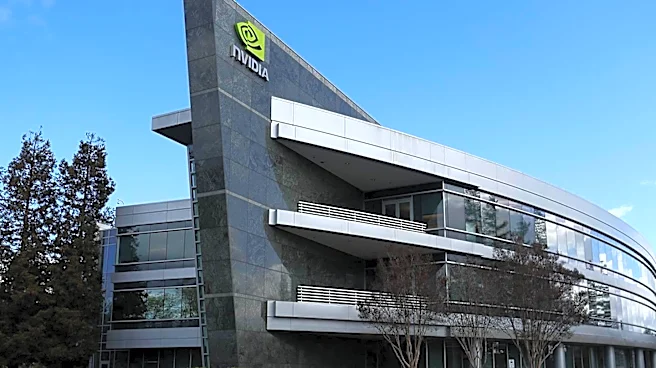
Reflection AI, a U.S.-based startup focused on developing open AI models, has entered into a $1 billion agreement with Nebius, a European AI infrastructure company. This deal will provide Reflection with access to Nvidia's latest chips, essential for
training and deploying AI models. Nebius, previously part of Russian tech giant Yandex, is expanding its reach in the AI infrastructure market. This partnership follows Reflection's recent deal with SpaceX for computing resources, highlighting the competitive race among AI firms to secure necessary computational power. Reflection, founded in 2024 by former Google DeepMind researchers, has already raised $2.6 billion from investors like Nvidia, Sequoia Capital, and Lightspeed Venture Partners. The company is valued at $8 billion and is part of a growing trend towards open-source AI models, especially as concerns about data retention and government intervention in AI development increase.
Why It's Important?
The deal between Reflection AI and Nebius underscores the increasing demand for advanced computing resources in the AI sector. As AI models become more complex, the need for powerful chips like those from Nvidia is critical. This partnership not only strengthens Reflection's position in the AI market but also highlights the strategic importance of securing computational infrastructure. The involvement of major players like Nvidia and the substantial investments reflect the high stakes in the AI industry. Additionally, the move towards open-source AI models could democratize access to AI technology, potentially reducing the dominance of closed-source models and addressing concerns about data privacy and control.
What's Next?
As Reflection AI continues to expand its capabilities with the support of Nebius and Nvidia, the company is likely to further its development of open AI models. This could lead to increased competition with other AI firms, particularly those in China, which are also advancing in open-source AI. The ongoing interest from investors and partnerships with major tech companies suggest that Reflection will continue to play a significant role in shaping the future of AI. Additionally, the broader AI industry may see more collaborations and investments as companies strive to keep pace with technological advancements and regulatory changes.
Beyond the Headlines
The partnership between Reflection AI and Nebius may have broader implications for the AI industry, particularly in terms of geopolitical dynamics. As AI technology becomes a critical component of national security and economic strategy, the involvement of international companies like Nebius could influence global AI policies. Furthermore, the shift towards open-source AI models may prompt discussions about intellectual property rights and the ethical use of AI. These developments could lead to new regulatory frameworks and industry standards aimed at balancing innovation with ethical considerations.