



What's Happening?
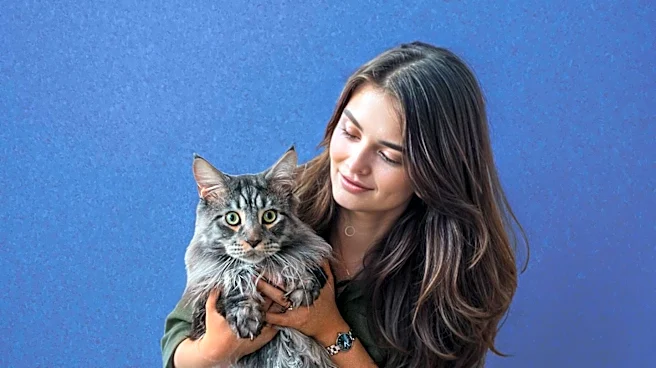
Dr. W. Chris Hummel, a veterinarian at Lovet Pet Health Care, has highlighted the potential negative effects of hugging cats, suggesting that such actions may be perceived as restrictive and stressful by the animals. While humans often view hugs as a form
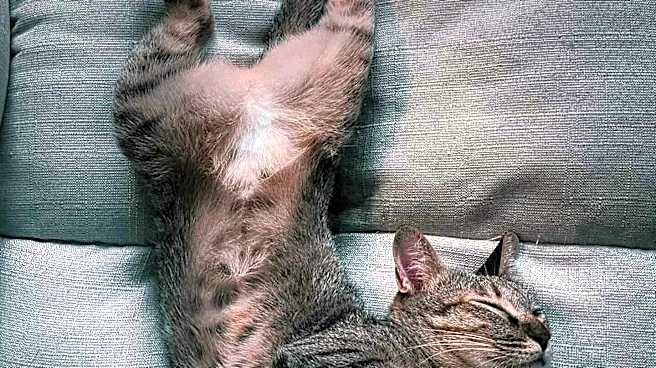
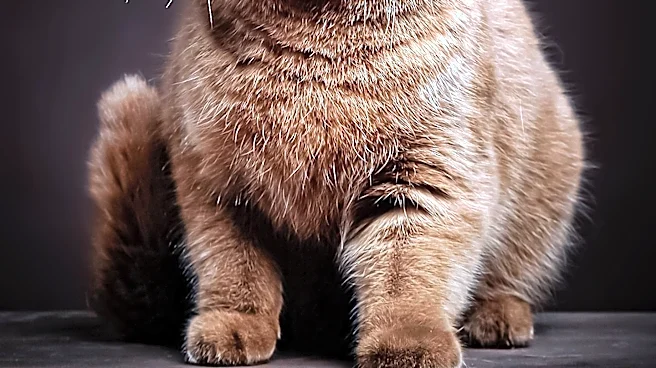
of affection, cats may interpret being held tightly as a threat, leading to discomfort or stress. This is because cats value control over their environment and rely on their ability to escape when they feel threatened. Signs that a cat may not enjoy being hugged include wiggling, hissing, swatting, tail thrashing, and biting. These behaviors are not necessarily indicative of dislike but rather a communication of the need for space. Forcing hugs on cats can damage the trust between the pet and the owner, potentially leading to avoidance or defensive reactions.
Why It's Important?
Understanding the way cats perceive human actions is crucial for pet owners to maintain a healthy and trusting relationship with their feline companions. Misinterpreting a cat's body language can lead to stress for the animal and a breakdown in the bond between the pet and the owner. By recognizing the signs of discomfort and respecting a cat's boundaries, owners can ensure their pets feel safe and secure. This understanding can also prevent behavioral issues that may arise from stress, such as hiding or aggression. The insights provided by Dr. Hummel emphasize the importance of adapting human expressions of affection to align with feline behavior, thereby fostering a more harmonious coexistence.
What's Next?
Pet owners are encouraged to observe their cats' body language closely and to find alternative ways to express affection that are more in line with feline preferences. Activities such as gentle brushing, playtime, and offering scratches around the neck and ears can help strengthen the bond without causing stress. Additionally, understanding that not all cats dislike hugs and that individual preferences vary can help owners tailor their interactions to suit their pet's personality. This approach not only enhances the pet-owner relationship but also contributes to the overall well-being of the cat.