








What's Happening?
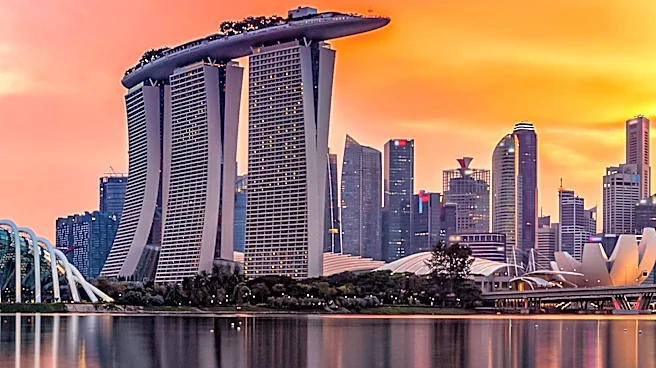
Marina Bay Sands (MBS) is moving forward with the development of a 15,000-seat arena as a central component of its US$8 billion expansion in Singapore, scheduled to open in January 2031. The venue, designed by Populous, aims to be a premier destination
for global touring artists and major events. It will feature flexible seating capacity, allowing it to operate at around 8,000 seats for smaller productions, and is being engineered for superior acoustics and production flexibility. Paul Town, Chief Operating Officer of MBS, detailed the project's scope, noting that the arena is already attracting inquiries from promoters and MICE (Meetings, Incentives, Conferences, and Exhibitions) organizers, more than four years before its scheduled opening. Patrick Dumont, Chairman and CEO of parent company Las Vegas Sands Corp, previously referred to it as "the most important live entertainment venue in the region." The project also includes extensive recruitment plans, with over 100 specialists for arena operations to be hired starting next year, aiming to address a skills gap in Singapore for roles like entertainment riggers.
Why It's Important?
This development is significant for the global entertainment industry and for Singapore's position as a major hub for tourism and live events. The new arena at Marina Bay Sands is designed to attract top-tier international artists and major sporting events, which could significantly boost tourism and MICE demand in the region. By focusing on best-in-class acoustics and production flexibility, MBS aims to create a venue that stands out globally, potentially drawing events that might otherwise go to other major cities. The substantial investment by Las Vegas Sands Corp underscores the company's long-term vision for Singapore as a key market. Furthermore, the proactive recruitment strategy for specialized technical roles highlights the complex operational requirements of such a venue and MBS's commitment to building local talent, which could have a lasting positive impact on Singapore's entertainment industry workforce.
What's Next?
The Marina Bay Sands arena is slated to open in January 2031 as part of the broader US$8 billion expansion. Recruitment for over 100 specialist roles in arena operations will commence next year, with the majority of hires expected in 2028. This phased recruitment aims to build a sustainable pipeline of locally based talent for specialized technical positions. In parallel, refurbishment of the existing MBS lobby is scheduled to begin in January and conclude by mid-2028, alongside a SkyPark revamp, all designed to enhance the overall guest experience. The ongoing construction and operational planning will continue over the next several years, with a focus on integrating the new arena seamlessly into the expanded resort complex. Promoters and event organizers will likely continue to engage with MBS as the venue progresses towards its opening, securing future bookings for major concerts and events.
Beyond the Headlines
The development of this state-of-the-art arena by Marina Bay Sands has broader implications for the competitive landscape of live entertainment in Asia. By setting a new standard for venue design and operational excellence, MBS could pressure other regional venues to upgrade their facilities and services. This could lead to an overall enhancement of the live entertainment experience across Asia, benefiting both artists and audiences. The focus on developing local talent for highly specialized roles also addresses a critical need in the entertainment industry, potentially creating a skilled workforce that can support future growth in the sector. Ethically, the project highlights the ongoing trend of integrated resorts combining luxury hospitality with world-class entertainment, raising questions about the balance between economic development and cultural impact in urban centers. The long-term success of the arena will also depend on its ability to consistently attract diverse and high-profile events, maintaining its competitive edge in a dynamic global market.