


What's Happening?
Designer Drew Michael Scott, known as Lone Fox, has partnered with West Elm to launch a new collection of vintage-inspired holiday homeware. The collaboration, which debuted recently, aims to evoke a sense of nostalgia and coziness for the fall and winter
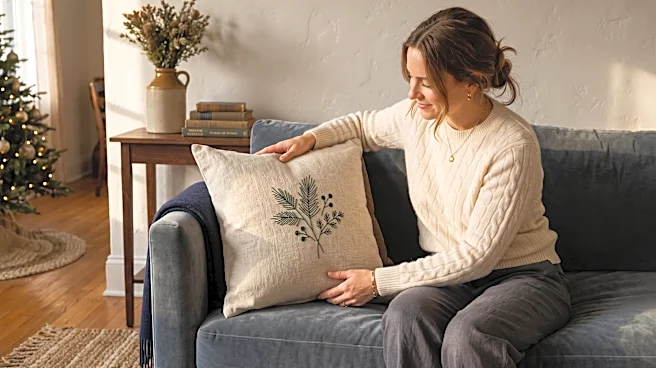
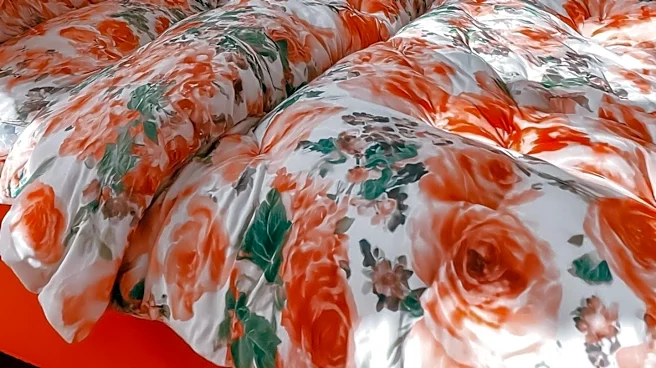
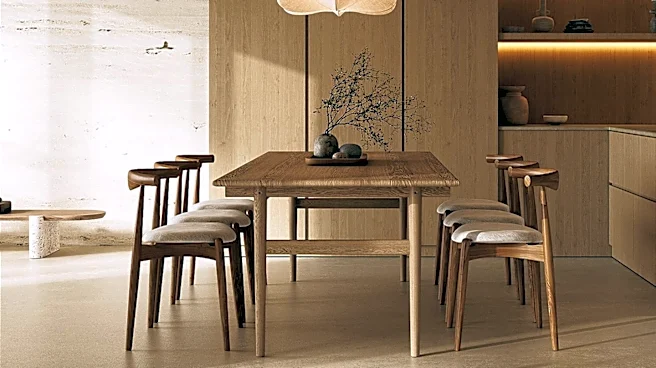
seasons. The collection features a range of items including dinnerware, throw pillows, Christmas decorations, and bedding. Scott drew inspiration from classic holiday films like 'Gilmore Girls' and 'The Holiday' to create designs that feel both familiar and timeless. The collection emphasizes warm, neutral tones and delicate, embroidered finishes, moving away from traditional bright holiday colors to ensure pieces can be used beyond the festive season. This collaboration marks a full-circle moment for Scott, who began his career as a sales associate at West Elm, where he developed his passion for interior design.
Why It's Important?
This collaboration is significant for the U.S. homeware market as it taps into a growing consumer desire for nostalgic and vintage-inspired aesthetics, particularly during the holiday season. The partnership between a popular social media influencer like Lone Fox and a major retailer like West Elm demonstrates the increasing influence of digital creators on retail trends and consumer purchasing decisions. By offering versatile, understated holiday decor, the collection caters to a broader audience seeking items that integrate seamlessly into their existing home decor and can be enjoyed for longer periods. This approach could influence other retailers to adopt similar strategies, focusing on timeless designs and influencer collaborations to meet evolving consumer preferences for sustainable and emotionally resonant products. The emphasis on 'future heirlooms' also suggests a shift towards more thoughtful consumption in the home goods sector.
What's Next?
The success of the Lone Fox x West Elm collection could lead to further collaborations between West Elm and other design influencers, potentially expanding their reach to new demographics. Other homeware brands may also observe the positive reception of this vintage-inspired, understated holiday collection and adjust their future seasonal offerings to align with these trends. Consumers can expect to see more products designed with longevity and versatility in mind, moving away from highly seasonal or trend-driven items. The collection's focus on creating 'future heirlooms' suggests a potential shift in consumer behavior towards investing in higher-quality, more meaningful home decor pieces that can be cherished for years, rather than disposable, fast-fashion home goods. This could also encourage a greater emphasis on craftsmanship and unique design elements in mass-market homeware.
Beyond the Headlines
The collaboration highlights a broader cultural trend of yearning for 'simpler times' and the comfort of nostalgia, especially during periods of uncertainty. This psychological aspect is skillfully leveraged by the collection's design, which aims to recreate the 'magic felt while growing up.' The partnership also underscores the evolving landscape of retail and design, where social media personalities are becoming powerful tastemakers, influencing product development and consumer demand. The move towards 'evergreen' holiday decor, rather than overtly 'Christmassy' items, reflects a desire for more sustainable and adaptable consumption patterns. This could signal a long-term shift in how consumers approach seasonal decorating, prioritizing versatility and personal connection over fleeting trends, and potentially reducing waste associated with single-use holiday items. The collection's success could further solidify the role of emotional resonance in product design and marketing.