






What's Happening?
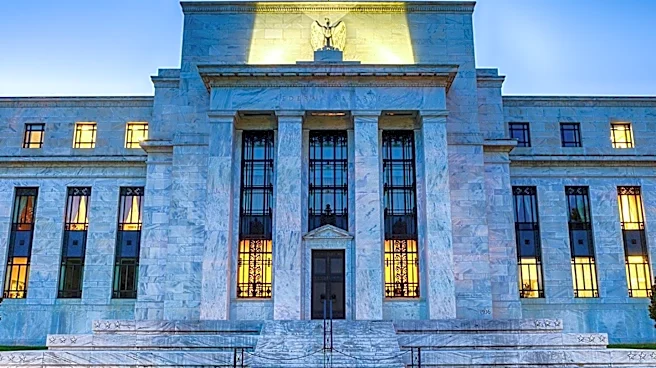
The average long-term U.S. mortgage rate has increased to 6.58%, marking the highest level in nearly a year. This rise in rates is occurring as oil prices surge due to escalating violence in Iran, which threatens to worsen inflation. The Federal Reserve's
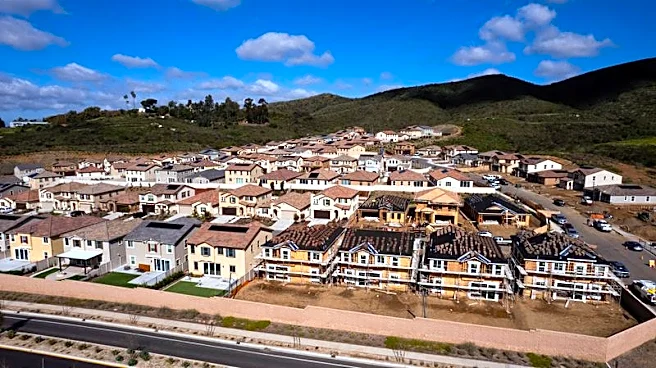
interest rate decisions, influenced by these inflationary pressures, indirectly affect mortgage rates through their impact on the 10-year Treasury yield. Despite a slight increase in home sales from January to June, the housing market remains sluggish, with sales far below historic norms.
Why It's Important?
The increase in mortgage rates is a critical factor in the ongoing housing market slump, which began in 2022. Higher borrowing costs reduce homebuyers' purchasing power, potentially leading to a slowdown in home sales and affecting the broader economy. The situation underscores the impact of international events on domestic economic conditions, particularly through the lens of inflation and interest rates. As the Federal Reserve navigates these challenges, its decisions will be closely watched by investors and the housing market.
What's Next?
The trajectory of mortgage rates will depend on developments in the geopolitical landscape and the Federal Reserve's response to inflationary pressures. If oil prices continue to rise, further rate hikes could be on the horizon, impacting the housing market and broader economic conditions. Stakeholders, including homebuyers, sellers, and policymakers, will need to adapt to these changing dynamics.