


What's Happening?
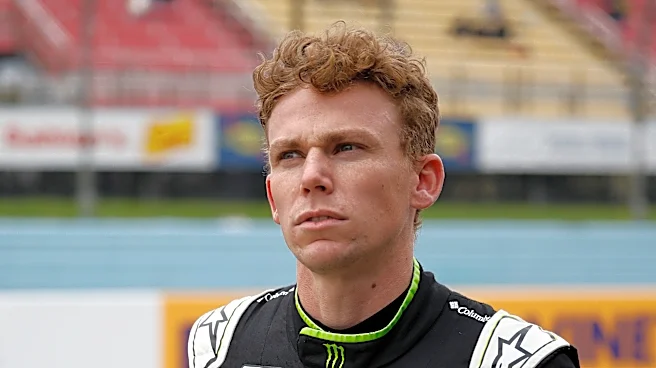
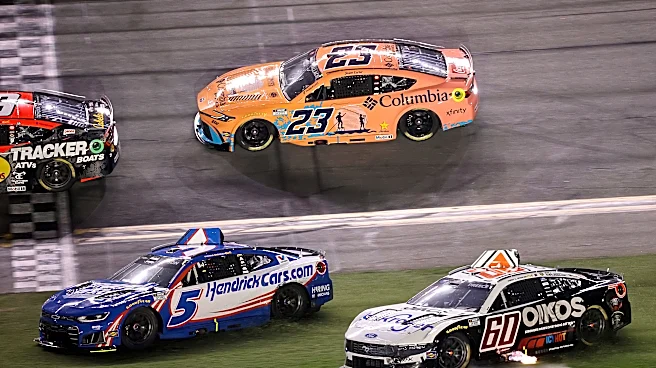
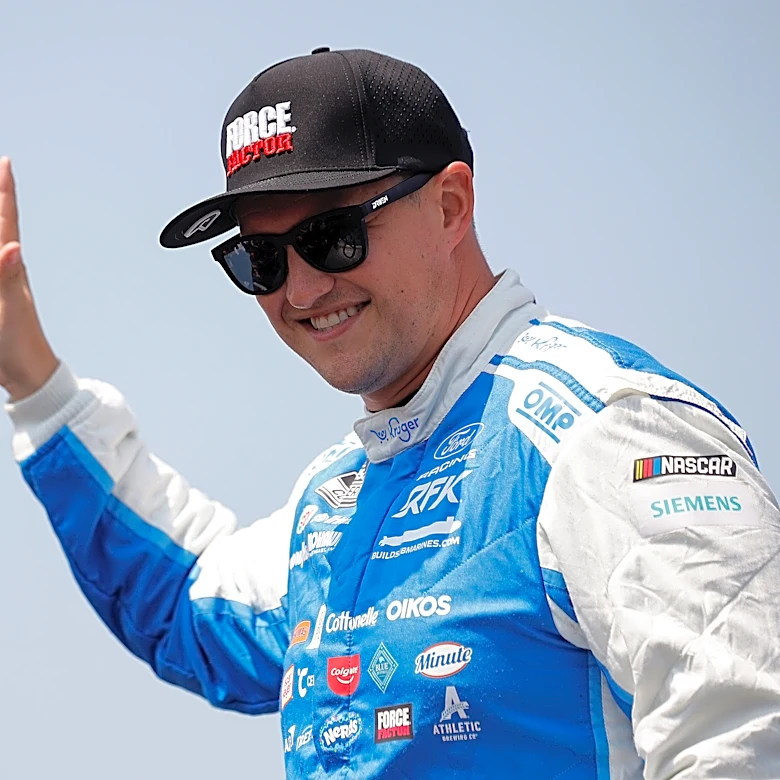
NASCAR driver Christopher Bell voiced strong dissatisfaction with the new superspeedway package implemented for the Coke Zero 400 race at Daytona International Speedway. Bell, who finished 17th in the race and is seeded sixth in the NASCAR Cup Series
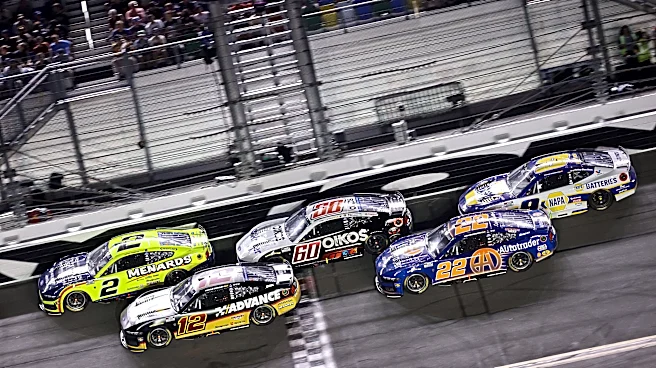
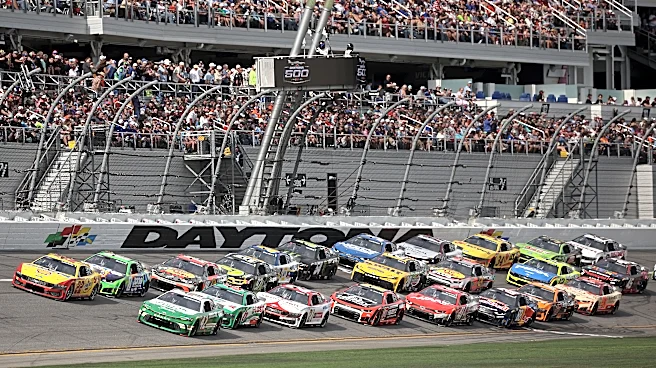
Chase, stated that the new package was 'arguably worse' due to a lower pace. The changes introduced by NASCAR included reducing the spoiler from 7 to 4 inches and decreasing engine horsepower from 510 to 465. These modifications were intended to reduce fuel-saving strategies and promote more competitive racing by scattering cars across the track, preventing them from being gridlocked in two main packs. However, Bell felt that the race did not differ significantly from previous events, and the lower pace, combined with fuel mileage and stage lengths, made the experience worse. Other drivers had mixed reactions, with some finding the package an improvement and others, like Erik Jones, stating that passing remained difficult and cars drove 'terrible.'
Why It's Important?
The mixed reactions to NASCAR's new superspeedway package highlight the ongoing challenge of balancing competitive racing with driver safety and strategic elements in motorsports. Christopher Bell's prominent criticism, particularly his assertion that the package led to a 'lower pace,' suggests that the intended outcome of more dynamic and less predictable racing may not have been fully achieved. This is significant for NASCAR as it continuously seeks to enhance the fan experience and maintain the integrity of its races. If top drivers like Bell find the changes detrimental, it could impact future policy decisions regarding car specifications and race formats. The debate also underscores the complexity of engineering changes in a sport where minor adjustments can have substantial effects on performance, strategy, and driver perception. The success or failure of such packages directly influences the sport's appeal to both participants and its extensive fan base, potentially affecting viewership and sponsorship.
What's Next?
Following the mixed feedback from drivers, NASCAR will likely review the performance of the new superspeedway package. While the changes were initially implemented for the Coke Zero Sugar 400, there was an expectation that, barring major issues, the package would be used again at Talladega in October. Drivers like Daniel Suarez have expressed a desire for the package to return, while Erik Jones suggested going 'back to the drawing board.' Austin Cindric recommended observing the package in a few more races to fully understand its impact, particularly concerning fuel-saving tactics. NASCAR's next steps will involve analyzing race data, driver feedback, and fan reception to determine whether to retain, modify, or discard the current superspeedway package for future events, especially for the upcoming race at Talladega. This evaluation will be crucial for shaping the competitive landscape of future NASCAR Cup Series races.
Beyond the Headlines
The divergent opinions among NASCAR drivers regarding the new superspeedway package reveal a deeper tension within the sport: the balance between tradition and innovation. While NASCAR aims to evolve and improve the racing product, changes often face scrutiny from veterans who are accustomed to certain car dynamics and race strategies. Christopher Bell's disappointment, specifically citing a 'lower pace,' touches upon the core excitement factor for many fans—high-speed, aggressive racing. If new regulations inadvertently slow down the action or make passing more difficult, it could diminish the spectacle that draws millions of viewers. This situation also highlights the intricate relationship between engineering, driver skill, and race strategy, where modifications intended to address one aspect (e.g., fuel saving) can have unintended consequences on others (e.g., overall pace and passing opportunities). The ongoing experimentation with car packages reflects NASCAR's continuous effort to optimize the sport for both competition and entertainment, a challenge that requires careful consideration of all stakeholder perspectives.