





What's Happening?
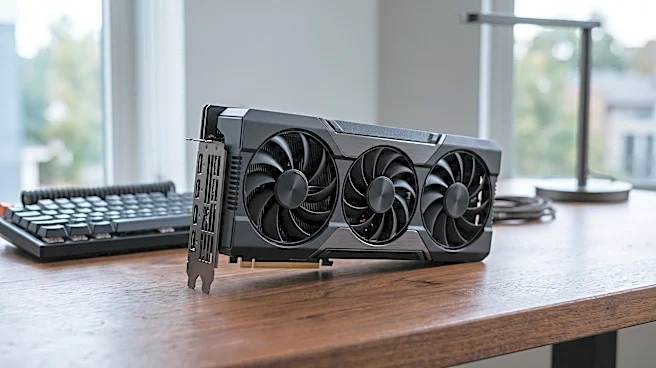
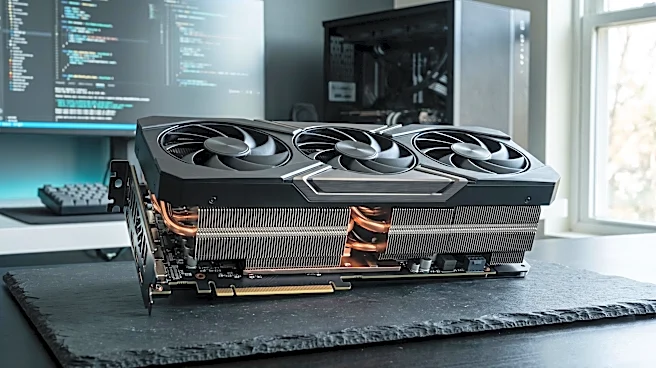
Dr. Lisa Su, CEO of AMD, participated in the grand opening of Micro Center's new store in Austin, Texas. During the event, Dr. Su interacted with gamers, signed a Gigabyte Radeon RX 9070 XT GPU, and AMD distributed 300 swag bags. This appearance comes
as AMD has increasingly emphasized its 'data-center-first' strategy since 2024, a stance reiterated by Dr. Su in recent interviews. This shift has reportedly caused some frustration among the gaming community, who feel overlooked as companies like AMD and Nvidia prioritize more lucrative AI hardware. The event in Austin, home to one of AMD's largest hubs, is seen by some as an effort to reconnect with the gaming segment, though it was likely a planned and organic event given the location.
Why It's Important?
This event highlights a significant tension within the U.S. technology industry: the balancing act between catering to traditional consumer markets, like PC gaming, and pursuing highly profitable emerging sectors, such as AI and data centers. For AMD, a major U.S. semiconductor company, its strategic pivot towards data centers reflects a broader industry trend driven by the immense demand for AI computing infrastructure. While this shift promises substantial financial gains and strengthens the U.S.'s position in advanced computing, it risks alienating a loyal customer base. The engagement at Micro Center suggests AMD recognizes the importance of maintaining goodwill with the gaming community, which has historically been a crucial segment for GPU sales and brand loyalty. This dynamic impacts consumer sentiment, market diversification strategies, and the long-term brand perception of leading tech firms.
What's Next?
AMD will likely continue to navigate the balance between its data-center-first strategy and its commitment to the gaming community. While the financial incentives for AI hardware are substantial, maintaining a presence and positive relationship with gamers could be crucial for long-term brand health and market diversification. Future product releases and marketing efforts will reveal how AMD plans to address the concerns of its gaming audience while simultaneously expanding its footprint in the AI and data center markets. The company may seek to demonstrate that its advancements in data center technology can also translate into benefits for consumer-grade products, or it might develop distinct strategies for each market segment to avoid further alienation.
Beyond the Headlines
The narrative surrounding AMD's strategic shift and its engagement with the gaming community touches upon broader themes of corporate responsibility and market evolution. As technology companies increasingly focus on high-growth, high-profit sectors like AI, there's a potential for traditional consumer segments to feel neglected. This raises questions about how companies manage stakeholder expectations across diverse markets and whether a 'data-center-first' approach can coexist harmoniously with consumer-facing product lines. The event also subtly underscores the cultural significance of gaming in the U.S., where hardware choices are often deeply personal and tied to community identity. The long-term implications could include a redefinition of brand loyalty in the tech sector, as consumers weigh corporate strategy against product availability and perceived value.