






What's Happening?
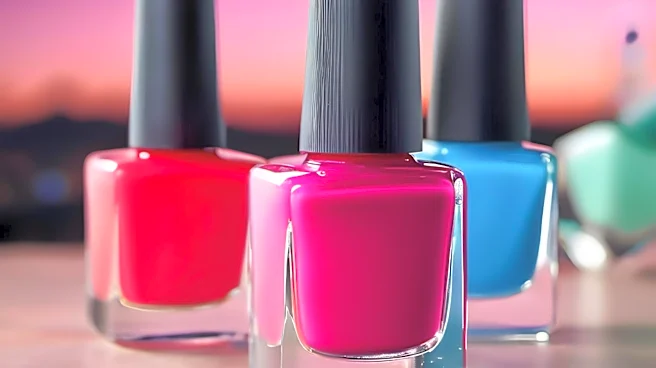
The European Union has implemented a ban on trimethylbenzoyl diphenylphosphine oxide (TPO) in cosmetic products, including gel nail polish, effective September 1, 2025. Great Britain will follow suit with a similar prohibition starting August 2026, preventing
manufacturers and importers from introducing new TPO-containing cosmetics to the market. TPO is a chemical used in gel nail polish to facilitate quick and even curing under UV or LED lamps. The decision to ban TPO stems from its classification as a skin sensitizer and a Category 1B reproductive toxicant, meaning it is presumed to be capable of damaging fertility, based on animal studies. While this classification does not definitively prove harm to human fertility from gel manicures, it has prompted regulatory action due to the potential hazard. The risk associated with TPO exposure in manicures depends on factors such as concentration, skin contact, absorption, frequency, and duration of exposure.
Why It's Important?
This ban signifies a proactive regulatory approach to cosmetic ingredient safety, prioritizing potential health risks even when direct human fertility harm is not conclusively proven. For consumers, it means a shift towards potentially safer gel nail products, reducing exposure to a substance identified as a reproductive toxicant and skin sensitizer. The cosmetic industry, particularly manufacturers and salons operating in or importing to the EU and Great Britain, will need to reformulate products to comply with the new regulations. This could lead to increased research and development into alternative photoinitiators for gel nail polishes. The move also highlights the ongoing debate and evolving understanding of chemical safety in everyday products, potentially influencing regulatory bodies in other regions to review similar ingredients. It underscores the importance of distinguishing between 'hazard' (what a substance can do) and 'risk' (the likelihood of harm based on exposure).
What's Next?
As the September 2025 deadline approaches for the European Union and August 2026 for Great Britain, manufacturers of gel nail polishes will need to ensure their products are TPO-free to remain compliant. This will likely involve reformulating existing product lines and developing new ones that utilize alternative photoinitiators. Nail salons and professional technicians in these regions will need to transition to using TPO-free products. Consumers may see increased marketing of 'TPO-free' gel nail polishes as brands adapt to the new regulatory landscape and emphasize product safety. The regulatory actions in Europe and Great Britain could also prompt other countries, including the United States, to re-evaluate the safety of TPO and similar chemicals in cosmetics, potentially leading to broader international changes in ingredient regulations.
Beyond the Headlines
The ban on TPO in gel nail polish reflects a broader trend in consumer product safety regulations, where precautionary principles are increasingly applied to chemicals with potential long-term health implications. This development could spur innovation in the beauty industry, encouraging the development of 'cleaner' and more biologically inert cosmetic ingredients. It also raises awareness among consumers about the chemical composition of beauty products and the potential risks associated with certain ingredients, fostering a demand for greater transparency and safer alternatives. The regulatory divergence between regions, such as the EU/UK and potentially the US, could create complexities for global cosmetic brands, necessitating different product formulations for different markets. This situation underscores the continuous challenge of balancing cosmetic efficacy with consumer safety and the evolving scientific understanding of chemical toxicology.