






What's Happening?
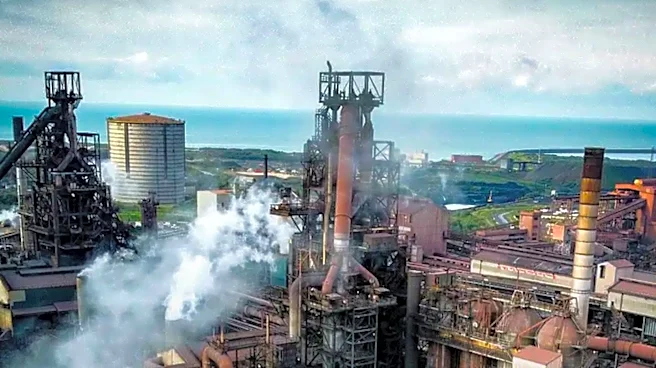
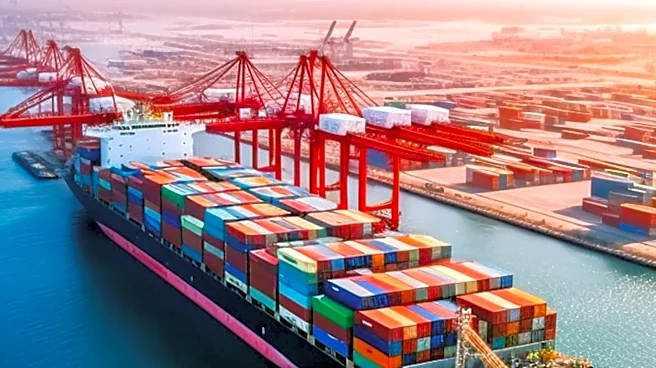
The U.S. is considering imposing a new 12.5% tariff on South African exports, which could significantly impact companies involved in this trade route, particularly in the mining and automotive sectors. Companies like Sibanye Stillwater, a South African precious
metals group, and Ford Motor Company, a global automaker, are directly exposed to these potential tariffs. Sibanye Stillwater, which generates substantial revenue from its South African operations, could face increased pressure on its platinum and palladium markets. Meanwhile, Ford, which is already dealing with challenges in its electric vehicle (EV) segment and quality issues, may see additional strain from these tariffs. Anglo American, another major mining group, is also at risk as it navigates losses and debt while trying to pivot towards copper and premium iron ore.
Why It's Important?
The imposition of these tariffs could have far-reaching implications for the U.S. and global markets. For the mining sector, companies like Sibanye Stillwater and Anglo American may experience reduced demand and increased costs, potentially affecting their profitability and market valuations. The automotive industry, represented by Ford, could face higher production costs and supply chain disruptions, complicating its efforts to transition to EVs and maintain competitiveness. These tariffs could also strain U.S.-South Africa trade relations, impacting a wide range of industries beyond mining and automotive, including agriculture and consumer goods. Investors and stakeholders in these sectors must consider the potential for increased volatility and strategic shifts in response to these policy changes.
What's Next?
If the tariffs are implemented, companies will need to reassess their supply chains and cost structures to mitigate the impact. Mining companies may seek alternative markets or adjust their production strategies, while automotive manufacturers like Ford might accelerate their cost-cutting measures and EV development plans. Policymakers and industry leaders will likely engage in negotiations to address these trade tensions, potentially leading to adjustments in tariff rates or exemptions for certain products. The situation will require close monitoring as it evolves, with potential implications for global trade dynamics and economic policies.