






What's Happening?
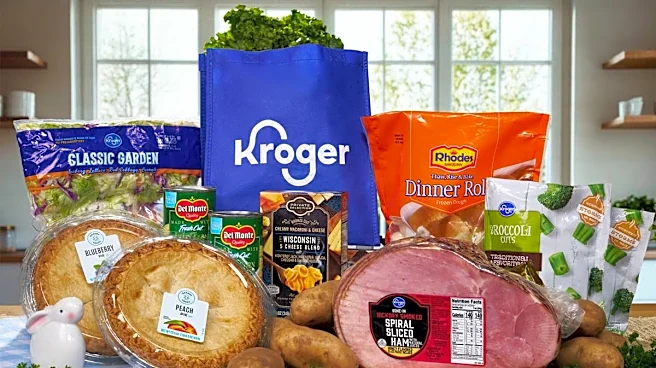
Edible Garden, a company specializing in fresh herbs, has secured a holiday program with Kroger, one of the largest grocery retailers in the United States. This initiative will supply Kroger stores with fresh herbs from Thanksgiving through the New Year
holiday season. This agreement marks a significant expansion for Edible Garden, further solidifying its presence with major national retailers. The program will leverage Edible Garden's Heartland operation in Grand Rapids, Michigan, which was strategically established to serve retailers across the Midwest. According to Jim Kras, Chief Executive Officer of Edible Garden, this program is a substantial commercial win and demonstrates retailers' confidence in the company's ability to deliver high-quality herbs at scale during periods of high demand. The holiday season is a critical period for fresh herb sales, with increased demand for culinary ingredients like rosemary, sage, thyme, parsley, and poultry-blend herbs due to holiday cooking. This Kroger program, combined with previously announced holiday initiatives with Walmart and Target, positions Edible Garden to capitalize on this seasonal surge in demand.
Why It's Important?
This partnership is important for Edible Garden as it significantly strengthens its market position within the competitive fresh herb sector, particularly during a peak sales period. Securing a program with a major retailer like Kroger validates Edible Garden's investment in regional production and distribution capabilities, such as its Heartland facility. This move is expected to increase the utilization of the Grand Rapids facility, enhance Edible Garden's presence in the Midwest, and support its 'Zero-Waste Inspired' mission by bringing locally grown products closer to consumers. For Kroger, the collaboration ensures a reliable supply of fresh, high-quality herbs during a critical time when consumer demand for culinary ingredients is at its highest. This can help Kroger meet customer expectations for fresh produce and potentially boost its holiday season sales. The broader implication for the U.S. grocery market is a continued trend towards regional sourcing and partnerships that emphasize freshness and sustainability, as retailers seek to optimize their supply chains and cater to consumer preferences for locally sourced goods.
What's Next?
Following the successful implementation of this holiday program, Edible Garden will likely focus on leveraging the increased visibility and operational efficiency gained from its partnership with Kroger. The company may seek to convert this seasonal program into a year-round supply agreement, further solidifying its relationship with Kroger and expanding its product offerings within the retailer's stores. Edible Garden will also aim to replicate this success with other major national retailers, using the Kroger deal as a testament to its capabilities. The increased utilization of its Heartland facility could lead to further investments in expanding production capacity or optimizing logistics to meet growing demand. For consumers, this could mean greater availability of fresh, locally sourced herbs in grocery stores, particularly in the Midwest. The success of such programs may also encourage other fresh produce suppliers to invest in regional distribution networks, potentially leading to a more decentralized and resilient food supply chain across the U.S.
Beyond the Headlines
This development highlights a broader shift in the U.S. food industry towards more localized and sustainable supply chains. Edible Garden's 'Zero-Waste Inspired' mission, coupled with its regional production strategy, aligns with growing consumer demand for environmentally conscious and locally sourced products. This trend could lead to increased investment in controlled environment agriculture (CEA) and other innovative farming methods that reduce transportation costs and environmental impact. The emphasis on regional facilities like the Heartland operation in Michigan suggests a move away from centralized, long-distance distribution models, which can be vulnerable to disruptions. This localized approach not only enhances freshness but also supports regional economies by creating jobs and fostering agricultural development. Furthermore, as consumers become more discerning about the origin and quality of their food, retailers are increasingly prioritizing partnerships with suppliers who can demonstrate transparency and adherence to sustainable practices, making such collaborations a competitive advantage in the evolving grocery landscape.