


What's Happening?
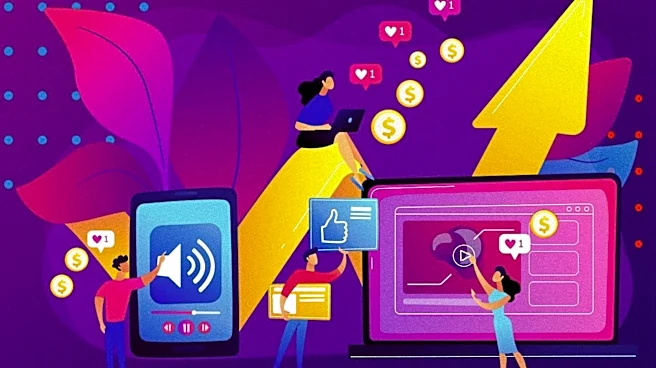
Meditation applications are increasingly utilizing influencer marketing strategies to attract new users, primarily by driving free trial subscriptions. This approach is crucial for apps operating on a freemium model, where the goal is to convert free trial users into
paid subscribers, typically after a 3-7 day or 30-day trial period. Unlike traditional product marketing focused on single purchases, these campaigns are optimized for app installs and trial activations, with subsequent conversion to paid subscriptions tracked via mobile measurement platforms. Effective campaigns often feature influencers sharing personal testimonies about stress, anxiety, or sleep challenges, demonstrating the app's interface and specific content categories (like sleep meditations or breathing exercises), and including a clear call to action with a promo code or referral link for a free trial. TikTok is emerging as a significant channel for meditation apps, particularly for content related to breathwork and quick mental health tips, appealing to a younger demographic (18-28) that has historically been underserved by these apps.
Why It's Important?
This marketing shift highlights a growing trend in the digital health and wellness industry, where personal endorsement and relatable content are becoming key drivers for user acquisition. For meditation app companies, this strategy offers a cost-effective way to reach targeted audiences and build trust, as influencers' personal stories resonate deeply with potential users facing similar challenges. The emphasis on free trials lowers the barrier to entry, encouraging wider adoption of mental wellness tools. The rise of TikTok as a platform for these campaigns also signifies a strategic move to engage younger demographics, potentially expanding the market for meditation apps beyond their traditional 28-45 age range. This could lead to increased competition among apps to secure influential creators and develop engaging, short-form content, ultimately shaping how mental health resources are consumed and marketed in the digital age.
What's Next?
The continued evolution of influencer marketing for meditation apps is expected to see more sophisticated tracking and optimization methods to measure the return on investment for influencer partnerships. Brands will likely invest further in long-term creator relationships, as these have proven to build greater credibility and drive sustained engagement compared to one-off placements. The focus on platforms like TikTok suggests an ongoing effort to capture younger audiences, which may lead to the development of new content formats and app features tailored to this demographic's preferences for quick, accessible mental health support. Additionally, the industry may see an increase in hybrid deal structures for influencers, combining flat fees with performance-based incentives (CPA per install), to align brand costs directly with measurable results and foster more effective collaborations.
Beyond the Headlines
The reliance on influencer marketing for meditation apps raises broader questions about the commercialization of mental wellness and the authenticity of endorsements. While personal testimonies can be powerful, the line between genuine experience and paid promotion can blur, potentially influencing user trust. The accessibility of meditation apps through free trials and influencer campaigns democratizes mental health resources, making them available to a wider audience. However, it also places a greater responsibility on app developers and influencers to ensure the content is genuinely beneficial and not merely a marketing ploy. This trend could also lead to a greater integration of mindfulness practices into daily digital routines, potentially normalizing mental health discussions and self-care in mainstream culture, but also risking the oversimplification of complex mental health needs.