






What's Happening?
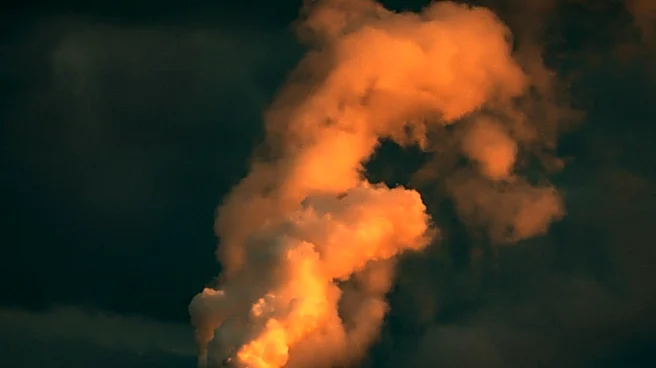
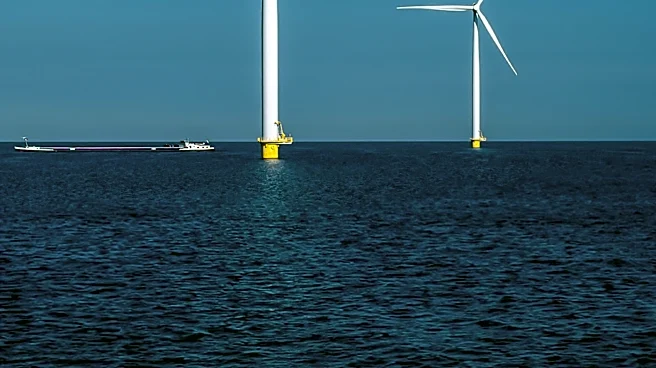
A fire was reported on a wind turbine at Ørsted’s Greater Changhua 4 offshore wind farm in Taiwan on August 8. The turbine's system detected an abnormal condition, leading to an automatic shutdown. The wind farm team observed the fire shortly after the automatic trip
and successfully extinguished it. No personnel were injured during the incident. Following the event, the affected turbine was taken out of service and disconnected from the transmission system as a safety measure. A safety exclusion zone has been established around the turbine, which remains shut down. Ørsted has informed relevant authorities and stakeholders and is working with Siemens Gamesa on monitoring and repairs. The company emphasizes that offshore wind farms are designed with multiple layers of safety protection and equipment isolation mechanisms, allowing individual equipment to be stopped and isolated immediately to prevent incidents from affecting other turbines or the overall wind farm operation. Taiwanese media reported that Taiwan’s Energy Administration was notified by Ørsted around 07:00 on August 8, confirming the damage was limited to the turbine and there were no injuries. The authority has requested Ørsted to determine the cause and implement necessary repairs.
Why It's Important?
This incident highlights the operational challenges and safety protocols within the rapidly expanding offshore wind energy sector. While the fire was contained and no injuries occurred, it underscores the importance of robust safety systems and rapid response mechanisms in large-scale renewable energy infrastructure. For the U.S. offshore wind industry, which is still in its nascent stages, such events provide valuable lessons in risk management, turbine design, and emergency preparedness. The U.S. is investing heavily in offshore wind as a key component of its clean energy transition, and the reliability and safety of these projects are paramount for public acceptance and continued investment. Incidents like this, even in international waters, can influence public perception and regulatory scrutiny of similar projects planned for U.S. coasts. Ensuring the integrity and safety of offshore wind turbines is crucial for maintaining investor confidence and accelerating the deployment of this technology to meet national energy goals and combat climate change.
What's Next?
Ørsted is currently conducting a professional investigation to determine the exact cause of the turbine fire. The company will continue to collaborate with Siemens Gamesa for ongoing monitoring and repairs of the affected turbine. The findings from this investigation will likely inform future safety protocols and design improvements for offshore wind turbines, potentially influencing industry standards globally, including in the U.S. The Taiwanese Energy Administration has requested Ørsted to provide a detailed report on the incident and outline the necessary repair plans. Depending on the investigation's outcome, there could be broader implications for turbine manufacturers and offshore wind farm operators regarding maintenance schedules, component inspections, and emergency response training. The incident may also lead to increased scrutiny from regulatory bodies in other countries, including the U.S., as they develop and implement their own offshore wind projects.
Beyond the Headlines
The turbine fire, while localized, touches upon broader themes concerning the industrialization of renewable energy and its inherent risks. As the world transitions to cleaner energy sources, the scale and complexity of projects like offshore wind farms introduce new challenges that require continuous innovation in engineering, safety, and environmental management. This event could prompt a deeper examination of supply chain resilience and the reliability of components used in offshore wind infrastructure, particularly given the harsh marine environments they operate in. Furthermore, it emphasizes the need for transparent communication from energy companies regarding operational incidents to maintain public trust and ensure stakeholder confidence in the long-term viability of renewable energy projects. The incident also serves as a reminder that even advanced technologies require rigorous oversight and adaptive safety measures to mitigate unforeseen risks, fostering a culture of continuous improvement in the renewable energy sector.