






What's Happening?
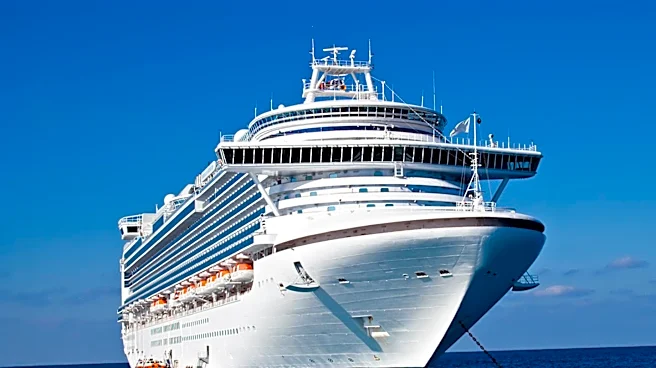
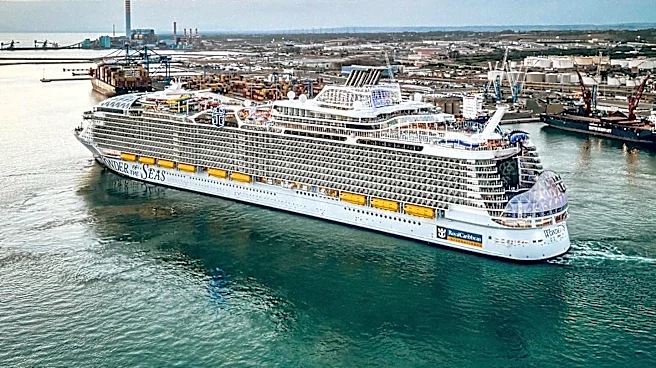
Royal Caribbean's newest megaship, Legend of the Seas, is making its U.S. debut with sailings from Fort Lauderdale, Florida. Passengers are boarding the vessel at Port Everglades for a pre-inaugural three-night trip to the Bahamas, ahead of its previously
announced November 11 inaugural voyage. This early departure offers travelers an initial opportunity to experience the Icon Class ship. The sailing includes a stop at Royal Caribbean's private island destination, Perfect Day at CocoCay, followed by a day at sea before returning to Fort Lauderdale on November 11. Legend of the Seas, along with its two sister vessels, Icon of the Seas and Star of the Seas, holds the title of the world's largest cruise ship, weighing 248,633 gross tons. It can accommodate up to 7,600 passengers and approximately 2,350 crew members. The ship features eight neighborhoods, seven pools, and various family-friendly attractions, including the Category 6 water park, and introduces new experiences like the Hollywood-themed Hollywoodland Supper Club.
Why It's Important?
The U.S. debut of Royal Caribbean's Legend of the Seas signifies a significant development for the U.S. cruise industry and the tourism sector, particularly in Florida. As one of the world's largest cruise ships, its presence is expected to boost local economies through increased passenger traffic, port activities, and related services. The introduction of such a large vessel also reflects a strong consumer demand for cruise travel, indicating a robust recovery and expansion within the leisure industry. For travelers, it offers more options for large-scale, amenity-rich cruise experiences, potentially driving competition among cruise lines to enhance offerings. The ship's itineraries, including stops at private islands and various Caribbean destinations, reinforce the Caribbean's status as a premier cruise region for U.S. tourists. This event underscores the continued investment and innovation within the cruise sector, aiming to attract a broad demographic of vacationers.
What's Next?
Following its initial Bahamas sailings, Legend of the Seas will operate six- to eight-night itineraries from Fort Lauderdale to various Western and Southern Caribbean destinations. These routes will include ports of call in locations such as Aruba, Curacao, Puerto Rico, the Dominican Republic, and Mexico, with every sailing also visiting Perfect Day at CocoCay. Rates for these trips will vary based on itinerary, room type, and travel dates, with six-night trips starting around $1,000 per person and eight-night trips around $1,400. The ship's deployment in the U.S. market is expected to continue throughout its Caribbean season, providing a consistent schedule of voyages for passengers departing from Florida. The success of these initial sailings and the overall reception of the Legend of the Seas will likely influence future deployment strategies for Royal Caribbean's other Icon Class vessels and potentially inspire further innovations in cruise ship design and onboard experiences.
Beyond the Headlines
The launch of megaships like Legend of the Seas reflects a broader trend in the cruise industry towards larger, more amenity-rich vessels designed to be destinations in themselves. This strategy aims to attract a wider range of travelers, including families and those seeking diverse entertainment options onboard. The emphasis on 'neighborhoods' and extensive recreational facilities suggests a shift from traditional cruise models, where ports of call were the primary draw, to an experience where the ship itself is a major attraction. This could have long-term implications for port cities, as cruise lines might prioritize ports that can handle larger ships and offer seamless passenger experiences. Furthermore, the environmental impact of such large vessels remains a topic of ongoing discussion, with cruise lines increasingly investing in technologies to reduce their ecological footprint. The success of Legend of the Seas will be closely watched as an indicator of consumer preferences and industry direction in the evolving landscape of global tourism.