



What's Happening?
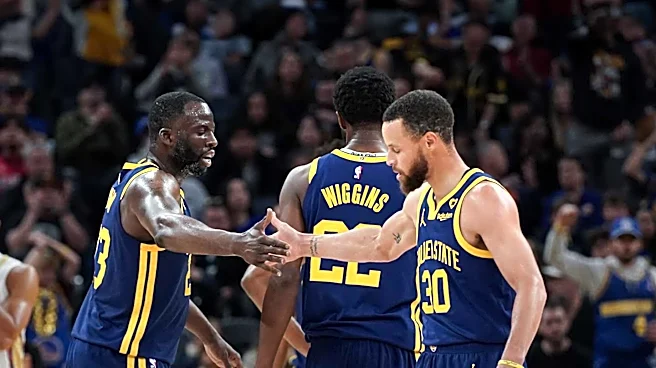
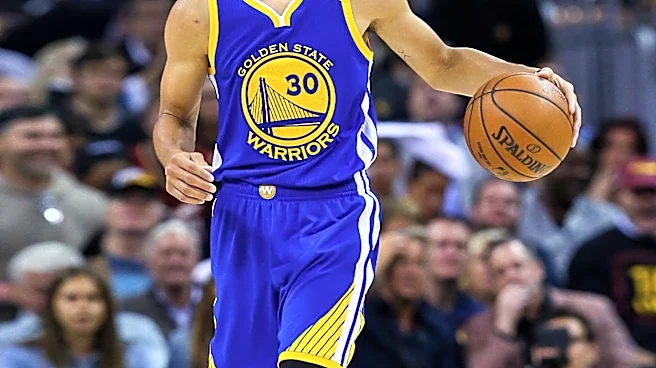
Golden State Warriors owner Joe Lacob has emphatically dismissed recent trade rumors surrounding star player Stephen Curry. Lacob, in an appearance on 'The TK Show' podcast, stated that the speculation is 'clickbait' and not reflective of the team's or Curry's
intentions. General Manager Mike Dunleavy Jr. previously confirmed in August that Curry desires to conclude his career with the Warriors. Reports from NBC Sports and Reuters corroborate that there has been no indication from Curry about wanting to leave the franchise. Both the Warriors organization and Curry remain open to discussing a contract extension. Curry is eligible to sign a two-year extension worth approximately $136.7 million on August 29. Despite this, ESPN's Brian Windhorst has suggested that Curry might consider delaying the extension to allow the Warriors to accrue significant salary cap space, potentially over $100 million, for the following summer, which could be used to attract other star players.
Why It's Important?
The dismissal of Stephen Curry trade rumors by Warriors owner Joe Lacob is significant for several reasons. Firstly, it reaffirms the franchise's commitment to its cornerstone player, which is crucial for team stability and fan morale. Curry's potential contract extension, whether signed now or later, will shape the team's financial flexibility and roster construction for years to come. If Curry were to delay his extension, as suggested by ESPN's Brian Windhorst, it could provide the Warriors with substantial cap space, enabling them to pursue high-caliber free agents and potentially extend their championship window. This strategy, however, carries inherent risks, as it would leave Curry's long-term future with the team less certain for a period. The situation highlights the complex interplay between player loyalty, team financial strategy, and the pursuit of competitive advantage in the NBA. For the Warriors, retaining Curry is not just about on-court performance but also about maintaining their brand identity and market appeal.
What's Next?
Stephen Curry becomes eligible to sign a two-year contract extension with the Golden State Warriors on August 29, valued at approximately $136.7 million. The immediate next step will be to observe whether Curry and the Warriors proceed with this extension or if Curry opts to delay signing, as suggested by ESPN's Brian Windhorst. A delay would allow the team to potentially free up over $100 million in salary cap space for the subsequent summer, which could be utilized to attract other star players. This decision will have significant implications for the Warriors' roster strategy and their ability to remain competitive in the coming seasons. Regardless of the timing of the extension, both parties have expressed a mutual desire for Curry to finish his career with the Golden State Warriors, indicating that a long-term agreement is highly probable.
Beyond the Headlines
The ongoing discussion around Stephen Curry's contract and potential trade rumors, despite official denials, underscores a broader trend in professional sports where player contracts and team financial strategies are increasingly scrutinized. The suggestion by ESPN's Brian Windhorst for Curry to delay his extension, while potentially beneficial for the team's cap space, also highlights the evolving dynamics of player empowerment and financial engineering in the NBA. This scenario reflects a shift where even franchise players might consider short-term contract decisions to maximize team flexibility, rather than immediately securing long-term financial guarantees. It also brings into focus the tension between maintaining a championship-contending roster and managing the escalating costs associated with star players under the league's collective bargaining agreement. The outcome of Curry's contract situation could set a precedent for how other star players and teams approach extensions in an increasingly complex financial landscape.