





What's Happening?
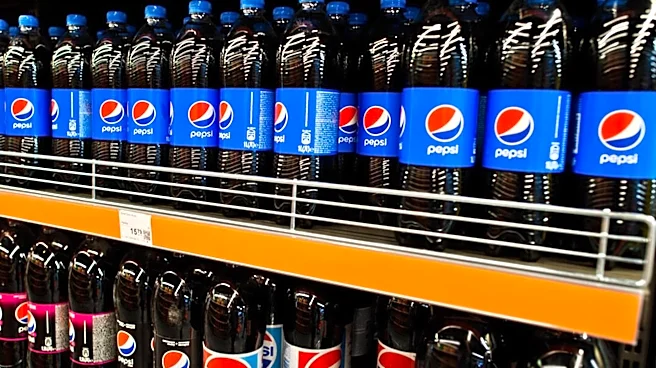
PepsiCo (PEP) experienced a significant stock rally of approximately 13.4% over the last 30 days, climbing from around $125.65 to $142.48. This recovery follows the company's third-quarter earnings report on October 8, where it surpassed Wall Street expectations.
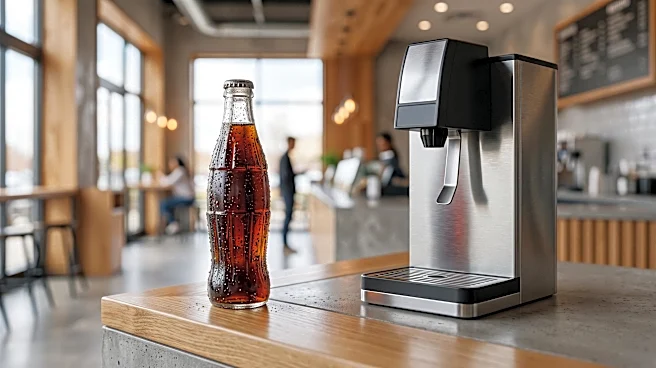
PepsiCo reported adjusted earnings of $2.34 per share and revenue of $25.27 billion, both exceeding consensus estimates. Organic revenue growth accelerated to 3.1%, marking its fastest pace since late 2023. Despite lowering its full-year profit outlook due to higher input costs and margin pressure, the stock initially climbed 3.73% on the day of the earnings release. A key factor in the sustained recovery was the announcement of an 11-year extension of its beverage partnership with Taco Bell in late October, which helped mitigate the earlier loss of the KFC account to Coca-Cola. The stock had previously touched a 52-week low near $123.47 in early October before this steady climb.
Why It's Important?
This rally is significant as PepsiCo's performance offers a broad indicator of consumer spending, pricing power, and volume trends within the global packaged-food and beverage industry. The company's ability to exceed earnings and revenue estimates, even while facing cost pressures, demonstrates resilience in its core business segments. The extension of the Taco Bell partnership is crucial for maintaining PepsiCo's strong presence in the restaurant channel, a vital distribution avenue. Conversely, the loss of the KFC account highlights the intense competitive landscape with rivals like Coca-Cola. Investors closely monitor PepsiCo due to its diversified product lineup, strong brand recognition, and consistent shareholder returns, including over five decades of dividend increases. The stock's rebound from a 52-week low suggests renewed investor confidence despite ongoing challenges in North American volumes and margins.
What's Next?
Looking ahead, investors will be closely watching PepsiCo's ability to stabilize North American volumes and margins. The company's next earnings report will be critical for evidence of improved profitability in its Frito-Lay division, the effectiveness of planned structural cost cuts, and any pricing adjustments across its snack portfolio. Commodity cost trends and the expiration of tariff-refund benefits are also expected to be significant swing factors for near-term earnings. Beyond company-specific actions, broader consumer-spending trends, competitive dynamics with Coca-Cola, and the trajectory of international growth will remain central to the investment case. Continued execution on cost discipline and capital allocation will be under scrutiny as the market assesses whether the recent stock recovery can be sustained in the long term.
Beyond the Headlines
The recent performance of PepsiCo reflects broader economic themes impacting the consumer staples sector, particularly the delicate balance between pricing power and consumer demand in an inflationary environment. While PepsiCo successfully passed on some costs, the decision to cut prices on brands like Lay's and Doritos earlier in the year to stimulate demand indicates the sensitivity of consumers to price changes. The ongoing debate surrounding activist investor Elliott Management's stake and the potential separation of PepsiCo's snacks and beverage businesses, though currently not planned by management, highlights the continuous pressure on large conglomerates to unlock shareholder value. This situation underscores the strategic challenges faced by diversified food and beverage giants in optimizing their portfolio for growth and profitability amidst evolving consumer preferences and competitive pressures.