






What's Happening?
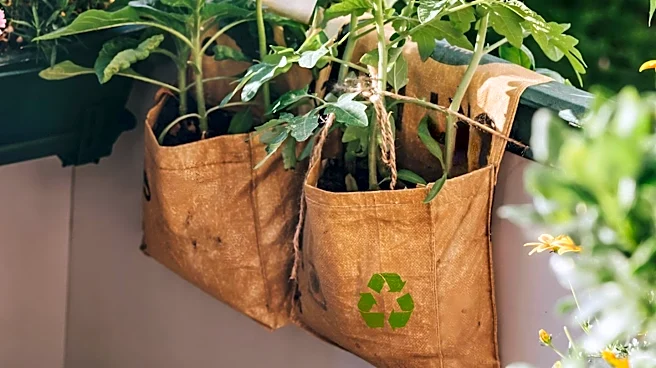
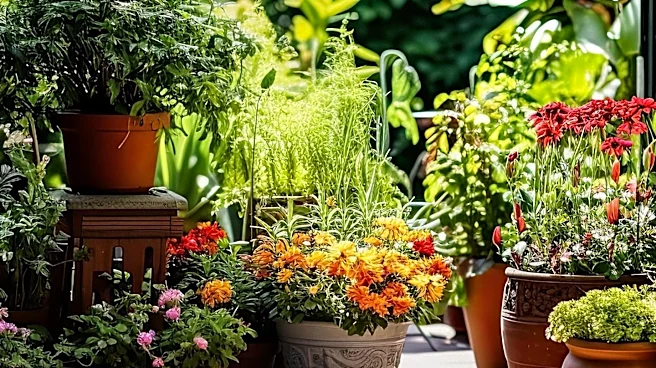
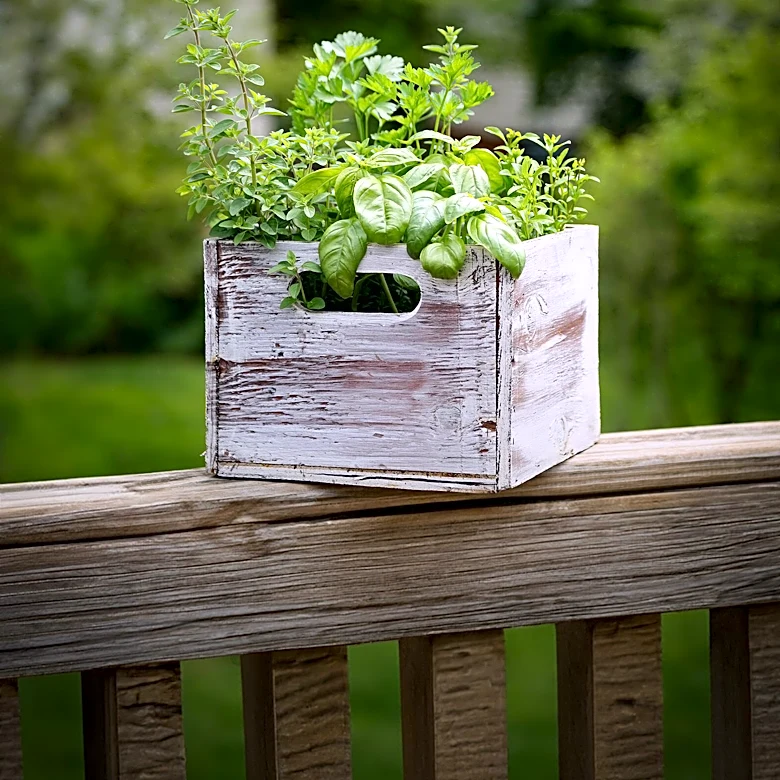
Container gardening provides an effective method for growing a diverse range of plants, including vegetables, herbs, flowers, and fruits, particularly in areas with limited space such as balconies, patios, or small yards. This gardening technique allows
individuals to cultivate plants in pots and other containers, offering flexibility in controlling soil conditions and relocating plants as needed. Popular choices for container gardens include lettuce, strawberries, garlic, rosemary, lemongrass, blueberries, tomatoes, and onions. Additionally, spring flowers like tulips can be grown in containers for aesthetic appeal and ease of movement. This approach is especially beneficial for novice gardeners, offering an accessible and manageable entry point into gardening with ergonomic and cost-effective methods. The practice also offers psychological and physical benefits, with studies indicating reduced stress levels and improved well-being from access to green spaces, including balcony gardens. Essential considerations for successful container gardening include understanding sun movement and shadow patterns, wind velocity, and the weight limits of structures like balconies. Selecting appropriate lightweight materials for containers and using a professional-grade soilless potting mix are crucial for optimal plant health and growth.
Why It's Important?
The rise of container gardening is significant for urban and suburban populations in the U.S. where traditional garden space is often scarce. This method democratizes gardening, making fresh produce and ornamental plants accessible to apartment dwellers, homeowners with small yards, and individuals with limited mobility. By enabling people to grow their own food, container gardening can contribute to food security and promote healthier eating habits within communities. It also offers a sustainable solution by allowing for precise control over soil quality and nutrient application, potentially reducing water waste and the need for chemical pesticides. The psychological benefits, such as stress reduction and improved well-being, are particularly relevant in today's fast-paced society, offering a tangible way for individuals to connect with nature and engage in a rewarding hobby. Furthermore, the ability to grow specific plant varieties, like dwarf tomatoes or compact peppers, tailored for container life, expands the possibilities for home cultivation, fostering a greater appreciation for horticulture and self-sufficiency.
What's Next?
As interest in sustainable living and urban gardening continues to grow, further innovations in container gardening techniques and products are anticipated. This may include the development of more efficient self-watering systems, advanced lightweight and durable container materials, and specialized potting mixes designed for various plant types. Educational initiatives and workshops on container gardening are likely to expand, providing more resources for beginners and experienced gardeners alike. There could also be an increase in the availability of dwarf and compact plant varieties specifically bred for container cultivation, offering greater yields and aesthetic appeal in limited spaces. Community-based projects, such as shared rooftop gardens or vertical gardening installations in urban centers, might become more prevalent, leveraging container gardening principles to create green spaces and foster community engagement. Additionally, research into the environmental impact of container gardening, including water conservation and carbon footprint reduction, may lead to more eco-friendly practices and products.
Beyond the Headlines
Beyond its immediate practical benefits, container gardening fosters a deeper connection between individuals and their food sources, potentially influencing consumer choices and promoting local food movements. This hands-on experience can lead to a greater understanding of agricultural processes and the challenges of food production, encouraging more sustainable consumption patterns. Ethically, it promotes self-reliance and resilience, empowering individuals to take an active role in their food supply. Culturally, container gardens can transform urban landscapes, adding greenery and beauty to otherwise sterile environments, and fostering a sense of community among gardeners. The practice also highlights the adaptability of nature and human ingenuity in overcoming spatial limitations. In the long term, widespread adoption of container gardening could contribute to urban biodiversity, support pollinator populations, and mitigate the urban heat island effect, creating more livable and sustainable cities. It also offers a therapeutic outlet, providing mental and emotional benefits that extend beyond the harvest.