



What's Happening?
BossAI has launched an advanced speech-to-text dictation system, enabling users to convert spoken words into written text across various devices, including iPhones, Android phones, Macs, and Windows PCs. This technology allows individuals to speak naturally,
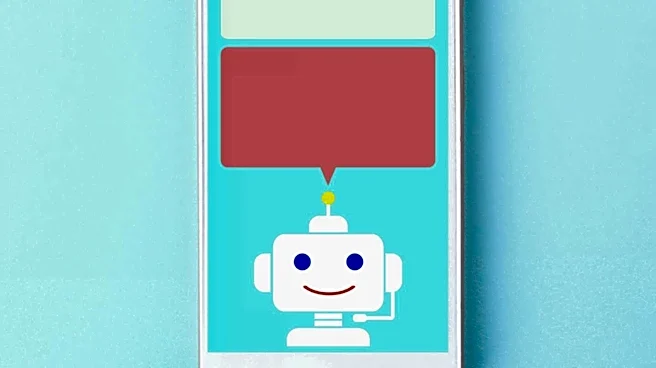
and the system transcribes their words into text fields, emails, notes, and documents. The core functionality involves capturing voice through a microphone, processing it with a speech recognition model, and then presenting the text. BossAI's system also incorporates features like filler-word removal, grammar correction, and punctuation addition to produce clean, readable text. The service supports 99 languages, ensuring broad accessibility for a global user base. For iPhone users, dictation is activated by tapping the microphone icon on the keyboard, while Mac and Windows users can utilize a hotkey. A free plan offers 500 words of dictation daily, with a Pro version available for unlimited use.
Why It's Important?
This development is significant for U.S. professionals and everyday users alike, as it streamlines communication and content creation. The ability to dictate emails, notes, and documents quickly can substantially boost productivity for individuals in various sectors, including legal, medical, and business, where extensive documentation is common. For those with repetitive strain injuries or other conditions that make typing painful, speech-to-text technology offers a crucial accessibility solution, enabling them to continue working and communicating effectively. The integration across multiple platforms ensures that users can maintain a consistent workflow regardless of their device. Furthermore, the inclusion of advanced text cleanup features means that the output is not just a raw transcript but polished, ready-to-use content, reducing the need for extensive manual editing and saving valuable time for U.S. workers.
What's Next?
BossAI is expected to continue refining its speech-to-text technology, potentially integrating more advanced AI capabilities for even greater accuracy and contextual understanding. Future updates might include enhanced customization options for punctuation and grammar rules, catering to specific professional writing styles. The company may also explore partnerships with other software providers to embed its dictation services directly into widely used applications, further simplifying the user experience. As more users adopt speech-to-text solutions, there could be a broader shift in how U.S. businesses and individuals approach digital communication and document creation, potentially leading to increased demand for hands-free input methods and further innovation in voice AI technologies.
Beyond the Headlines
The widespread adoption of sophisticated dictation tools like BossAI's could have deeper implications for digital literacy and communication norms in the U.S. It might encourage a more conversational style in written communication, as users become accustomed to speaking their thoughts directly into text. This shift could also impact educational settings, where dictation tools might be integrated to assist students with writing assignments or to support those with learning disabilities. On a broader societal level, the increasing reliance on AI for text generation raises questions about the future of typing skills and the potential for AI to influence linguistic patterns. The ethical considerations around data privacy and the security of spoken information processed by AI systems will also become increasingly important as these technologies become more ubiquitous.