







What's Happening?
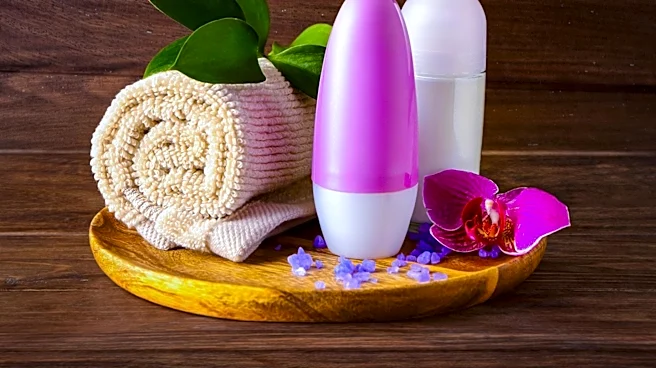
Ulta Beauty has highlighted several aluminum-free deodorants suitable for individuals with active lifestyles, focusing on odor control rather than wetness reduction. Among the recommendations are Lume Whole Body Deodorant Smooth Solid and House of Balance
Active Herbal Deodorant. Lume's product is designed for use across the entire body, including feet, thighs, and under the bust, utilizing a pH-optimized formula with mandelic acid. House of Balance offers an herbal roll-on with a Fresh Mint scent, incorporating ingredients like peppermint oil, lemongrass, eucalyptus, and aloe for a cooling sensation. Another featured product, Milk + Honey Extra Strength Deodorant, uses baking soda to neutralize odor and arrowroot powder for wetness absorption, complemented by organic coconut oil, lavender oil, and tea tree oil. These aluminum-free options are presented as alternatives for those who prioritize avoiding aluminum in their personal care products, acknowledging that they will not function as antiperspirants to reduce sweat.
Why It's Important?
The increasing consumer demand for 'clean' beauty products and aluminum-free alternatives in the U.S. personal care market is reflected in Ulta Beauty's recommendations. This trend indicates a shift in consumer preferences towards products with perceived natural or less chemically intensive ingredients. For businesses like Ulta, catering to this demand can enhance market share and brand loyalty among health-conscious consumers. The emphasis on whole-body deodorants also points to an evolving understanding of personal hygiene, extending odor control beyond traditional underarm application. This market segment, while not directly impacting major economic indicators, signifies a growing niche within the broader beauty and wellness industry, potentially influencing product development and marketing strategies for manufacturers and retailers alike. Consumers gain more choices that align with their ingredient preferences, though they must understand the functional differences between deodorants and antiperspirants.
What's Next?
The continued growth of the aluminum-free deodorant market is likely, with more brands potentially introducing similar products to meet consumer demand. Retailers like Ulta Beauty will likely expand their offerings in this category, providing a wider array of scents, formulations, and application methods. Consumers can expect to see further innovation in natural odor-controlling ingredients and whole-body solutions. Educational efforts may also increase to help consumers understand the distinctions between deodorants and antiperspirants, particularly regarding sweat reduction versus odor neutralization. As more individuals transition to aluminum-free options, there may be a greater focus on product efficacy and skin compatibility, leading to more sophisticated formulations designed to minimize irritation and maximize odor protection for various skin types and activity levels.
Beyond the Headlines
The movement towards aluminum-free deodorants is part of a larger cultural shift in the U.S. towards greater awareness of product ingredients and their potential health implications. This trend is driven by consumer research and a desire for more 'natural' or 'clean' living, even if scientific consensus on the risks of certain ingredients, like aluminum in antiperspirants, remains debated. This consumer behavior influences not only the beauty industry but also broader sectors like food and household products, pushing manufacturers to reformulate and transparently label ingredients. The rise of whole-body deodorants also reflects changing societal norms around body odor and personal freshness, moving towards a more comprehensive approach to hygiene. This evolution in consumer values and product development highlights a growing emphasis on holistic wellness and informed choices in daily routines.