


What's Happening?
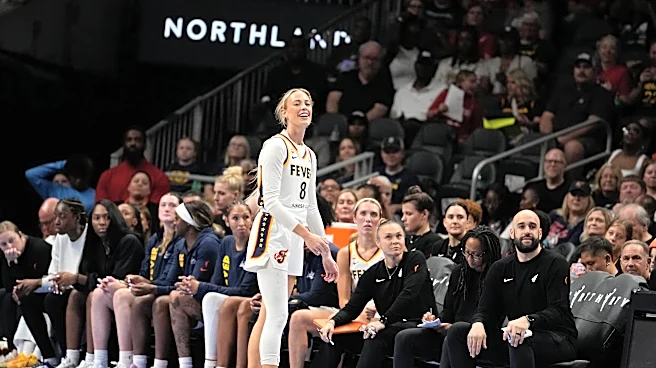
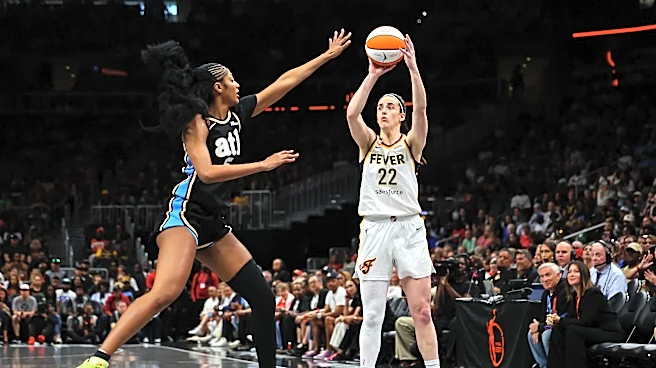
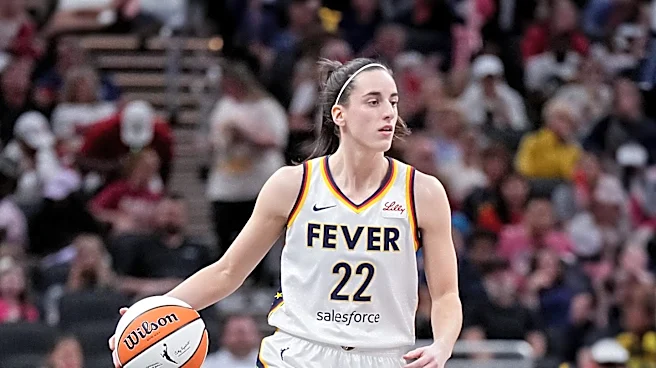
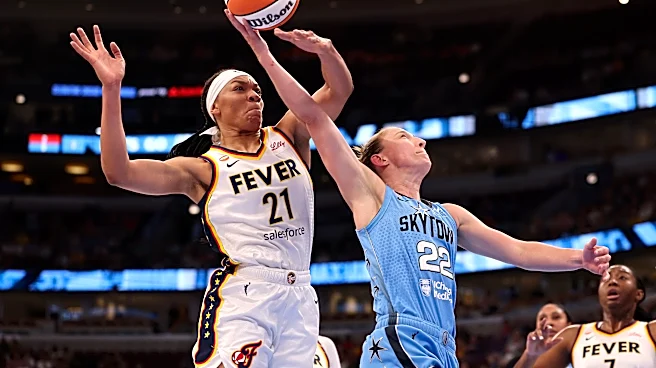
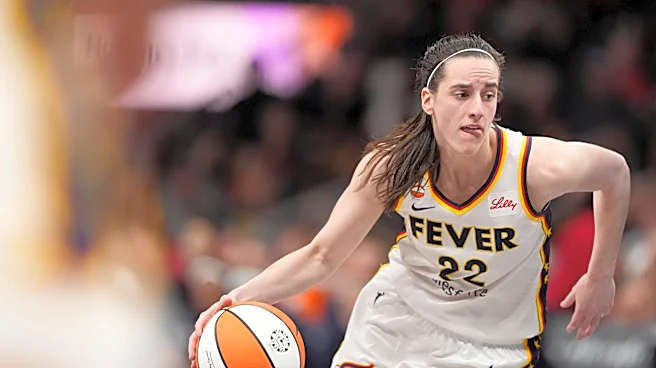
The WNBA has acknowledged that fans at a recent game between the Atlanta Dream and Indiana Fever were wrongly asked by league security to cover up shirts expressing views on transgender athletes. The league stated that this action 'should not have happened.'
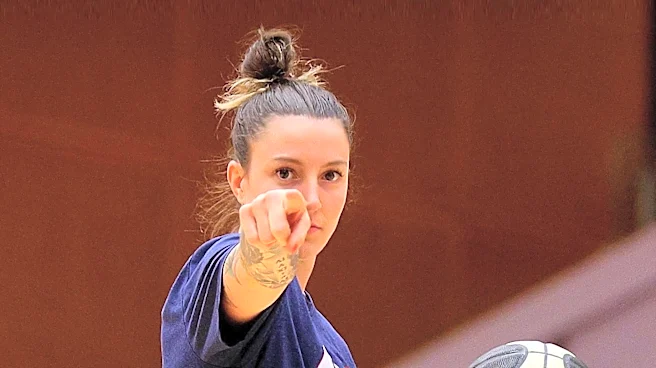
This incident follows a previous controversy where Seattle Storm co-owner Celeste Keaton was suspended for five home games and fined for verbally confronting teenage fans wearing shirts supporting Indiana Fever guard Sophie Cunningham, who had made public comments about protecting 'biological women' in sports. The WNBA has become a focal point for discussions surrounding transgender athletes, despite not having a transgender player or a public policy on their participation. The league's collective bargaining agreement specifies that 'only players who are women are eligible to play in the WNBA.' A task force has been convened by the WNBA to thoughtfully address these conversations, denouncing 'bad-faith efforts to use these topics to demean or marginalize others.'
Why It's Important?
This situation highlights the growing tension and public debate surrounding transgender athletes in professional sports, particularly within the WNBA. The league's response to both the fan incident and the co-owner's behavior indicates an attempt to navigate a complex social issue while maintaining an inclusive environment for all fans. The WNBA's statement that fans should not have been asked to cover their shirts suggests a commitment to freedom of expression, even on contentious topics, within the bounds of respectful discourse. The suspension of a team co-owner for confronting fans underscores the league's stance against harassment and its dedication to fan experience. The ongoing dialogue, fueled by player comments and fan reactions, could influence future league policies regarding fan conduct, player expression, and potentially, the broader discussion on transgender inclusion in sports. This also sets a precedent for how professional sports leagues manage social and political issues that intersect with their fan base and personnel.
What's Next?
The WNBA's recently convened task force is expected to continue its work in addressing the issue of transgender athletes and related fan interactions. This task force will likely develop guidelines or policies to prevent similar incidents and ensure a consistent approach across the league. The league's commitment to 'thoughtfully' approaching these conversations suggests that any future policies will be carefully considered, potentially involving input from various stakeholders. Fans, players, and team personnel will be watching closely to see how the WNBA balances freedom of expression with creating an inclusive and respectful environment. The ongoing public discourse may also prompt other sports organizations to review their own policies and approaches to similar social issues. The league's actions will be crucial in shaping its public image and its relationship with its diverse fan base.
Beyond the Headlines
The incidents within the WNBA reflect a broader societal struggle to reconcile differing views on gender identity and fairness in sports. The league's efforts to manage these controversies touch upon fundamental questions of free speech, inclusivity, and the role of professional sports in social commentary. The WNBA, known for its progressive stance on various social issues, is now at the forefront of a debate that challenges its core values. The involvement of team owners and players in these discussions underscores the personal and professional stakes involved. The league's navigation of these issues could serve as a model, or a cautionary tale, for other sports organizations grappling with similar challenges. The long-term implications could include shifts in how sports leagues define eligibility, manage fan interactions, and foster an environment that respects diverse perspectives while upholding principles of fair play and inclusion.