




What's Happening?
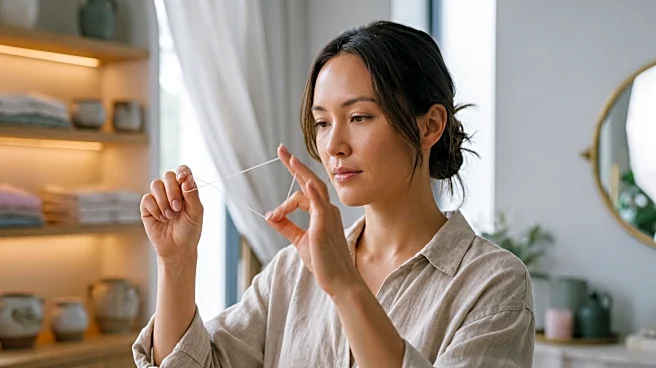
Threading, an ancient hair removal technique utilizing twisted cotton thread to pull hair from the follicle, is gaining popularity in the Greater Boston area, particularly for facial hair. This method is favored for its ability to create clean lines without
the use of chemicals or heat, often resulting in less skin irritation compared to waxing. Services offered include eyebrow threading for crisp arches and symmetry, lip threading for smooth finishes, chin threading for lasting smoothness, and forehead threading to create a smoother canvas for makeup. Additionally, side threading refines facial outlines, and neck threading cleans up hair along the jawline. Full face threading, covering multiple areas in one session, is also available for comprehensive grooming. Results typically last between two to six weeks, with recommendations for timing appointments a few days before events to allow any redness to subside.
Why It's Important?
The increasing preference for threading in the U.S., specifically in regions like Greater Boston, highlights a growing consumer demand for precise, less irritating, and chemical-free beauty treatments. This trend impacts the beauty and personal care industry by shifting consumer choices away from traditional methods like waxing, especially for sensitive facial areas. Businesses offering threading services stand to gain from this demand, while those solely relying on waxing may need to adapt their offerings. The emphasis on precision and minimal irritation caters to individuals seeking refined grooming with fewer adverse skin reactions, potentially influencing product development in the skincare market for pre- and post-threading care. This shift also underscores a broader cultural appreciation for ancient beauty practices that offer distinct advantages over modern alternatives.
What's Next?
As threading continues to gain traction, it is anticipated that more beauty salons and specialists across the U.S. will begin to offer or expand their threading services to meet consumer demand. Training programs for threading techniques may also see an increase in enrollment. Consumers can expect to see more specialized threading studios, particularly in urban and suburban areas, focusing on this precise method of hair removal. The competitive landscape within the beauty industry will likely evolve, with businesses differentiating themselves through the quality and range of their threading services. Furthermore, there may be an increased focus on developing gentle skincare products specifically designed to prepare the skin for threading and soothe it afterward, catering to the needs of individuals seeking minimal irritation.
Beyond the Headlines
The resurgence of threading in the U.S. reflects a deeper cultural and ethical shift in consumer preferences towards natural and traditional beauty practices. This trend moves beyond mere aesthetics, touching upon concerns about chemical exposure, skin sensitivity, and the desire for artisanal, precise craftsmanship in personal care. It also highlights a growing appreciation for diverse beauty traditions, as threading originates from ancient Eastern practices. The emphasis on minimal irritation and clean lines suggests a broader societal value placed on subtle, refined grooming rather than aggressive or harsh treatments. This could lead to a re-evaluation of beauty standards, favoring techniques that prioritize skin health and natural appearance, potentially influencing other sectors of the beauty industry to adopt more gentle and traditional approaches.